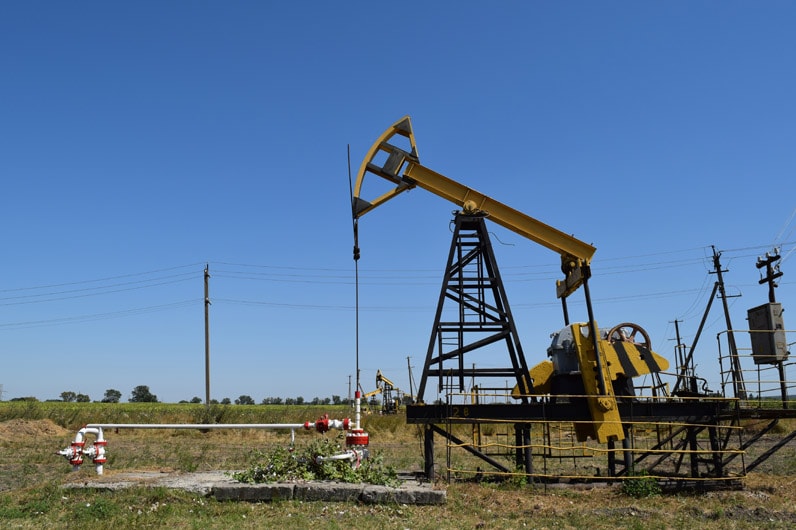
Oil wells are not permanent.
A well may produce for five years, twenty years, or several decades, but eventually the day comes when keeping it in operation no longer makes sense.
The obvious question is: what happens next?
You might imagine that the company simply removes the pumpjack, caps the pipe, and walks away.
The real process is considerably more involved.
An oil or gas well creates a physical connection between deep underground formations and the surface. When that connection is no longer needed, it has to be permanently sealed to prevent oil, natural gas, saltwater, or other formation fluids from moving where they shouldn’t.
This process is generally known as plugging and abandonment, often shortened to P&A.
Here is what actually happens.
Why Are Oil Wells Abandoned?
A well doesn’t have to be completely empty before it is abandoned.
In fact, oil may still remain in the reservoir.
The more important question is whether that oil can be produced economically.
Imagine an older well producing only a few barrels of oil per day while also producing large volumes of water.
The operator still has to pay for electricity, maintenance, inspections, water handling, chemicals, repairs, and other operating expenses.
Eventually, producing those few barrels can cost more than they’re worth.
At that point, continued production no longer makes economic sense.
Other reasons for abandonment can include depleted reserves, serious mechanical problems, changes in field development plans, regulatory requirements, or conversion of the well to another purpose.
First, the Well Is Taken Out of Production
Before permanent abandonment begins, production equipment is shut down and the well is secured.
Depending on the type of well, surface equipment might include a pumpjack, wellhead, flowlines, tanks, separators, chemical systems, or artificial lift equipment.
The operator also needs to understand the condition of the well before deciding exactly how it should be plugged.
That means reviewing information such as well depth, casing design, producing formations, cement records, pressure history, and known mechanical problems.
A 700 metre conventional well and a 4,000 metre horizontal well are very different abandonment projects.
What Does It Mean to “Plug” a Well?
Plugging doesn’t mean placing a cap over the top.
The important work happens underground.
Oil and gas wells contain multiple layers of steel casing and cement. These structures pass through different geological formations before reaching the reservoir.
During abandonment, barriers are installed at carefully selected depths to prevent fluids from moving vertically through the well.
Cement is one of the most important materials used for this purpose.
Rather than filling the entire well from bottom to top with cement, operators normally place cement plugs and other barriers at specific locations based on the well design and applicable regulations.
The objective is to permanently isolate formations from one another and from the surface.
Why Is Cement So Important?
Consider what the well originally did.
Before drilling, layers of rock naturally separated underground oil, gas, saltwater, and freshwater.
Drilling created a pathway through those layers.
During abandonment, the operator needs to restore effective isolation.
Properly placed cement barriers help prevent fluids from using the old wellbore as a migration path.
This is especially important where the well passes through groundwater formations.
What Happens to the Steel Casing?
A common misconception is that all of the steel pipe is pulled out of the ground.
Usually, much of the casing remains permanently underground.
Depending on the abandonment program, some tubing and casing may be removed, while other sections remain cemented in place.
Near the surface, the casing is generally cut below ground level according to local requirements.
The remaining well is then permanently sealed.
Once reclamation is complete, someone walking across the property may have no idea that an oil well once existed there.
What Happens to the Pumpjack?
Pumpjacks are surface equipment, so they can usually be removed and reused.
A pumpjack you see operating today may have spent part of its life on another well.
Other reusable equipment may also be removed, including tanks, separators, electric motors, pumps, valves, and instrumentation.
Equipment that is still in good condition can be refurbished and installed elsewhere.
What Happens to Flowlines?
Oil wells rarely operate alone.
Small pipelines connect wells to tanks, batteries, processing facilities, or gathering systems.
When a well is permanently abandoned, associated lines also have to be addressed.
Depending on regulations and site conditions, lines may be removed or cleaned, isolated, and abandoned in place.
Simply disconnecting a pipeline and forgetting about it isn’t acceptable abandonment practice.
The Surface Site Has to Be Reclaimed
Plugging the underground well is only part of the job.
During its operating life, a well site may have included access roads, gravel pads, tanks, pipelines, electrical equipment, fencing, and other infrastructure.
Once those facilities are no longer required, reclamation begins.
This can involve removing equipment, cleaning contaminated soil where necessary, restoring drainage, replacing topsoil, grading the land, and establishing vegetation.
The objective is to return the land to an appropriate condition for its future use.
On agricultural land, that may mean returning the site to crop production.
In natural areas, it may involve restoring native vegetation.
What’s an Orphan Well?
An orphan well is different from a normally abandoned well.
Generally speaking, an orphan well is one for which a responsible operator is no longer available or financially capable of completing the required closure work.
This can happen when companies become insolvent or when ownership records for very old wells become complicated.
Orphan wells have become a significant issue in several mature oil producing regions because somebody still has to pay for proper abandonment and reclamation.
Governments and industry funded programs may ultimately become responsible for that work.
Are Abandoned Wells Dangerous?
A properly plugged and abandoned well is designed to remain permanently isolated.
Problems are more likely with very old wells that were abandoned using historical practices that don’t meet modern standards, or wells that were never properly abandoned at all.
Potential issues can include gas migration, fluid movement, groundwater impacts, or leakage at the surface.
This is why regulators establish requirements for well abandonment and why operators document where barriers are installed.
Can an Abandoned Well Ever Be Used Again?
There is an important distinction between a shut in well and a permanently abandoned well.
A shut in well has temporarily stopped producing but remains available for possible future use.
This may happen because of low commodity prices, equipment problems, pipeline constraints, or plans for future field development.
A permanently plugged and abandoned well is different.
Once permanent barriers have been installed and the site has been reclaimed, bringing that exact well back into production would generally be impractical. If the reservoir becomes attractive again, drilling a new well is usually the more realistic option.
Why Not Leave Old Wells in Place Forever?
Keeping an inactive well sounds inexpensive, but inactive wells still create liabilities.
They may require inspections, maintenance, regulatory reporting, lease payments, and monitoring.
Equipment also deteriorates with age.
Eventually, postponing abandonment can make the work more difficult and expensive.
This is why responsible lifecycle planning considers abandonment costs long before a well reaches the end of production.
How Much Does It Cost to Abandon an Oil Well?
There is no single number.
A relatively shallow conventional well with good access may be straightforward to abandon.
A deep offshore well is an entirely different project.
Cost depends on factors including depth, well design, location, condition, number of barriers required, availability of service equipment, environmental work, and surface reclamation.
Difficult wells can require extensive intervention before permanent barriers can even be installed.
For operators with thousands of mature wells, abandonment obligations can therefore represent a major long term financial liability.
Offshore Well Abandonment Is Even More Complicated
Everything becomes more difficult offshore.
Crews may need specialized vessels or drilling rigs to access the well.
Subsea equipment has to be removed or managed according to the approved abandonment plan.
Permanent barriers still have to isolate the underground formations, but the work may take place beneath hundreds or thousands of metres of water.
This makes offshore decommissioning one of the most technically demanding and expensive parts of the petroleum industry.
What Happens to an Entire Oil Field?
Eventually, individual well abandonment becomes field abandonment.
When a field reaches the end of its economic life, operators may have to remove processing facilities, pipelines, storage equipment, power systems, roads, and other infrastructure.
Offshore, this can involve decommissioning platforms weighing thousands of tonnes.
In other words, producing the last barrel of oil doesn’t mean the project is finished.
Years of closure work may still remain.
A Well’s Life Is Much Longer Than Its Production History
It’s easy to think of an oil well only in terms of the years when it produces oil.
Its actual lifecycle is much longer.
A typical well passes through exploration, drilling, completion, production, maintenance, declining production, abandonment, and finally reclamation.
Planning for the final stages is just as important as planning how to drill the well in the first place.
Final Thoughts
Oil wells don’t simply disappear when they stop making money.
Ending production begins another engineering project.
The underground well has to be isolated. Equipment has to be removed. Associated infrastructure has to be dealt with. The surface has to be reclaimed. And the work must be documented so future generations know exactly what remains underground.
When done properly, very little may be visible at the surface once the work is finished.
That is ultimately the objective.
A well that may have produced oil for decades reaches the end of its useful life, is permanently isolated, and the land moves on to its next use.
Frequently Asked Questions
Is an abandoned oil well completely empty?
No. Significant quantities of oil or gas may remain underground. Wells are usually abandoned because continued production is no longer practical or economic, not because every hydrocarbon molecule has been removed.
Do companies fill abandoned oil wells completely with cement?
Not necessarily. Cement barriers are generally placed at specific locations required to isolate underground formations and prevent fluid migration.
What happens to old pumpjacks?
Pumpjacks and other usable surface equipment can often be removed, refurbished, and installed on other wells.
What is the difference between a shut in well and an abandoned well?
A shut in well is temporarily out of production and may operate again. A permanently abandoned well has been plugged with barriers intended to isolate it for the long term.
Who pays to abandon an oil well?
The responsible operator is generally expected to pay for abandonment and reclamation. When no responsible operator remains, the well may become an orphan and fall under an industry or government managed orphan well program.