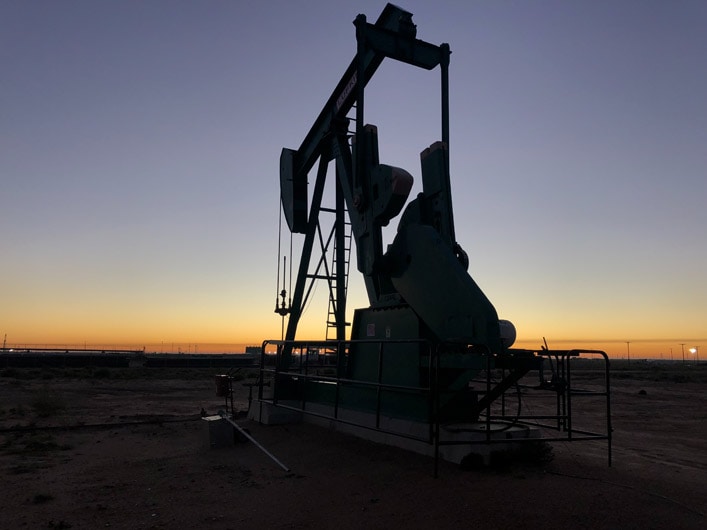
You want to work in the oilfield, but you have never worked around an oil well.
You do not know how to operate drilling equipment.
You have never worked on a hydraulic fracturing crew.
You do not have an engineering degree.
And every job advertisement seems to ask for experience you do not have.
So where do you actually start?
The oil and gas industry employs thousands of workers in jobs that do not require previous oilfield experience.
Some positions involve working directly on drilling rigs.
Others involve operating equipment, handling hoses, maintaining machinery, cleaning industrial facilities, transporting materials, or assisting experienced technicians.
Many people who eventually become supervisors, equipment operators, drilling personnel, and technical specialists begin in these positions.
However, not every job advertised as entry level is suitable for someone with absolutely no experience.
Some employers will train you from the beginning.
Others require a commercial driver’s licence, mechanical experience, industrial safety training, or previous construction work.
Understanding those differences can save you a lot of unsuccessful applications.
Here are 20 common entry level and trainee oilfield jobs, what workers actually do, what employers may require, and which career paths they can lead to.
1. Drilling Rig Leasehand
A leasehand is one of the traditional starting positions on a drilling rig.
The job involves helping keep the drilling location organized, clean, and ready for operations.
You may assist with general maintenance, material handling, housekeeping, equipment preparation, and other duties assigned by the rig crew.
The work takes place outdoors and can be physically demanding.
Drilling operations commonly continue around the clock, so workers may perform long shifts in difficult weather conditions.
Can you start without experience?
Yes. Leasehand is a recognized entry position on certain drilling rigs.
However, not every drilling crew employs a leasehand. Some companies start new workers directly as floorhands.
Who is this job best for?
Someone who is physically capable, comfortable working outdoors, and interested in building a drilling career.
Where can it lead?
A leasehand may progress to floorhand and eventually to more senior rig positions as skills and experience develop.
2. Drilling Rig Floorhand
A floorhand works directly with the drilling crew.
The position involves handling drilling equipment, assisting with pipe handling operations, maintaining the rig floor, and helping other crew members.
Floorhands also assist with equipment cleaning, inspections, and routine maintenance.
It is physically demanding work around heavy machinery and moving equipment.
Safety awareness and the ability to follow instructions are essential.
Can you start without experience?
Yes. Some drilling contractors hire inexperienced applicants directly into floorhand positions and provide training.
A high school education can be helpful, but employer requirements vary.
Who is this job best for?
Someone who wants a long term career in drilling and is prepared for demanding outdoor work.
Where can it lead?
An experienced floorhand can progress toward motorhand, derrickhand, driller, and eventually rig management.
These advancements require substantial experience and additional training.
3. Service Rig Floorhand
Service rigs perform work on existing oil and gas wells.
Unlike drilling rigs, which are primarily used to construct wells, service rigs perform activities such as repairing wells, replacing downhole equipment, and supporting certain completion or intervention operations.
A service rig floorhand assists the crew with handling rods, tubing, tools, and other equipment.
The job may involve setting up and taking down equipment at different wellsites.
You may travel frequently between locations.
Can you start without experience?
Yes, some contractors hire trainees.
However, certain service rig positions require a Class 1 or Class 3 driver’s licence because employees may need to drive commercial equipment.
Check each advertisement carefully.
Who is this job best for?
Someone interested in learning how producing wells are maintained and repaired.
Where can it lead?
You can gain experience toward more senior service rig positions or use the background to pursue other well intervention and field service opportunities.
4. Hydraulic Fracturing Operator in Training
Hydraulic fracturing companies use large amounts of specialized equipment to stimulate oil and natural gas wells.
The operation involves high pressure pumps, blending equipment, water systems, sand handling equipment, and other machinery.
A new employee may begin as an operator in training.
Early responsibilities commonly involve preparing equipment, assisting experienced operators, learning inspections, helping with maintenance, and supporting field operations.
You will not be expected to independently operate complicated high pressure systems on your first day.
The company should provide the appropriate training and supervision.
Can you start without experience?
Yes. Some fracturing companies have formal operator training programs.
Certain employers also offer a pathway toward obtaining a Class 1 commercial driver’s licence.
Others expect you to already hold a suitable licence.
Who is this job best for?
Someone who enjoys large machinery, mechanical systems, teamwork, and learning technical equipment.
Where can it lead?
Equipment operator, senior operator, field supervisor, maintenance specialist, or other pressure pumping positions.
For someone with the appropriate engineering education, the experience may also support future technical and engineering opportunities.
5. Cementing Operator Assistant
Cementing crews help place cement in oil and gas wells.
The cement is used for purposes such as supporting casing, establishing zonal isolation, and maintaining well integrity.
The work involves specialized pumping and mixing equipment.
A new assistant may help prepare materials, inspect equipment, maintain the work area, support equipment setup, and learn operating procedures.
The work can involve irregular hours because cementing operations must be coordinated with drilling and well construction activities.
Can you start without experience?
Some cementing companies offer trainee positions.
But many operator roles require commercial driving qualifications.
An assistant position may have different requirements from a position responsible for driving and operating a cementing unit.
Who is this job best for?
Someone mechanically inclined who enjoys field operations and wants to develop specialized equipment knowledge.
Where can it lead?
Cementing equipment operator, senior operator, supervisor, technical specialist, or related well construction services.
6. Coiled Tubing Assistant or Swamper
Coiled tubing companies use long continuous lengths of metal tubing for well intervention and completion operations.
The tubing is stored on a large reel and moved into or out of a well through specialized equipment.
A coiled tubing assistant helps experienced crews prepare equipment, handle approved tools and materials, inspect components, and maintain the worksite.
Coiled tubing operations can involve substantial well pressure and complicated equipment.
New employees must work under appropriate supervision.
Can you start without experience?
Some companies hire assistant or swamper positions without previous coiled tubing experience.
Other roles require commercial driving qualifications or related oilfield experience.
Who is this job best for?
Someone who wants to learn specialized well intervention equipment and is comfortable with technical, safety critical work.
Where can it lead?
Coiled tubing operator, senior operator, supervisor, equipment specialist, or technical support positions.
7. Wireline Operator Assistant
Wireline crews use specialized cables and tools to perform operations inside oil and gas wells.
Depending on the service, the work may involve well logging, depth correlation, perforating, or other downhole operations.
An assistant may prepare equipment, help maintain the work area, organize tools, inspect cables, and support qualified crew members.
Wireline operations can involve electrical systems, high pressure equipment, and, for certain services, explosives.
These activities require specific training and authorization.
Can you start without experience?
Some companies hire wireline assistants or operator trainees.
Requirements differ substantially between basic support positions and jobs involving specialized equipment.
Who is this job best for?
Someone who enjoys mechanical and technical work and wants to learn specialized downhole equipment.
Where can it lead?
Wireline operator, senior operator, logging specialist, equipment technician, or technical service roles.
8. Well Testing or Flowback Assistant
After certain well completion operations, the well may need to be tested or cleaned up before normal production begins.
Well testing and flowback crews help manage and measure the fluids returning from the well.
Equipment can include separators, tanks, manifolds, meters, and temporary piping.
An entry level assistant may help prepare equipment, complete basic inspections, maintain the work area, and support trained operators.
Workers may also help record operating information under supervision.
Because the equipment handles pressurized hydrocarbons, safety training and strict procedures are essential.
Can you start without experience?
Some employers hire trainees.
Mechanical experience, basic instrumentation knowledge, and a willingness to travel can be advantages.
Who is this job best for?
Someone interested in production equipment, separators, pressure measurement, and eventually becoming a more technical operator.
Where can it lead?
Well testing operator, flowback supervisor, production testing specialist, or other field operations work.
9. Water Transfer Labourer
Hydraulic fracturing operations can require substantial quantities of water.
Water transfer crews help move that water between approved sources, storage areas, and operating locations.
The equipment may include temporary pipelines, hoses, pumps, manifolds, and storage systems.
An entry level worker may help move hoses, prepare equipment, inspect work areas, monitor assigned tasks under supervision, and assist with setup and removal.
The work often requires travel and physical activity.
Can you start without experience?
Yes. Some water transfer companies hire general labourers and train them on the job.
Who is this job best for?
Someone with construction, farming, landscaping, or general outdoor labour experience.
Where can it lead?
Pump operator, crew lead, water transfer supervisor, or related field service positions.
10. Hydrovac Swamper
Hydrovac trucks use pressurized water and vacuum equipment to excavate soil and expose underground infrastructure.
These services are widely used around pipelines, industrial construction, utilities, and energy facilities.
A swamper assists the qualified truck operator.
The work can involve handling hoses, assisting with equipment preparation, keeping the work area organized, and performing other duties under supervision.
Hydrovac work can be physically demanding and may involve cold weather, mud, and long shifts.
Can you start without experience?
Yes. Swamper jobs can provide an entry point for workers without prior oilfield experience.
The driver or primary truck operator usually needs additional qualifications.
Who is this job best for?
Someone comfortable with outdoor construction and physically active work.
Where can it lead?
With appropriate licensing and training, workers may progress toward hydrovac operator or other specialized industrial equipment roles.
11. Vacuum Truck Swamper
Vacuum trucks are used to move liquids, sludges, and other materials during oilfield and industrial operations.
A vacuum truck swamper assists the driver and operator.
Depending on the job, duties may involve handling hoses, preparing the worksite, cleaning equipment, and helping with safe equipment positioning.
The materials being transferred can involve hazardous substances, including hydrocarbons and potentially toxic gases.
That makes proper training especially important.
Can you start without experience?
Some companies hire swampers without previous oilfield experience.
A commercial licence may be required for later advancement into driving and operating certain trucks.
Who is this job best for?
Someone who wants a practical route into oilfield trucking and industrial field services.
Where can it lead?
Vacuum truck operator, specialized truck driver, field services supervisor, or other industrial cleaning and transportation work.
12. Industrial Cleaning Labourer
Refineries, gas plants, oil sands facilities, and other industrial operations require cleaning and maintenance.
Industrial cleaning companies provide services during normal operations and major shutdowns.
Entry level employees may assist with equipment preparation, general cleaning, material handling, and housekeeping.
Some work takes place around tanks, vessels, piping, and industrial equipment.
Specialized activities such as high pressure water jetting and confined space entry require specific training, controls, and qualified supervision.
A new labourer should not be expected to perform hazardous specialized work without the required competency.
Can you start without experience?
Yes. Some industrial cleaning companies hire and train entry level employees.
Who is this job best for?
Someone who wants industrial plant exposure and can handle physically demanding work.
Where can it lead?
Specialized cleaning equipment operator, industrial services technician, supervisor, or other maintenance support positions.
13. Pipeline Construction Labourer
Oil and gas pipelines require construction crews to prepare access routes, support excavation, handle materials, and assist qualified tradespeople and equipment operators.
A general pipeline labourer may perform a variety of support tasks.
The job can involve outdoor work, changing locations, and substantial physical activity.
Pipeline construction is often project based.
Workers may need to travel as the project progresses.
Can you start without experience?
Yes. General labour positions may accept applicants without previous pipeline experience.
Construction and equipment experience are useful advantages.
Who is this job best for?
Someone who likes outdoor construction and is prepared to travel between projects.
Where can it lead?
Equipment operation, pipeline construction supervision, skilled trades apprenticeships, or specialized construction support.
14. Oilfield Equipment Yard Hand
This is one of the most overlooked entry level positions.
Oilfield service companies maintain yards and shops where equipment is stored, inspected, cleaned, repaired, and prepared for field operations.
A yard hand may assist with cleaning equipment, organizing materials, basic inventory tasks, tool preparation, and general maintenance under supervision.
Some jobs involve helping load and unload equipment using approved methods.
You may not spend your first months working directly at a wellsite.
But you can learn the equipment and terminology used by the field crews.
Can you start without experience?
Yes. Some equipment yards hire workers with general labour, warehouse, or mechanical backgrounds.
Who is this job best for?
Someone who wants to enter the industry without immediately committing to long remote rotations.
Where can it lead?
Field equipment operator, shop technician, equipment maintenance, logistics, or inventory positions.
15. Mechanical Shop Helper
Oilfield equipment requires regular maintenance.
Service companies maintain pumps, engines, trucks, hydraulic systems, trailers, and other machinery.
A shop helper works alongside mechanics and technicians.
Tasks may involve cleaning parts, preparing tools, moving materials, organizing the shop, and helping with supervised maintenance work.
This can be a useful introduction to industrial mechanical systems.
However, a helper is not automatically qualified to repair safety critical equipment independently.
Can you start without experience?
Some employers offer junior helper positions.
Previous experience with tools, vehicles, farming equipment, or mechanical work can help.
Who is this job best for?
Someone who enjoys fixing equipment and may eventually want to enter a skilled trade.
Where can it lead?
An appropriate apprenticeship, mechanical technician work, equipment maintenance, or a specialist service role.
16. Oilfield Parts or Warehouse Assistant
Oilfield operations depend on spare parts, tools, chemicals, components, and replacement equipment being available at the right time.
Warehouses and equipment supply companies help keep field operations running.
An entry level worker may receive materials, organize inventory, prepare orders, check shipping information, and help maintain accurate records.
Depending on the employer, forklift training or other equipment certification may be required.
This is not a traditional wellsite position.
But it can provide experience with oilfield equipment, suppliers, and operations.
Can you start without experience?
Yes. Some employers hire applicants with general warehouse or retail inventory backgrounds.
Who is this job best for?
Someone who prefers organized indoor work or wants an introduction to oil and gas logistics.
Where can it lead?
Materials coordinator, inventory specialist, purchasing assistant, logistics coordinator, or other supply chain positions.
17. Environmental Field Assistant
Oil and gas companies use environmental contractors for monitoring, sampling, reclamation, and other field activities.
A junior environmental field assistant may help qualified technicians collect samples, document observations, organize equipment, and support approved field procedures.
The work can involve travel to remote locations.
Some positions require a science diploma or related education.
Others provide assistant opportunities for people with strong outdoor experience.
Can you start without experience?
Sometimes, but this is not universally an unskilled entry position.
Review the education requirements carefully.
Who is this job best for?
Someone interested in environmental work, land restoration, field sampling, and regulatory compliance.
Where can it lead?
Environmental technician, reclamation specialist, sampling coordinator, or further technical education.
18. Nondestructive Testing Assistant
Oil and gas facilities require inspections of piping, welds, vessels, and other equipment.
Nondestructive testing allows qualified inspectors to examine components without unnecessarily damaging them.
An inspection assistant may help prepare equipment, organize materials, document information, and support certified technicians.
The actual testing methods require appropriate qualifications, training, and authorization.
Some methods involve significant hazards, including radiation.
An entry level assistant must operate within their training and supervision.
Can you start without experience?
Certain inspection companies hire assistants or trainees.
Other roles require formal technical education or certification.
Who is this job best for?
Someone interested in technical inspection, measurements, materials, and quality control.
Where can it lead?
With the appropriate training, experience, and certification, a worker can pursue specialized inspection methods and more advanced inspection careers.
19. Plant Maintenance Helper
Refineries, gas plants, terminals, and production facilities depend on maintenance personnel.
Contractors may hire helpers to assist with general maintenance support, equipment preparation, housekeeping, material handling, and other assigned work.
Some positions support skilled trades during large maintenance projects.
You may work around pumps, compressors, valves, piping, and other industrial equipment.
A maintenance helper is not the same as a qualified process operator or journeyperson tradesperson.
Can you start without experience?
Some maintenance contractors hire general labourers and helpers.
Direct operator positions at plants often have more demanding experience or education requirements.
Who is this job best for?
Someone who eventually wants to learn industrial maintenance or pursue a trade.
Where can it lead?
An apprenticeship, industrial maintenance position, or further technical training.
20. Seismic Field Labourer
Before drilling, companies may conduct geophysical surveys to gather information about underground geological formations.
Seismic field crews can include workers supporting the placement, collection, and handling of survey equipment.
The work often involves walking outdoors, carrying equipment, and travelling through rural or remote areas.
Modern survey methods and staffing requirements vary.
Some jobs are seasonal or tied to specific exploration programs.
Can you start without experience?
Some survey contractors hire field labourers without previous oilfield experience.
The work can require good physical conditioning and a willingness to travel.
Who is this job best for?
Someone who enjoys outdoor field work and wants experience supporting oil and gas exploration.
Where can it lead?
Survey crew positions, field supervision, logistics, geophysical support, or related outdoor technical careers.
Which Entry Level Oilfield Jobs Are Easiest to Get Without Experience?
There is no guaranteed easiest job.
Hiring depends on the region, season, employer, and number of available applicants.
However, someone with little industrial experience may find it useful to begin searching for:
- Drilling rig leasehand.
- Drilling rig floorhand.
- Hydrovac swamper.
- Vacuum truck swamper.
- Industrial cleaning labourer.
- Pipeline construction labourer.
- Equipment yard hand.
- Shop helper.
- Water transfer labourer.
- General warehouse assistant.
These jobs can involve training on the job rather than requiring years of previous petroleum experience.
But some employers still expect a valid driver’s licence, certain safety certificates, or related work experience.
Entry level does not mean there are no requirements.
Which Entry Level Jobs Have the Best Long Term Career Potential?
That depends on the skills you want to develop.
If you want a drilling career, starting as a floorhand can provide a recognized progression through the rig crew.
If you want to operate sophisticated equipment, a formal pressure pumping operator training program may be attractive.
If you want specialized well intervention experience, wireline, coiled tubing, and well testing can provide valuable technical exposure.
If you want a recognized skilled trade, mechanical shop work or industrial maintenance support may provide a useful starting point before entering an apprenticeship.
If you prefer office and logistics work, an oilfield warehouse or materials position can introduce you to the industry’s supply chain.
Think about the second and third jobs you might want, not only the first one.
Which Jobs Are Most Physically Demanding?
Drilling rig floorhands, service rig floorhands, pipeline labourers, industrial cleaning workers, and certain swampers can perform substantial physical work.
Long shifts make that work more challenging.
Cold weather adds another layer of difficulty.
You may be handling equipment, walking on uneven ground, climbing approved access structures, and remaining active for much of the shift.
Physical ability is important, but working safely matters more than trying to prove you can lift everything.
Use proper lifting methods and mechanical assistance when required.
Do not attempt tasks outside your training.
Which Entry Level Jobs Are Best for Someone With Mechanical Experience?
Consider equipment operator training, cementing assistants, coiled tubing assistants, shop helpers, and field equipment support roles.
Experience with engines, hydraulics, pumps, or heavy machinery can make you a more attractive candidate.
For example, someone who has spent several years maintaining farm equipment may have a useful background for a service company.
The equipment will be different.
But basic mechanical knowledge transfers.
Make that experience visible on your resume.
Which Jobs Are Best if You Have a Class 1 or Class 3 Licence?
Commercial driving qualifications can open additional doors.
Some service companies need workers who can both drive large equipment and perform field operations.
Potential opportunities include fracturing, cementing, coiled tubing, vacuum trucks, service rigs, and other specialized services.
However, the appropriate licence class depends on the vehicle and job.
A Class 1 or Class 3 licence does not automatically qualify you to operate specialized oilfield equipment.
You still need the required training.
For people who already have commercial driving experience, these positions may provide a direct route into oil and gas.
Do You Need a Class 1 Licence for Every Oilfield Job?
No.
Many entry level jobs do not require a commercial driver’s licence.
Some employers only require a standard driver’s licence.
Others require a particular commercial class.
For example, a drilling floorhand and a cementing truck operator may have very different driving requirements.
Do not spend thousands of dollars obtaining a commercial licence unless it supports the type of work you actually want.
That said, a commercial licence can be a valuable long term qualification for someone interested in field services and equipment operation.
What Safety Tickets Do You Need?
Requirements differ by job and employer.
In Alberta, H2S Alive and workplace First Aid with CPR are commonly requested for certain drilling and service rig positions.
Other positions may require training involving WHMIS, Transportation of Dangerous Goods, fall protection, confined space entry, or site specific hazards.
Some employers provide portions of this training after hiring.
Do not assume every oilfield worker needs the same certificates.
Start by reading actual job postings in your chosen field.
Identify the most common requirements.
Then obtain the training relevant to those positions.
Can You Start in Oil and Gas With Only a Class 5 Licence?
Yes.
Some labour, shop, yard, and field assistant positions accept applicants with a standard driver’s licence.
Others may require a commercial licence.
A clean driving record can be important because companies may need employees to operate approved vehicles.
Even if you are not driving commercial equipment, employers may require reliable transportation to a shop or designated reporting location.
A Class 5 licence can be enough for some jobs, but not all.
Do You Need to Own a Pickup Truck?
No.
Some workers drive ordinary cars to the company shop.
Others drive to an airport or bus pickup location.
The employer then provides transportation to the worksite.
For other positions, workers may be required to travel to remote locations independently.
Ask where you are expected to report and whether the employer provides a field vehicle.
Do not buy an expensive pickup simply because you want an oilfield job.
Understand the transportation arrangement first.
Do Entry Level Oilfield Jobs Include Camp?
Some do.
Remote drilling, completion, construction, and maintenance projects may provide camp accommodation.
Other jobs require workers to stay in hotels.
Some companies provide living out allowance.
Others expect employees to live close enough to commute to the shop each day.
A company may also offer different arrangements depending on the project.
Never assume camp is included.
Ask about accommodation, meals, transportation, and any personal travel expenses before accepting the position.
Do Beginners Get Fly In Fly Out Schedules?
Some entry level workers receive rotational transportation arrangements.
But fly in fly out is not guaranteed.
A company may provide flights from Edmonton or Calgary to a remote project.
Another may require you to drive to Grande Prairie or Red Deer before joining the crew.
Some employers hire only people who live locally.
The advertised rotation and the transportation arrangements should be treated as separate questions.
A job providing fourteen days off does not automatically mean the company pays for flights.
How Much Do Entry Level Oilfield Jobs Pay?
Pay varies substantially.
A general shop helper or swamper may earn considerably less per hour than certain drilling or specialized field service positions.
Some field jobs provide overtime, job bonuses, allowances, or other compensation.
Others offer stable wages with fewer scheduled hours.
The annual amount depends on more than hourly pay.
For example, consider two hypothetical positions.
Job A pays $25 per hour for an average of forty paid hours per week.
Job B pays $30 per hour but offers irregular work depending on project activity.
Job B may generate greater income during busy periods.
But the worker may have little income between assignments.
Likewise, a higher paying rotational job may involve travel costs and extended time away from home.
Compare realistic annual earnings, not simply the most impressive hourly rate.
Does Working Twelve Hour Shifts Mean You Get Overtime Every Day?
Not automatically.
Overtime rules depend on the applicable employment legislation, occupation, collective agreement, and scheduling arrangements.
Certain employers use legally permitted averaging arrangements.
Some oilfield occupations may also have specific employment standards rules.
Do not calculate annual income by assuming every hour beyond eight per day receives overtime.
Ask payroll how the actual schedule is paid.
A written pay example is more useful than an informal promise about earning huge overtime.
Are Oilfield Entry Level Jobs Available All Year?
Some are.
Others depend heavily on project activity and seasonal conditions.
In parts of Western Canada, drilling activity can be influenced by winter access and spring breakup.
Construction projects may have their own seasonal schedules.
Major maintenance shutdowns often create concentrated periods of hiring.
Service companies may expand crews during busy periods and reduce staffing when work slows.
Some equipment shops and operating facilities provide more consistent employment.
If stable income is your main priority, consider how much the position depends on temporary projects.
Where Should You Look for Entry Level Oilfield Jobs in Alberta?
Different regions have different types of energy activity.
Grande Prairie and the surrounding region support substantial natural gas and oilfield service activity.
Red Deer has a long history as a base for oilfield services and equipment companies.
Fort McMurray is associated with major oil sands operations and industrial contractors.
The Edmonton region supports refining, petrochemicals, industrial maintenance, and equipment services.
Lloydminster and other producing communities have opportunities connected to production and field services.
Drilling and service work also occurs in numerous smaller communities throughout Alberta.
The important thing is searching in regions where employers actually operate.
You may find more opportunities by looking beyond major city centres.
What Job Titles Should You Search For?
Do not search only for the phrase oilfield labourer.
Companies use different titles for similar entry positions.
Try searching for:
- Leasehand
- Floorhand
- Service Rig Floorhand
- Operator in Training
- Equipment Operator Trainee
- Cementing Assistant
- Coiled Tubing Assistant
- Wireline Assistant
- Well Testing Assistant
- Flowback Trainee
- Swamper
- Water Transfer Labourer
- Industrial Cleaning Labourer
- Pipeline Labourer
- Yard Hand
- Shop Helper
- Maintenance Helper
- Field Technician Assistant
- Environmental Field Assistant
- Inspection Assistant
The exact titles vary between companies.
Read the duties rather than assuming a job requires experience because the title contains the word operator or technician.
What Should You Put on Your Resume With No Oilfield Experience?
Focus on work experience that demonstrates you can succeed in an industrial environment.
Construction experience is useful.
Warehouse experience is useful.
Farm and ranch work can be useful.
Mechanical work can be useful.
Commercial driving is useful for certain positions.
Even restaurant or retail employment can demonstrate reliability, teamwork, and experience working under pressure.
But be specific.
Instead of simply saying you are hardworking, explain that you completed long shifts, operated equipment, handled materials, performed physical work, or followed safety procedures.
Employers respond better to evidence than generic descriptions.
What If Your Only Experience Is Retail or Food Service?
You can still apply for appropriate entry level jobs.
But you may face competition from candidates with construction, warehouse, or mechanical backgrounds.
Consider what your existing work proves.
Maybe you are accustomed to early shifts.
Maybe you regularly lift and handle materials.
Maybe you are responsible for receiving deliveries.
Maybe you have experience working in fast paced teams.
These skills may help.
If applications are unsuccessful, gaining some industrial or construction experience can also strengthen your next attempt.
The goal is becoming a credible candidate for the type of work you want.
Should You Take a Shop Job Before Trying to Work in the Field?
Sometimes this is an excellent strategy.
A shop job allows you to learn equipment and company procedures.
You become familiar with the service line.
You meet field crews and supervisors.
You learn which qualifications are needed for field work.
When field opportunities become available, you may already have useful company experience.
However, not every shop job automatically leads to a field position.
If moving into field operations is your objective, ask whether the employer has an established training or advancement pathway.
Which Entry Level Jobs Can Lead to an Operator Career?
Several can help you build relevant experience.
Well testing and flowback positions provide exposure to pressure equipment, separators, and production measurements.
Water transfer positions introduce pumps, fluid handling, and field operations.
Mechanical and maintenance helpers learn industrial equipment.
Oilfield service trainees gain experience with operating procedures and specialized machinery.
But working in one of these positions does not automatically qualify you as a gas plant or production operator.
Some operating positions require technical education, recognized qualifications, or significant experience.
Think of entry level field work as a foundation rather than a guaranteed promotion.
What Are the Biggest Challenges for New Oilfield Workers?
The physical demands can be difficult.
The weather can be severe.
Some jobs involve long periods away from home.
Shifts may start early or continue overnight.
Work may be inconsistent between projects.
You will also need to learn equipment and procedures quickly while understanding that mistakes around industrial machinery can have serious consequences.
A new employee should be comfortable admitting when they do not know something.
Being safe and teachable is more important than pretending to be experienced.
What Should You Ask During an Interview?
Ask about the actual work.
Find out whether the position is primarily labour, equipment operation, driving, or shop work.
Ask what training is provided.
Confirm which certifications you need before starting.
Ask whether you need a commercial licence.
Clarify the schedule.
Find out whether camp, hotels, or living out allowance are provided.
Ask where you report and how you get to the worksite.
Understand the hourly wage and overtime arrangement.
Also ask what experienced employees typically progress into.
A good first job should help you build useful skills.
How Do You Avoid Fake Oilfield Job Offers?
Be cautious with employers or recruiters promising guaranteed high paying jobs in exchange for large upfront fees.
Verify that the employer and vacancy are legitimate.
Be careful with requests for sensitive personal information before the normal hiring process.
Do not assume an advertisement is trustworthy simply because it uses oilfield terminology or shows expensive equipment.
Legitimate employers may require safety certificates, medical assessments, background checks, or other onboarding steps.
But those requirements should be clearly explained through a verifiable hiring process.
Avoid anyone promising an unrealistic salary or guaranteed placement after purchasing their training package.
What Is the Best First Oilfield Job?
The best first job is usually the one that matches your abilities and helps you build toward the career you actually want.
If you enjoy machinery, equipment operator training may be attractive.
If you want a drilling career, floorhand work provides a direct route.
If you want to become a truck operator, a swamper position may provide useful experience before obtaining the appropriate licence.
If you want a skilled trade, a shop or maintenance helper position may be a good starting point.
If you prefer technical work, wireline, well testing, inspection, or environmental assistant positions may be worth investigating.
Do not choose a job entirely because someone online claims it pays the most.
Think about what you want to be qualified to do several years from now.
Frequently Asked Questions
What is the easiest oilfield job to get with no experience?
Leasehand, floorhand, swamper, industrial cleaning labourer, pipeline labourer, and yard hand positions are common starting points. Actual hiring requirements vary.
Can you get an oilfield job with absolutely no experience?
Yes. Some employers hire applicants without previous oilfield work and provide training.
Do you need a high school diploma to work in the oilfield?
Requirements vary. Some general labour and rig positions do not require a diploma, while other employers and technical positions may require one.
Can you work on a drilling rig without experience?
Yes. Leasehand and floorhand are common starting positions on drilling rigs.
What is a leasehand?
A leasehand assists with general labour, maintenance, and worksite duties on certain drilling rigs.
What is a floorhand?
A floorhand assists with handling equipment and supporting drilling or service rig operations.
What is a swamper?
A swamper is a helper who supports an operator or driver during field service work. The exact duties depend on the equipment.
Can you work in hydraulic fracturing without experience?
Yes. Some fracturing companies offer operator in training programs for new employees.
Can you become a wireline operator without experience?
Some companies hire assistants and trainees. Independent equipment operation requires additional training and experience.
Do you need a Class 1 licence?
Not for every job. Certain service company and commercial driving positions require it, while other entry level positions do not.
Do oilfield companies pay for Class 1 training?
Some employers offer commercial driving training pathways. This is not guaranteed across the industry.
What safety certificates should beginners get?
Common requirements for certain positions include H2S Alive and First Aid with CPR. Additional training depends on the job and employer.
Do entry level oilfield jobs offer camp?
Some do, particularly on remote projects. Others provide hotels, allowances, or require local commuting.
Can a beginner get a fly in fly out job?
Yes, certain remote entry positions use rotational travel. However, transportation arrangements vary by employer.
Which entry level job is best for someone with mechanical skills?
Equipment operator trainee, shop helper, cementing assistant, and other mechanical field service positions can be good options.
Which oilfield job can lead to a skilled trade?
Mechanical shop helpers and industrial maintenance support workers may find opportunities to enter apprenticeships.
Do entry level oilfield workers make good money?
Some jobs offer attractive earnings, particularly when overtime and field compensation apply. Actual income depends on hourly wages, hours worked, and job stability.
Are oilfield jobs available in winter?
Yes. In certain regions, winter supports substantial drilling and field activity, although hiring depends on market and project conditions.
Is oilfield work dangerous?
Oil and gas work involves hazards such as heavy equipment, moving machinery, pressure, electricity, chemicals, and toxic gases. Proper training, supervision, and safe work procedures are essential.
Can women work in entry level oilfield jobs?
Yes. Entry level opportunities are open to qualified applicants regardless of gender. Job requirements relate to the duties, qualifications, and ability to work safely.
Can you start in the oilfield at 18?
Many entry positions in Alberta accept applicants aged 18 or older who meet the employer’s other requirements.
Should you apply if a job says experience is preferred?
Yes, if you meet the essential requirements and have relevant transferable skills. Preferred experience is not always mandatory.
Can an entry level oilfield job become a long term career?
Yes. Many workers develop specialized equipment skills, complete apprenticeships, move into technical roles, or progress toward supervision.
What is the biggest mistake beginners make when applying?
Applying randomly to every oilfield position without understanding the actual duties and qualifications.
A better approach is to choose a few realistic entry positions, learn their requirements, and target employers that provide appropriate training.
Final Advice for Anyone Looking for Their First Oilfield Job
You do not need to understand the entire oil and gas industry before your first day.
You do not need to know how to operate every piece of equipment.
And you do not necessarily need an expensive college program or commercial driver’s licence.
What you need is a realistic starting point.
Choose a job that fits your existing experience.
Understand the required qualifications.
Be willing to learn.
Take safety seriously.
Show up reliably.
And pay attention to the experienced workers around you.
A leasehand can eventually become a driller.
A swamper can become a specialized equipment operator.
A shop helper can enter a skilled trade.
A well testing assistant can build valuable production equipment knowledge.
Your first position does not have to be the job you perform for the rest of your career.
The most important thing is choosing an entry level oilfield job that gives you genuine experience, proper training, and an opportunity to develop skills that employers will continue to value.