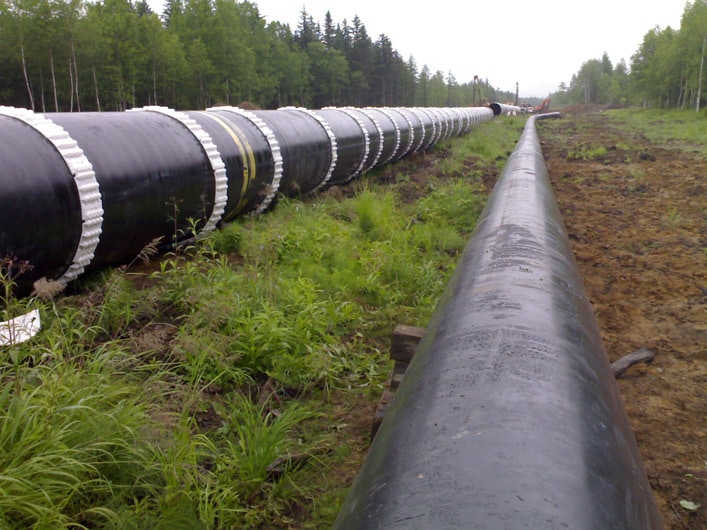
Pipeline inspection can offer attractive career opportunities for people with experience in construction, welding, coatings, industrial equipment, and quality control.
But there is one problem that confuses many newcomers.
The term pipeline inspector describes several different occupations.
A pipeline construction inspector may monitor the quality of work performed during a new pipeline project.
A welding inspector focuses on welding activities and applicable quality requirements.
A coating inspector evaluates protective coating work.
An integrity inspector may support the assessment of pipelines already in operation.
These jobs do not all require the same qualifications.
A certificate relevant to one type of inspection may provide limited value for another.
If you want to become a pipeline inspector, the first step is identifying which inspection career you are pursuing.
What Does a Pipeline Inspector Do?
A pipeline inspector helps verify that specified work or equipment conditions meet applicable requirements.
The actual responsibilities depend on the project.
During construction, an inspector may review work associated with excavation, pipe handling, welding, coatings, backfilling, or other activities within their assigned scope.
They may verify that relevant procedures and documentation are being followed.
Inspectors record observations and communicate concerns through the appropriate project process.
The objective is not simply finding mistakes.
Inspection supports quality assurance, traceability, regulatory compliance, and the integrity of the completed installation.
However, inspectors must work within their qualifications and assigned authority.
An inspector should not independently approve technical matters outside their competence.
Pipeline Construction Inspector
Construction inspection is one of the most recognizable pipeline inspection roles.
A major pipeline project can involve several contractors working on different stages of construction.
Inspectors may be assigned to monitor particular activities.
For example, a general construction inspector may verify that work is proceeding in accordance with approved documentation and relevant requirements.
A welding inspector may evaluate specified welding activities.
A coating inspector may focus on surface preparation and protective coating application.
A utility crossing inspector may have other responsibilities.
Some projects have a chief inspector coordinating several inspection personnel.
The exact structure depends on the project and operator.
In Service Pipeline Inspection
Inspecting an existing pipeline is different from inspecting a new construction project.
Operating pipelines require integrity management and maintenance programs appropriate to the assets and jurisdiction.
Certain inspection activities involve reviewing records, evaluating equipment condition, or investigating potential damage.
Specialized tools may be used to collect information about pipeline anomalies.
Qualified personnel then assess the data under the applicable engineering and inspection procedures.
The work can involve significant technical responsibility.
Someone with general construction experience may need additional qualifications before moving into specialized integrity work.
Do not confuse a pipeline construction inspector certificate with every other kind of pipeline inspection credential.
What Is API 1169?
API 1169 is a certification program developed by the American Petroleum Institute for pipeline construction inspectors.
It addresses knowledge associated with new onshore pipeline construction.
The program includes relevant inspection responsibilities, safety, construction requirements, and environmental considerations.
API 1169 is recognized in both U.S. and Canadian pipeline contexts.
However, there is an important limitation.
API 1169 is not simply a course anyone can complete and immediately become a qualified inspector.
The certification program has experience and eligibility requirements.
Applicants must satisfy an appropriate qualification pathway.
That may involve documented inspection, pipeline, oil and gas, or other relevant industrial experience, with additional education or certifications depending on the category.
A person with no relevant experience should verify eligibility before paying examination or training fees.
Can You Get API 1169 Without Pipeline Experience?
Possibly, if you qualify through another accepted combination of relevant industrial experience, education, and certifications.
However, not every background is sufficient.
For example, someone with substantial heavy industrial construction experience may have a different eligibility pathway from someone with direct pipeline inspection experience.
The required years and supporting credentials can differ.
A person with no pipeline, inspection, or relevant industrial experience should not assume they qualify.
The American Petroleum Institute publishes the current requirements.
Review them before registering.
Avoid training providers that imply paying for their preparation course guarantees eligibility for the certification exam.
Exam preparation and certification qualification are separate issues.
What Is API 570?
API 570 concerns inspection of certain in service piping systems.
It is a different certification from API 1169.
This distinction matters.
A person wanting to inspect new pipeline construction may find API 1169 more directly relevant.
Someone working with piping inspection in a refinery or processing facility may need to investigate API 570.
The eligibility and technical content differ.
API 570 also has specific education and experience requirements.
It is not a beginner certificate that automatically qualifies someone for pipeline construction inspection.
Before paying for either program, identify whether your target job concerns transmission pipeline construction, facility piping, or another kind of integrity work.
Welding Inspection Certifications
Pipeline projects involve extensive welding activities.
Qualified welding inspectors may be responsible for evaluating work according to the applicable welding requirements and inspection procedures.
Recognized qualifications can include certification pathways associated with organizations such as the American Welding Society or the Canadian Welding Bureau, depending on the role and jurisdiction.
A welding background can be useful.
However, welding experience alone does not automatically make someone a qualified inspector.
Welding inspection involves knowledge of procedures, discontinuities, acceptance criteria, documentation, and relevant standards.
Employers may require a specific certification level.
Review the actual position requirements.
Coating Inspection Careers
Pipelines commonly use protective coatings as part of corrosion control.
Coating inspectors evaluate relevant surface preparation, coating application, environmental conditions, testing, and quality documentation.
The Association for Materials Protection and Performance offers coating inspection certification pathways.
Applicants should determine which level of certification the employer requires.
An introductory coating qualification is not the same as extensive experience inspecting complicated pipeline coating work.
A technician may begin with suitable training and supervised experience.
More advanced inspection responsibilities require further competency.
This can be an attractive specialization for people with painting, blasting, coating, or industrial construction experience.
Nondestructive Testing
Nondestructive testing, often abbreviated NDT, involves evaluating materials or components without destroying their intended usefulness.
Methods can include ultrasonic, magnetic particle, radiographic, and other recognized techniques.
The appropriate method depends on the inspection objective.
NDT technicians require training and qualification under applicable programs.
A pipeline inspector may review NDT documentation, but that does not automatically qualify them to perform every NDT method.
Likewise, an NDT technician is not automatically a general pipeline construction inspector.
These are related but distinct occupations.
Do You Need a College Degree?
Not always.
Many pipeline inspection careers value practical construction or industrial experience.
However, formal education can help.
Technical diplomas in welding, engineering technology, materials, or related fields may support certain qualification pathways.
Professional engineering positions have separate educational and regulatory requirements.
A mechanical or civil engineering graduate may work toward engineering roles associated with pipeline design or integrity.
But that is not identical to qualifying as a pipeline inspector.
The best education depends on the inspection specialty you want.
Can You Become a Pipeline Inspector With No Experience?
It is difficult to begin directly in a senior inspection position without relevant experience.
A more realistic approach is obtaining work in a related occupation.
Possible starting areas include pipeline construction, welding, coating, materials handling, survey support, quality control assistance, or suitable industrial inspection trainee positions.
The goal is learning how construction activities are performed and documented.
For example, someone working on a pipeline coating crew may develop experience useful for future coating inspection training.
A welding employee may build knowledge relevant to welding quality.
A construction coordinator may gain familiarity with drawings and project documentation.
However, no entry job guarantees later certification.
Choose experience that aligns with a recognized qualification pathway.
What Does a Pipeline Inspector Need to Know?
Inspectors must understand the relevant scope of work.
This may include reading construction drawings, recognizing equipment and materials, reviewing procedures, and documenting observations.
Communication is essential.
An inspector needs to explain concerns without creating unnecessary conflict.
The role also requires independence and professional judgment.
An inspector should not approve work simply because a contractor is under schedule pressure.
At the same time, they should not invent requirements that are not part of the approved project standards.
A good inspector understands both the technical requirements and the limits of their authority.
Why Documentation Is So Important
Pipeline projects generate substantial records.
These can include construction reports, inspection records, material information, welding documents, coating records, and other project documentation.
Inspectors may be responsible for completing accurate daily reports within their scope.
A report should distinguish observed facts from assumptions.
For example, stating that a specified inspection activity was not documented is different from claiming that the activity never occurred.
Good records help the project team investigate issues and verify compliance.
Poor documentation can create problems long after construction is complete.
What Is a Typical Pipeline Inspector Schedule?
Many pipeline construction inspectors work on project assignments.
The project may require travel and extended periods near the construction location.
Some jobs involve long working days while construction is active.
Other inspection positions support permanent facilities or ongoing integrity programs.
These may have different schedules.
A construction inspector might work intensively during a project and then need another assignment.
An employee supporting established pipeline assets may have more predictable responsibilities.
Neither arrangement is universally better.
The important thing is knowing whether the job is permanent, project based, or contract employment.
How Much Does a Pipeline Inspector Earn?
Pipeline inspection compensation varies by specialization, qualification, region, and project.
Some employees receive hourly wages.
Others work under daily contract rates.
Senior specialists may have different arrangements.
Travel expenses and accommodation can also affect the value of an offer.
A contractor advertising a high daily rate may provide work only while a particular project is active.
A permanent employee with a lower daily equivalent may receive benefits and more consistent income.
Do not compare earnings using the daily rate alone.
Calculate realistic annual working days and necessary expenses.
What Is the Best Certificate for a Beginner?
The best certificate depends on the career.
Someone interested in general pipeline construction inspection should investigate API 1169 eligibility.
A person with welding experience may find a recognized welding inspection pathway more appropriate.
Someone already working with industrial coatings may consider coating inspection training.
An NDT trainee should investigate the qualification pathway for the relevant testing method.
There is no universal certificate that makes someone eligible for every pipeline inspection position.
Avoid buying several unrelated credentials simply because they appear in online job advertisements.
How to Find Pipeline Inspection Jobs
Search for specific titles.
These can include pipeline construction inspector, coating inspector, welding inspector, quality control inspector, pipeline integrity technician, and pipeline inspection coordinator.
Review the employer’s work locations and required certification.
Some positions are directly with pipeline owners or operators.
Others are with engineering and inspection contractors.
A vacancy may require current experience with particular codes or construction activities.
If you do not meet the qualifications, investigate junior quality control or related construction positions instead.
How to Prepare Your Resume
Describe your actual industrial experience.
If you have worked in pipeline construction, identify the activities you performed.
If you are a welder, explain your qualifications and applicable project experience.
If you worked in coating, identify the types of work and quality procedures involved.
List valid inspection certifications accurately.
Do not claim to have supervised inspections when you only participated as a tradesperson.
Employers need to understand your direct responsibilities.
A detailed but accurate resume is more useful than inflated job titles.
Common Mistakes When Pursuing Inspection Work
One mistake is assuming API 1169 and API 570 are interchangeable.
Another is purchasing an examination preparation course without checking eligibility.
Some applicants focus entirely on compensation and overlook the temporary nature of construction assignments.
Others underestimate documentation.
Inspection involves much more than walking through a worksite looking for obvious problems.
It requires knowledge of the applicable requirements and reliable records.
A final mistake is claiming inspection authority beyond your qualifications.
Professional competence matters because inspection decisions can affect the integrity of important infrastructure.
Questions About Pipeline Inspection Careers
Is API 1169 required for every pipeline inspector?
No. Requirements depend on the employer, project, and inspection specialty.
Can a welder become a pipeline inspector?
Yes, suitable welding experience may provide a foundation for a recognized inspection pathway.
Additional qualifications can be required.
Is pipeline inspection a permanent career?
It can be, but many construction assignments are project based.
Some integrity and operating asset positions provide different employment arrangements.
Can you work in Canada with API 1169?
The certification includes Canadian relevant requirements, but employment also depends on the employer, position, and legal work authorization.
Do inspectors need to travel?
Many construction inspectors travel to projects.
Other positions may involve less travel.
Can a pipeline inspector become an engineer?
Only by meeting the applicable education and professional requirements.
Inspection experience alone does not automatically grant engineering licensure.
Build Experience Before Buying Credentials
Pipeline inspection can provide a rewarding technical career, especially for people with relevant construction, welding, coating, or industrial experience.
But the industry contains several inspection specialties.
The smartest approach is choosing one and understanding its qualification requirements.
If you want to inspect new pipeline construction, research that pathway.
If you enjoy welding quality, investigate welding inspection.
If corrosion protection interests you, explore coatings.
If you want specialized integrity work, develop the appropriate technical background.
Build documented experience.
Learn the relevant standards.
And pursue certifications when you actually meet their requirements.
A successful inspector is not simply someone holding a certificate.
It is someone who can apply the correct requirements, recognize legitimate concerns, and produce accurate documentation that supports the quality and integrity of the work.