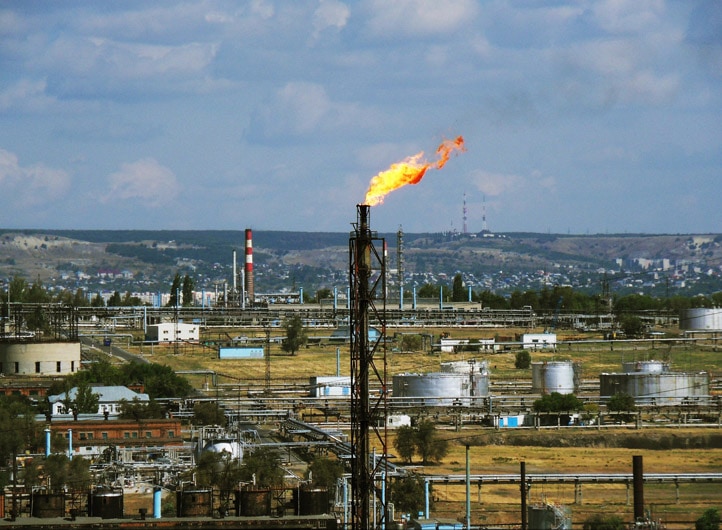
Fort McMurray is one of the best known locations in Canada for people looking for oil and gas jobs with camp accommodation.
Every year, workers travel to Northern Alberta to work at oil sands mines, processing facilities, construction projects, and industrial maintenance operations.
Some arrive with years of experience operating heavy equipment or maintaining industrial machinery.
Others are trying to get their first job in the oil and gas industry.
The attraction is easy to understand.
Many positions offer long work rotations, substantial overtime opportunities, and accommodation near the worksite.
Some employers also provide flights from Edmonton or Calgary.
That means you may be able to work in Fort McMurray without permanently moving there.
However, there is one important thing many applicants misunderstand.
Not every Fort McMurray oil sands job includes camp accommodation or flights.
Two employees could work at the same oil sands mine but have completely different transportation and accommodation arrangements.
One might receive flights and a camp room.
Another may be required to live in Fort McMurray and travel to work using a company bus.
Some employers offer living out allowance instead of accommodation.
Others hire exclusively for temporary construction or turnaround projects.
Understanding these differences can save you considerable time when looking for work.
This guide explains how Fort McMurray camp jobs work, which positions are available, how much workers can earn, which companies to investigate, and how to improve your chances of getting hired.
What Are Fort McMurray Camp Jobs?
Fort McMurray camp jobs are positions where employees work at an industrial site and stay in employer arranged accommodation during their scheduled work rotation.
These jobs are commonly associated with the oil sands industry.
Many oil sands facilities are located outside Fort McMurray, sometimes a considerable distance from residential communities.
Instead of requiring every employee to commute from town each day, some operations provide accommodation near the site.
Workers stay in camp during their scheduled working days.
When their rotation finishes, they travel home.
A typical arrangement might involve working fourteen consecutive days followed by fourteen days off.
Another employee might work fourteen days followed by seven days off.
Camp accommodation often includes a room, meals, laundry facilities, and common areas.
The exact facilities depend on the camp.
Some camps are large permanent lodges designed for thousands of workers.
Others support temporary construction or maintenance projects.
Camp accommodation is normally associated with the worker’s scheduled assignment, not a permanent residence that can be occupied indefinitely.
What Is the Difference Between Camp Jobs and Fly In Fly Out Jobs?
These terms are often used together, but they do not mean exactly the same thing.
A camp job provides accommodation near the worksite.
A fly in fly out job provides air transportation to and from the designated work location or transportation hub.
A position can include both.
For example, an employer might provide a flight from Edmonton to a northern Alberta work location, transportation to camp, and accommodation during the rotation.
But another camp job may require employees to drive to a designated pickup point.
A third position might provide flights but no camp because the worker is expected to live locally during the assignment.
This is why you should confirm transportation and accommodation separately.
Do not assume that because a job advertisement mentions Fort McMurray, flights and camp are included.
Which Oil Sands Sites Have Camp Jobs?
Several major oil sands operations are located in the Fort McMurray region.
These include Suncor operations, Syncrude sites, Canadian Natural Resources Limited facilities, Imperial Oil’s Kearl operation, and other developments.
You may see job advertisements mentioning sites such as:
- Suncor Fort Hills.
- Imperial Oil Kearl.
- CNRL Horizon.
- CNRL Albian operations.
- Syncrude Aurora.
- Syncrude Mildred Lake.
- Suncor Base Plant.
- Regional in situ oil sands facilities.
However, these sites do not all have identical transportation or accommodation arrangements.
And the company operating the oil sands facility is not necessarily your employer.
For example, an equipment operator may work at Kearl but receive their paycheque from a mining contractor.
A millwright might work at Horizon for an industrial maintenance company.
A kitchen worker may be employed by the company operating a workforce lodge.
This is an important distinction when applying for jobs.
You should search both by the oil sands site name and by the contractors providing services at that site.
What Jobs Are Available at Fort McMurray Camps?
The opportunities extend far beyond operating haul trucks.
Some positions involve mining and production.
Others involve mechanical maintenance, construction, administration, transportation, or camp services.
The following are among the main categories worth investigating.
1. Heavy Equipment Operators
Heavy equipment operation is one of the most recognizable types of work associated with Fort McMurray oil sands mines.
Depending on the employer, operators may work with haul trucks, dozers, excavators, graders, and other mining or earthmoving equipment.
Haul truck operators move materials within approved mining operations.
Dozer operators help maintain surfaces and move material.
Excavator operators perform digging and loading activities.
Grader operators maintain roads and working surfaces.
These positions can offer strong wages.
However, many employers require verified equipment experience.
For example, a company looking for a finish dozer operator may expect someone who has already operated similar equipment in mining or heavy civil construction.
A regular driver’s licence alone does not qualify someone to operate large mining machinery.
How Much Can Heavy Equipment Operators Earn?
A 2026 North American Construction Group posting for finish dozer operators at Kearl and Fort Hills advertised a base rate of $44.24 per hour, plus separately identified vacation and statutory holiday pay.
The posting included camp accommodation and flights from Edmonton or Calgary.
Other heavy equipment jobs may pay differently depending on the machine, qualifications, site, and employment agreement.
Can You Get Hired Without Experience?
It is possible to find trainee opportunities, but they are more limited than many applicants expect.
Large mining contractors frequently prefer workers with documented equipment operating experience.
If you have never operated heavy equipment, look for trainee programs, general labour jobs, and legitimate opportunities to develop equipment qualifications.
Do not claim equipment experience you do not have.
2. Heavy Duty Mechanics and Maintenance Technicians
Oil sands operations use enormous amounts of machinery.
Haul trucks, excavators, pumps, compressors, conveyors, and other equipment require regular maintenance.
Heavy equipment technicians inspect, diagnose, repair, and maintain machinery.
Industrial mechanics and millwrights work with various mechanical systems.
Maintenance electricians and instrumentation technicians support electrical and process control equipment.
These positions often require recognized trade qualifications.
How Much Can Maintenance Workers Earn?
A 2026 North American Construction Group posting for a journeyperson heavy duty mechanic at Fort Hills advertised combined compensation of up to $69.47 per hour.
The arrangement included a fourteen day working rotation followed by fourteen days off, with camp accommodation.
However, the quoted figure was a combined advertised rate, not necessarily the base wage.
Applicants should review how vacation pay, statutory holiday pay, overtime, and any other components are calculated.
Skilled maintenance positions can offer excellent earning potential, but they normally require substantial experience and qualifications.
3. General Labourers and Ground Workers
General labour jobs can be a starting point for people interested in working at oil sands sites.
Depending on the position, duties may involve cleaning equipment, handling materials, maintaining work areas, installing temporary site materials, and assisting other workers.
Some positions are physically demanding.
Workers may spend much of the day outdoors during winter conditions.
Are These Jobs Suitable for Beginners?
Some are.
However, the title labourer does not automatically mean no experience is required.
For example, a 2026 North American Construction Group skilled ground worker posting at Fort Hills advertised camp and flights, with a combined rate of up to $36.74 per hour.
The qualifications included two years of labour experience and at least one year of previous mine experience.
That is not a genuine beginner position despite the labourer title.
When applying, look carefully at the required experience.
Search for general labourer, labourer trainee, equipment yard helper, and similar positions that explicitly accept applicants without previous mine experience.
4. Camp Kitchen Workers and General Helpers
You do not necessarily need oilfield experience to work in a Fort McMurray camp.
Workforce lodges employ people to prepare food, maintain dining areas, wash dishes, organize supplies, and support kitchen operations.
Common positions include kitchen worker, kitchen helper, general helper, dishwasher, food service attendant, and cook.
Some of these jobs are suitable for applicants with previous restaurant or hospitality experience.
Others provide entry level opportunities.
For example, Civeo has advertised kitchen worker and cook positions at lodges near Fort McMurray.
Camp hospitality can be a practical entry point for someone who wants rotational work but does not have drilling, mining, or industrial experience.
However, working in camp services does not automatically create a pathway into mine operations.
The mine operator and camp services company may be completely different employers.
5. Camp Housekeepers, Janitors and Laundry Workers
Large camps need employees to maintain rooms, bathrooms, common areas, and laundry facilities.
Housekeeping workers may clean rooms, replace supplies, collect waste, and maintain sanitation standards.
Laundry workers handle bedding and other approved laundry operations.
Janitors maintain shared facilities.
These positions may require less specialized technical training than mining or industrial maintenance jobs.
However, the work can still be physically demanding.
You may spend long shifts on your feet.
You may also be responsible for cleaning a large number of rooms during a rotation.
Companies such as Civeo and Dexterra are worth investigating because they provide workforce accommodation and facility services.
Relevant experience from hotels, hospitals, commercial cleaning, or hospitality can be valuable.
6. Cooks and Camp Catering Staff
Camp catering is another major employment category.
Large industrial lodges may prepare thousands of meals daily.
They employ cooks, bakers, kitchen supervisors, food service personnel, and managers.
Some positions require professional culinary qualifications.
Others focus on supporting food preparation and kitchen operations.
Camp cooks may work early mornings, evenings, weekends, or rotating shifts.
For example, a Civeo second cook advertisement in 2026 described a twenty day working rotation followed by ten days off at lodges near Fort McMurray.
Requirements included previous food service experience and the appropriate qualifications for the role.
For someone with restaurant or institutional food service experience, camp catering may provide a relatively direct transition.
7. Warehouse and Materials Workers
Oil sands operations need a constant supply of replacement parts, tools, and industrial materials.
Warehouses support maintenance and operating crews by receiving equipment, tracking inventory, and organizing supplies.
Workers may operate forklifts or other equipment when properly trained and authorized.
A 2026 North American Construction Group posting for a warehouse receiver at Kearl advertised a fourteen day on and fourteen day off rotation, camp accommodation, and flights from Edmonton or Calgary.
The employer required warehouse experience and preferred applicants familiar with inventory systems and material handling equipment.
This is an important example because it shows that camp jobs are not limited to mining equipment operators or skilled tradespeople.
Workers with relevant warehouse experience may also find opportunities.
8. Industrial Construction and Turnaround Jobs
Oil sands facilities periodically require construction, equipment installation, major maintenance, and planned shutdown work.
These projects employ welders, pipefitters, millwrights, electricians, insulators, scaffolders, safety personnel, and other industrial workers.
Some employers provide camp accommodation and flights.
However, a turnaround position is not necessarily permanent.
A worker might be hired for several weeks to support a particular maintenance event.
When the project finishes, the assignment may end.
Companies such as Tacten and industrial construction contractors advertise these types of opportunities.
If you are looking for long term employment, distinguish between permanent maintenance positions and temporary shutdown work.
Both can pay well, but they offer different levels of employment continuity.
9. Camp Administration and Support Positions
Industrial camps also need administrative and support personnel.
Possible positions include front desk attendants, site administrators, travel coordinators, inventory personnel, and facility maintenance workers.
For example, Tacten advertised a site administrator position supporting northern Alberta operations and turnaround work in 2026.
The advertised arrangement included camp accommodation and flights from Calgary or Edmonton.
The responsibilities involved daily billing, travel coordination, accommodation arrangements, and maintaining administrative records.
For someone with office, hospitality, logistics, or customer service experience, these roles may be worth investigating.
However, not every camp administrative position is entry level.
Some require industrial site experience and familiarity with specialized reporting systems.
Which Fort McMurray Camp Jobs Are Easiest to Get Without Experience?
If you have never worked in oil and gas, focus on positions where the employer actually provides training.
Possible starting points include kitchen helper, general camp helper, housekeeping attendant, janitor, laundry worker, certain warehouse assistants, and suitable general labour positions.
However, availability varies.
Some hospitality positions are competitive.
Some camp employers prefer previous institutional cleaning or food service experience.
And certain industrial labour jobs require previous construction or mine experience.
An applicant with restaurant experience may have a better chance with a camp catering company than with a haul truck contractor.
Someone who has worked construction may be better suited to industrial labour.
A person with warehouse experience may qualify for material handling work.
The best first job is one where your existing skills meet the advertised requirements.
Which Companies Hire for Fort McMurray Camp Jobs?
There are several types of employers to investigate.
Oil Sands Operators
Major producers and operators include Suncor, Canadian Natural Resources Limited, and Imperial Oil.
These companies operate major oil sands assets and hire various employees directly.
However, not every direct position includes camp or flights.
Check the transportation and accommodation details in each advertisement.
Mining and Industrial Contractors
Companies such as North American Construction Group, Thompson Construction Group, Morgan Construction, and other contractors support oil sands operations.
They may hire equipment operators, mechanics, general labourers, supervisors, and construction personnel.
Some assignments include camp.
Others require local accommodation.
Industrial Maintenance Contractors
Companies such as Tacten and other industrial contractors provide specialized maintenance, inspection, construction, and turnaround services.
Some positions involve camp and flights for the duration of a project.
Camp and Hospitality Companies
Civeo and Dexterra provide accommodation, hospitality, and related workforce services.
They are useful employers to investigate if you are seeking kitchen, housekeeping, maintenance, or administrative positions.
Because contracts and staffing needs change, you should check current vacancies directly with each employer.
Do not assume a company is hiring a particular occupation simply because it operates in the region.
Does Fort McMurray Camp Work Include Free Flights?
Sometimes.
Flights are commonly provided from designated transportation hubs rather than from any city in Canada.
For example, several 2026 North American Construction Group postings provided flights from Edmonton or Calgary.
If you live in Ontario, British Columbia, Saskatchewan, or another province, you may need to pay for your own transportation to one of those cities.
Some employers provide transportation from additional departure points.
Others do not.
A posting may also provide a bus from Fort McMurray to the operating site instead of air travel.
Before accepting an offer, ask which departure locations are covered.
Also confirm who pays if you need to travel to the designated hub.
These costs can significantly affect the value of the job.
Do You Need to Live in Fort McMurray?
Not always.
Some positions are designed for rotational workers who live elsewhere.
These jobs may include flights, camp accommodation, and transportation to the site.
Other positions require employees to live in Fort McMurray or arrange their own local accommodation.
For example, some contractors working at Suncor or Syncrude sites advertise bussing from Fort McMurray but explicitly state that camp is not provided.
A worker who lives in Calgary cannot assume the company will provide housing simply because the job is located at an oil sands mine.
This is one of the most important details to check.
A position requiring local accommodation can be financially very different from one offering a room and meals during every rotation.
What Are the Most Common Camp Rotations?
Several rotational schedules are common.
A fourteen day on and fourteen day off schedule provides equal periods of working days and days off.
A fourteen day on and seven day off schedule involves more working days throughout the year.
Other arrangements include seven days on and seven off, twenty days on and ten off, and longer project based rotations.
Many industrial positions use twelve hour shifts.
However, twelve hours on site does not automatically mean twelve paid hours.
Some postings specify eleven and a half paid hours.
Others specify twelve.
Travel time and meal breaks also depend on the employment arrangement.
Is 14/7 Better Than 14/14?
That depends on your priorities.
A fourteen day on and seven day off schedule provides more working days across the year.
This can increase earnings if wages and other conditions are comparable.
A fourteen day on and fourteen day off schedule provides substantially more time at home.
For example, at twelve paid hours per working day, a continuous fourteen day on and fourteen day off pattern represents approximately 2,190 paid hours over a typical year.
A continuous fourteen day on and seven day off pattern represents approximately 2,920 paid hours.
These are simplified estimates based on the rotation repeating throughout the year.
Actual earnings depend on scheduling, leave, overtime, project interruptions, and other factors.
Neither rotation is automatically better.
Choose one you can sustain financially and personally.
How Much Do Fort McMurray Camp Jobs Pay?
Pay varies considerably.
A kitchen helper and an experienced heavy duty mechanic will not earn the same wage.
The employer, qualifications, rotation, collective agreement, and project all influence compensation.
To illustrate what actual advertisements can look like, selected 2026 job postings included the following figures:
Position
Advertised compensation
Experienced finish dozer operator, NACG
$44.24 per hour base
Skilled ground worker, NACG
Up to $36.74 per hour combined
Warehouse receiver, NACG
Up to $48.32 per hour combined
Journeyperson heavy duty mechanic, NACG
Up to $69.47 per hour combined
These are examples from particular advertisements, not average wages for all Fort McMurray workers.
The combined rates may include components such as vacation or statutory holiday pay.
Some advertised positions include camp, while others do not.
Always read the complete compensation details.
How Much Could You Earn on a Rotation?
Imagine a hypothetical camp job paying $40 per hour.
You work fourteen days at twelve paid hours per day.
That equals 168 paid hours during the rotation.
At straight time, the gross pay would be $6,720 before deductions.
That calculation does not include overtime premiums, bonuses, or additional allowances.
Actual overtime rules depend on the employee’s occupation and applicable employment arrangements.
Alberta’s general overtime rules use eight hours per day or forty four hours per week, whichever produces the greater overtime amount, but there are exceptions and averaging arrangements.
Certain industries, including oilwell servicing, have different overtime thresholds.
Do not assume every twelve hour camp shift automatically includes four hours of overtime.
Review the employer’s actual pay structure before estimating your annual income.
What Qualifications Do You Need for Fort McMurray Camp Jobs?
Requirements depend on the job.
A camp kitchen worker may need relevant food safety training.
A heavy equipment operator may need verified operating experience.
A mechanic may require a recognized trade qualification.
An industrial site labourer may need safety training and a valid driver’s licence.
Some oil sands contractors require Common Safety Orientation or another accepted safety orientation.
Additional training may involve wildlife awareness, silica awareness, first aid, or other site specific requirements.
Certain positions require H2S training, but not every camp job requires H2S Alive.
Employers may also require an appropriate driver’s licence and driving record.
Some industrial positions include fitness assessments, occupational health testing, or drug and alcohol screening under applicable policies and laws.
The best approach is to review actual job postings before paying for courses.
Different employers can have different requirements even when working at the same site.
Do You Need a Class 1 Driver’s Licence?
Not for every camp job.
Many camp hospitality, warehouse, maintenance, and general labour positions do not inherently require commercial truck driving.
Some jobs require only a valid Class 5 licence.
Others may not involve driving at all.
However, certain transportation and equipment operating roles require additional qualifications.
For example, operating a large haul truck inside an oil sands mine involves specialized equipment training and authorization.
It does not automatically mean the same licensing requirements apply as driving a highway tractor trailer.
The exact requirements depend on the equipment and duties.
Do not assume every oil sands worker needs Class 1.
But do not assume a regular driver’s licence qualifies you to operate mining machinery.
What Is Life Like in a Fort McMurray Work Camp?
Living in camp is different from staying in a hotel while travelling for work.
Workers often follow a structured daily routine.
You wake up, eat breakfast, prepare for the shift, and travel to the worksite.
After a long day, you return to camp.
You may have dinner, use the laundry facilities, go to the gym, call family, or relax in your room.
Then you repeat the routine the next day.
Large permanent camps often have dining facilities, laundry services, recreational areas, and other amenities.
Some have private rooms and bathrooms.
Others have shared facilities.
Camp rules vary.
Alcohol policies, visitor restrictions, quiet hours, smoking rules, and room arrangements should be confirmed with the employer.
Is Food Provided?
Many camp arrangements include meals.
Workers may have access to a dining hall and packed lunches.
However, the details vary by camp and contract.
If accommodation is advertised as room and board, clarify exactly what is included.
Do Camps Have Internet?
Many established camps provide internet access.
However, connection quality can vary, and some systems have limitations.
If you rely on regular video calls or remote services, ask about connectivity.
Can You Stay in Camp on Your Days Off?
Generally, camp accommodation is associated with the scheduled working rotation.
Workers normally leave when their rotation ends.
You should not assume the accommodation is available for personal use during your days off.
How to Find Fort McMurray Camp Jobs
Searching only for Fort McMurray jobs can produce thousands of unrelated results.
Many advertisements are for positions requiring local residence.
Use more specific search terms.
Examples include:
- Fort McMurray camp jobs.
- Fort McMurray fly in fly out jobs.
- Oil sands camp jobs no experience.
- Fort Hills camp jobs.
- Kearl camp jobs.
- Horizon oil sands camp jobs.
- Fort McMurray camp labourer.
- Oil sands haul truck operator camp.
- Fort McMurray camp housekeeping.
- Fort McMurray kitchen helper camp.
- Oil sands warehouse camp jobs.
- Fort McMurray turnaround jobs camp provided.
- Fort McMurray fourteen and fourteen rotation.
Use job websites to discover employers, but try to confirm vacancies on official company careers pages.
A job advertisement may remain visible after the original position has been filled.
And some companies maintain general recruiting advertisements for future projects.
Prioritize positions with clear locations, responsibilities, qualifications, and accommodation details.
How to Improve Your Chances of Getting Hired
If you have no oilfield experience, start with positions that genuinely match your background.
Someone with hotel cleaning experience may be competitive for housekeeping.
Restaurant experience can be relevant to kitchen work.
Warehouse experience can transfer to material handling positions.
Construction experience may help with suitable labour roles.
Mechanical experience can be useful for maintenance support.
Your resume should explain those transferable skills.
For example, instead of simply saying you worked in a warehouse, describe experience receiving materials, organizing inventory, using approved handling equipment, and following safety procedures.
If you have worked twelve hour shifts or rotational schedules before, mention that experience.
Include certifications and your actual driver’s licence class when relevant.
Most importantly, do not apply exclusively to positions requiring years of mining experience if you have never worked around heavy equipment.
A focused job search is more effective than sending the same generic resume to every employer.
Should You Move to Fort McMurray Before Finding a Job?
Not necessarily.
Some employers recruit workers from other parts of Canada and provide transportation through designated hubs.
Moving to Fort McMurray may provide access to local positions, but it also creates housing and living expenses.
There is no guarantee you will be hired immediately.
A better strategy is first identifying the types of jobs that match your qualifications.
Find out whether local residence is required.
Determine whether flights or accommodation are available.
Then evaluate whether relocating offers a realistic advantage.
Do not spend substantial money moving without understanding the opportunities available.
Watch Out for Fort McMurray Camp Job Scams
Oilfield employment advertisements are sometimes used by scammers.
Be cautious if someone claims they can guarantee you a high paying camp position in exchange for money.
Alberta employment agencies are not permitted to charge job seekers fees for securing employment.
You should also be cautious if a recruiter asks for banking information before a legitimate hiring process has taken place.
Verify the employer through its official website.
Make sure the position actually exists.
Be suspicious of advertisements promising unusually high salaries for no experience without explaining the work or qualifications.
Legitimate employers may require training, screening, and paperwork.
But you should not pay someone a recruitment fee simply to receive a job offer.
Questions to Ask Before Accepting a Camp Job
Before accepting employment, clarify these details.
- Is camp accommodation included?
- Is the room private or shared?
- Are meals provided?
- Are flights included, and from which cities?
- Do I pay for travel to the departure hub?
- Is transportation between camp and site provided?
- How many hours are paid per shift?
- How is overtime calculated?
- Is the position permanent or project based?
- What happens when the current project finishes?
- Are there union dues or other payroll deductions?
- What training and certifications are required?
- Are travel days paid?
- What is the process if weather or flight cancellations delay travel?
- Will the company provide personal protective equipment?
These details can materially affect your income, schedule, and working conditions.
A job offering a higher hourly rate may not be the better option if you must pay for accommodation and substantial travel expenses yourself.
Frequently Asked Questions
Can you get a Fort McMurray camp job with no experience?
Yes. Certain kitchen, housekeeping, hospitality, and general support positions may accept applicants without oil sands experience. Many mining and industrial positions require previous relevant experience.
Do Fort McMurray camp jobs include free accommodation?
Some do. Others provide living out allowance or require local accommodation. Confirm the arrangements in each job posting.
Do Fort McMurray camp jobs include flights?
Some employers provide flights from designated hubs such as Edmonton or Calgary. Transportation from your home city is not always included.
Can you live in Ontario and work in Fort McMurray?
Yes, if you can meet the employer’s transportation and reporting requirements. Some positions may require you to arrange travel to an Alberta departure hub.
Can you get a camp job without a driver’s licence?
Some fixed location camp hospitality positions may not require driving. Many industrial positions require a valid licence.
Do you need Class 1 to work in the oil sands?
No. Commercial driving qualifications depend on the position and equipment.
What is the most common Fort McMurray camp rotation?
Fourteen days on followed by seven or fourteen days off are common arrangements. Other schedules are also used.
Are camp jobs always twelve hour shifts?
Many industrial positions use twelve hour shifts, but hours vary and paid time may differ from total shift length.
How much do Fort McMurray camp workers make?
Wages vary widely. Experienced mining and maintenance workers can earn substantial hourly rates, while entry level hospitality jobs generally have different pay scales.
Can haul truck operators earn $100,000 a year?
Some experienced operators can reach six figure annual earnings, depending on wages, working hours, premiums, and available work. It is not guaranteed for beginners.
Are meals included in camp jobs?
Many camp arrangements include meals, but the specific terms depend on the employer and accommodation contract.
Can you bring your own vehicle to camp?
Some sites allow designated parking arrangements. Others rely on flights and buses. Ask the employer before bringing a vehicle.
Are Fort McMurray camp jobs permanent?
Some are ongoing positions. Others are temporary construction, turnaround, or project assignments.
Is working in camp a good way to save money?
It can be if accommodation and meals are provided and travel costs are manageable. Your actual savings depend on wages, deductions, expenses at home, and the consistency of work.
Do camp workers receive overtime?
Some do. The applicable rules depend on the occupation, employment agreement, collective agreement, and Alberta employment standards.
Do you need H2S Alive for camp work?
Not universally. Some industrial roles require H2S training, while hospitality and other positions may have different requirements.
Where should you apply for Fort McMurray camp jobs?
Start with official careers pages for oil sands operators, mining contractors, industrial maintenance companies, and workforce accommodation providers. Search by both occupation and site name.
Final Thoughts: How to Get a Fort McMurray Camp Job
Fort McMurray can offer valuable employment opportunities for people seeking rotational work in Canada’s oil and gas industry.
But getting hired requires understanding what employers actually need.
The highest paying positions often require substantial experience operating heavy equipment, maintaining industrial machinery, or performing skilled trade work.
For beginners, camp hospitality, general support, warehouse, and certain labour positions may provide more realistic entry opportunities.
The most important thing is not assuming every oil sands job provides camp and flights.
Some employers provide both.
Others provide only bussing.
Some require workers to live in Fort McMurray.
And certain jobs are temporary assignments that end when a construction or maintenance project finishes.
Before applying, check the required experience, transportation arrangements, accommodation, rotation, paid hours, and compensation structure.
If you are new to the industry, focus on jobs where your existing experience gives you a reasonable chance of being hired.
If you already have industrial or equipment experience, target the positions that recognize those skills.
And if your goal is long term oil sands employment, consider careers that provide recognized qualifications and opportunities beyond individual projects.
A good Fort McMurray camp job can provide competitive earnings, a structured work rotation, and a chance to develop valuable industrial experience.
But the best opportunity is not necessarily the one advertising the highest hourly rate.
It is the position that offers a realistic combination of compensation, suitable qualifications, reliable work, manageable travel, and working conditions you can sustain.