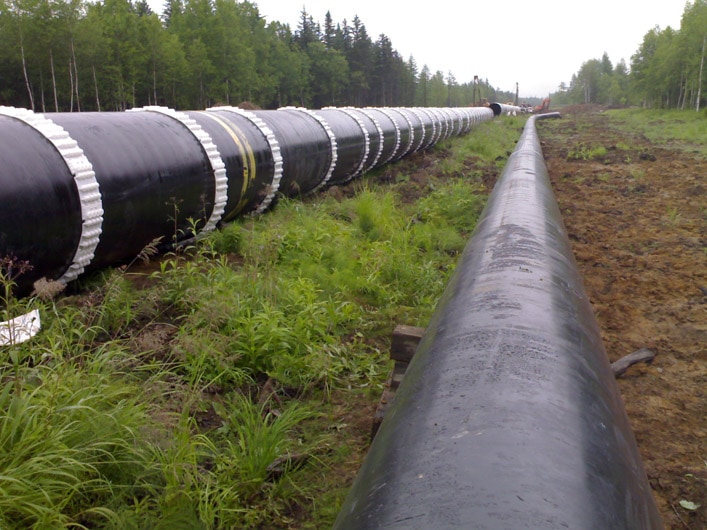
A pipeline controller can be responsible for hundreds of miles of pipeline without physically standing beside any of it.
The job is performed from a control room.
Large screens show pressures, flows, tank levels, valve positions, pump status, compressor status, alarms, and thousands of other pieces of information.
From that room, controllers help move crude oil, refined products, natural gas, and other materials through pipeline systems safely.
The work can appear quiet.
Then something changes.
A pump trips.
Pressure falls unexpectedly.
A station loses communication.
A tank approaches its operating limit.
A shipper changes a delivery requirement.
An alarm arrives from a remote location.
The controller has to understand what the pipeline is doing and decide what action is required.
That combination of long periods of monitoring and sudden high consequence decisions is what makes pipeline control different from many other oil and gas jobs.
What Is a Pipeline Controller?
A pipeline controller remotely monitors and controls pipeline operations through a supervisory control and data acquisition system.
This system is commonly called SCADA.
The controller may operate:
Pumps
Compressors
Motor operated valves
Control valves
Tank movements
Pipeline delivery points
Other remotely controlled equipment
The exact responsibility depends on whether the system transports liquids or gas.
What Does SCADA Mean?
SCADA means supervisory control and data acquisition.
The system gathers information from equipment spread across the pipeline network and displays that information in the control room.
A controller might see:
Station pressure
Pipeline pressure
Flow rate
Tank level
Pump status
Compressor status
Valve position
Temperature
Communication alarms
Leak detection information
The controller can also send commands to remote equipment where the system is designed for remote control.
Is a Pipeline Controller the Same as a Pipeline Operator?
Not always.
The terminology varies by company.
A pipeline controller normally works from a control room.
A field pipeline operator may physically inspect stations, operate equipment locally, perform maintenance support, collect samples, respond to alarms, or meet contractors in the field.
Controllers and field operators communicate frequently.
The controller sees the overall system.
The field operator sees what is physically happening at location.
What Does a Pipeline Controller Do During a Normal Shift?
A normal shift can include monitoring pressures and flows, adjusting equipment, coordinating product movements, communicating with field operators, documenting changes, responding to alarms, and managing scheduled deliveries.
A controller may also communicate with:
Schedulers
Dispatchers
Terminal operators
Pipeline technicians
Engineers
Maintenance personnel
Customers
Other control centers
The pipeline has to satisfy both physical operating limits and commercial delivery requirements.
That can make the job more complicated than simply starting pumps.
How Does a Controller Move Oil Through a Pipeline?
Imagine crude oil needs to move from a storage terminal to a refinery.
The controller confirms that the correct tanks and pipeline path are available.
Pumps are started according to procedure.
Valves are positioned.
Flow increases.
The controller monitors pressure throughout the route.
If a downstream station needs additional pumping, another pump may be started.
The controller then maintains the desired flow while staying within pressure and equipment limits.
Every change in one location can affect another location.
How Is Natural Gas Pipeline Control Different?
Natural gas is compressible.
That gives gas pipelines some operating flexibility that liquid pipelines do not have in the same way.
Controllers may manage:
Compressor stations
Pipeline pressure
Gas flow
Storage
Receipt points
Delivery points
Linepack
Gas nominations
Linepack refers to the quantity of gas stored inside the pipeline itself as pressure changes.
A controller can sometimes increase or decrease pipeline inventory by changing operating pressure within allowable limits.
Why Is Pipeline Pressure So Important?
Every pipeline has operating pressure limits.
Pressure must remain high enough to move product effectively but below the maximum allowed for the system.
Controllers watch how pressure changes when:
Flow increases
Pumps start
Compressors load
Valves move
Deliveries change
Equipment trips
Pressure changes can also provide early evidence that something unusual is happening.
What Happens When a Pump Trips?
The controller first identifies which equipment stopped and how the pipeline responds.
Flow may decrease.
Upstream pressure may rise.
Downstream pressure may fall.
Other pumps may move toward different operating conditions.
The controller may need to stop additional equipment, start another pump, contact field personnel, or adjust the pipeline rate.
The correct response depends on the pipeline.
Training is therefore system specific.
What Happens When Communication With a Station Is Lost?
Remote pipeline operation depends heavily on communication.
If the control room stops receiving reliable data from a station, the controller may no longer know the true status of valves, pumps, pressures, or alarms.
The response depends on company procedures and the importance of the lost information.
A field technician may be sent to investigate.
Operations may need to be restricted until reliable monitoring is restored.
A controller should never assume that a frozen screen value still represents the actual process.
Why Is Alarm Management So Important?
A large control system can generate an enormous number of alarms.
Too many alarms can become a safety problem.
If a controller receives hundreds of low value alarms during a process upset, an important alarm can be missed.
Pipeline control room regulations in the United States specifically address alarm management, fatigue, training, and other human factors.
Good control systems try to present meaningful alarms that help the controller recognize abnormal conditions.
What Is Control Room Management?
Control room management is the structured approach used to manage pipeline control room risks.
For regulated US pipelines, federal requirements address areas such as:
Controller roles and authority
Providing adequate information
Fatigue mitigation
Alarm management
Change management
Operating experience
Training
The basic idea is simple.
Safe pipeline operation depends not only on equipment but also on the people who monitor and control it.
Why Is Fatigue Such a Big Issue?
Pipeline control rooms operate around the clock.
Controllers commonly work rotating shifts that include nights.
A tired controller can have difficulty with attention, reaction time, memory, and decision making.
That matters when the person is responsible for a large operating system.
Companies therefore use staffing, work schedules, break policies, training, and other methods to reduce fatigue risk.
The schedule is one of the biggest lifestyle factors to consider before entering this career.
What Is the Pipeline Controller Work Schedule Like?
Schedules vary.
Many control rooms use twelve hour rotating shifts.
A controller may work days for part of the rotation and nights for another part.
Some schedules provide several days off between work blocks.
The time off can be attractive.
The shift changes can be difficult.
Working nights, weekends, and holidays is normal because pipelines operate continuously.
Is the Job Physically Difficult?
Usually not in the same way as drilling or field service work.
Controllers spend much of the shift sitting at a workstation.
The job can therefore be physically easier than many field roles.
But sitting for long periods creates its own problems.
Regular movement and general fitness matter.
The main demands are often mental rather than physical.
Is Pipeline Control Stressful?
It can be.
A normal shift may be quiet.
During an abnormal condition, several things can happen at once.
Alarms appear.
Field operators call.
Schedulers want information.
Pressure is changing.
Management may be asking for updates.
The controller still has to think clearly.
People who remain calm while handling several information sources at once tend to perform better.
What Is the COBRA Test?
Some pipeline companies use a simulator assessment commonly called COBRA or a similar pipeline control simulation.
The exact hiring process depends on the company.
These assessments typically evaluate abilities such as:
Following instructions
Managing changing conditions
Recognizing cause and effect
Handling alarms
Prioritizing tasks
Maintaining process limits
The purpose is not necessarily to test whether you already know a specific pipeline.
Companies train new controllers on their actual system.
Do You Need Pipeline Experience to Become a Controller?
Not always.
Some companies hire people with backgrounds in:
Plant operations
Oilfield operations
Terminals
Refineries
Military operations
Process technology
Logistics
Industrial control rooms
Other technical work
Some entry positions may hire people with little direct pipeline experience if they perform well in the selection process.
Competition can still be significant.
Why Does Field Experience Help?
Someone who has physically worked around pumps, valves, tanks, compressors, and pipelines already understands what the symbols on the control screen represent.
When a controller tells a field operator to verify a valve position, it helps to understand what that valve actually looks like and how the station is arranged.
Field experience also makes it easier to understand how long physical tasks take.
A remote command happens in seconds.
A technician driving two hours to a remote station does not.
What Training Does a New Pipeline Controller Receive?
Training is usually extensive because every pipeline system is different.
A new controller may learn:
Pipeline hydraulics
System layout
SCADA screens
Emergency procedures
Alarm response
Operating limits
Communication procedures
Pump or compressor operation
Tank movements
Leak response
Company documentation
Training often combines classroom learning, simulation, observation, and supervised control room work.
Qualification can take months.
Why Do Controllers Need to Understand Rate, Distance, and Time?
Pipeline operations involve moving product through long distances.
Basic calculations can answer questions such as:
When will a product reach a terminal?
How long will a batch take to move?
When should a tank begin receiving product?
How much volume will arrive during a certain period?
Controllers use computers and scheduling systems, but basic mathematical reasoning still matters.
What Is Batch Movement in a Products Pipeline?
Some pipelines move different refined products through the same pipe.
For example, gasoline may be followed by diesel.
Each product moves as a batch.
The area where the products meet is called the interface.
Controllers need to know where batches are located and when they will reach terminals.
This requires coordination between the pipeline and receiving facilities.
What Happens During a Pipeline Emergency?
Controllers follow established emergency procedures.
Possible events include:
Unexpected pressure loss
Equipment failure
Communication loss
Suspected leak
Station fire
Third party damage
Severe weather
The controller may need to stop pumps or compressors, close remote valves, contact emergency personnel, notify field crews, and preserve operating information.
The exact actions depend on the situation and pipeline design.
Does a Pipeline Controller Detect Leaks?
Controllers are one part of leak detection.
They monitor pressures, flows, alarms, and computational leak detection information where installed.
No single measurement proves a leak exists in every situation.
Pipeline conditions can change for legitimate reasons.
The controller’s job is to recognize abnormal behavior and respond according to procedure.
Why Is Communication So Important?
A controller works remotely.
That means much of the job depends on information from other people.
A field operator may report a sound, leak, smell, vibration, or valve position that cannot be seen through SCADA.
A scheduler may change a requested movement.
Maintenance may take equipment out of service.
Clear communication prevents assumptions from turning into operating mistakes.
What Is a Controller Handover?
When one shift ends, the incoming controller needs to know the current condition of the pipeline.
A good handover covers important information such as:
Equipment out of service
Abnormal conditions
Current product movements
Expected changes
Maintenance
Temporary operating restrictions
Open alarms
Anything that could affect the next shift
A poor handover can leave the next controller trying to discover critical information after something goes wrong.
Can Pipeline Controllers Work Overtime?
Many positions include overtime opportunities, but the amount varies by employer.
Fatigue rules and company policy can limit how much controllers can work.
Because pipeline control is safety critical, staffing shortages cannot simply be solved by asking the same person to work indefinitely.
What Skills Matter Most?
Useful skills include attention to detail, calm decision making, computer comfort, communication, basic math, and the ability to understand cause and effect.
A controller needs to notice small changes without overreacting to every fluctuation.
At the same time, serious abnormal conditions cannot be ignored.
That judgment develops through training and experience.
Is Pipeline Controller a Good Career Move From Field Operations?
It can be attractive to workers who already understand oil and gas equipment but want to move away from daily field exposure.
The tradeoff is shift work and long hours sitting in a control room.
People coming from operations may adapt well because they already understand process behavior.
The job is different from field work, but the operational mindset transfers.
What Can a Pipeline Controller Move Into Later?
Possible paths include:
Senior controller
Lead controller
Control room supervisor
Pipeline operations management
Scheduling
Terminal operations
Training
Compliance
Some people remain controllers for many years because they prefer the work and schedule.
Others use the experience to move into broader pipeline operations roles.
Frequently Asked Questions
What does a pipeline controller do?
A pipeline controller remotely monitors and operates pipeline equipment through a SCADA system.
Do pipeline controllers work in the field?
Most of the work is performed in a control room, although some companies include field familiarization during training.
What does SCADA mean?
SCADA means supervisory control and data acquisition.
Do pipeline controllers work nights?
Usually yes. Pipeline control rooms commonly operate twenty four hours a day.
Is pipeline controller an entry level job?
Some companies hire entry level trainees, while others prefer previous pipeline or industrial operating experience.
What is the COBRA test?
It is a type of pipeline control simulation used by some employers to evaluate how applicants manage process conditions and competing tasks.
Is pipeline control physically demanding?
The job is generally less physically demanding than field operations, but it involves long periods of sitting and significant mental concentration.
Is pipeline control stressful?
It can become stressful during emergencies, equipment failures, alarms, and major operating changes.
Do pipeline controllers need strong math skills?
Advanced mathematics is not usually the central part of the job, but basic rate, volume, distance, and time calculations are useful.
Why is fatigue important for pipeline controllers?
Controllers work rotating shifts and make safety critical decisions, so fatigue can affect attention and judgment.
Can plant operators become pipeline controllers?
Yes. Operations experience can transfer well because plant operators already understand equipment, alarms, process control, and abnormal conditions.
What is the biggest skill a new controller needs?
The ability to stay calm, recognize cause and effect, and follow procedures while several things are happening at once.