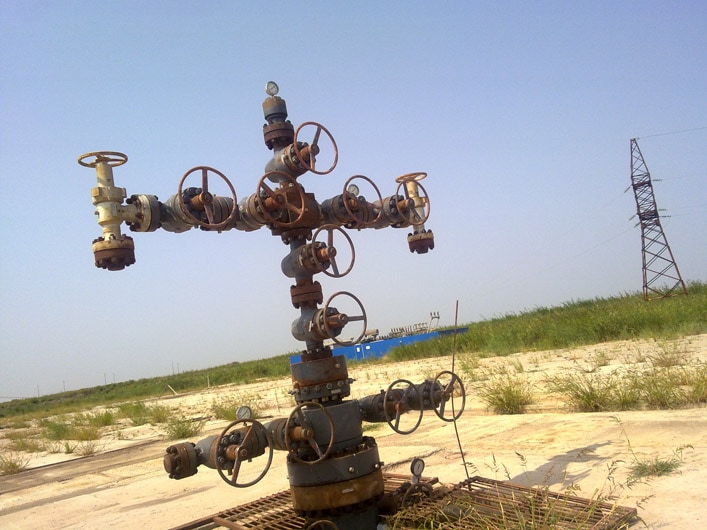
A wellhead technician works on some of the most important pressure containing equipment at an oil or gas well.
The work can begin while the well is being drilled and continue through completions, production, workovers, and eventually abandonment.
The equipment changes during those stages.
The pressure changes.
The crews around the well change.
But one responsibility remains constant.
The well has to stay under control.
That makes wellhead work far more important than simply bolting valves together.
What Is a Wellhead?
The wellhead is the surface equipment connected to the casing strings in a well.
It supports casing, seals annular spaces, provides pressure access, and creates the foundation for additional pressure control equipment.
Depending on the stage of the well, the equipment above it may include:
Casing heads
Casing spools
Tubing heads
Hangers
Packoff seals
Gate valves
Production trees
Frac trees
Chokes
Pressure connections
The exact design depends on the well.
What Does a Wellhead Technician Actually Do?
A wellhead technician installs, removes, services, tests, and repairs wellhead and valve equipment.
That can involve both shop and field work.
Typical responsibilities include:
Assembling wellhead equipment
Preparing equipment for location
Installing components at the well
Servicing gate valves
Lubricating valves
Replacing seals
Pressure testing assemblies
Troubleshooting leaks
Removing equipment during workovers
Installing different equipment for completions or production
Maintaining service records
The work is mechanical, but pressure control knowledge is just as important as wrenching ability.
What Does a Technician Do During Drilling?
As the well is drilled and additional casing strings are installed, the wellhead system evolves.
Casing needs to be suspended and sealed.
Different spools and hangers may be installed.
The technician works with the drilling crew and operator to ensure the correct equipment is prepared and installed.
Measurements and equipment identification matter.
Installing the wrong seal or component can create expensive delays.
What Is a Casing Head?
A casing head is a heavy pressure containing component installed near the top of the well.
It provides a place to suspend casing and seal the annular space.
Additional wellhead components can then be installed above it as the well progresses.
Although it looks like a large steel fitting, it forms part of the pressure barrier system for the well.
What Is a Tubing Head?
After the well is completed, production tubing may be installed inside the casing.
The tubing head provides support and sealing for the production tubing arrangement.
It also provides access to the annular space between tubing and casing.
The equipment above the tubing head can form part of the production tree.
Does a Wellhead Technician Work on Christmas Trees?
Yes.
Many wellhead service companies also install and service production tree equipment.
The tree controls access to the producing tubing and can include:
Master valves
Wing valves
Swab valves
Chokes
Pressure connections
Other control equipment
A technician may assemble, test, install, service, or remove these components depending on the job.
What Is a Frac Tree?
During hydraulic fracturing, the surface equipment must handle high pressure pumping operations.
A frac tree provides the high pressure valves and flow path required at the top of the well during stimulation.
The wellhead service crew may support installation, testing, maintenance, and removal of this equipment.
Frac operations can involve abrasive fluid, sand, high pressure, and repeated valve cycles.
Equipment condition is therefore closely monitored.
Why Is Pressure Testing Such a Big Part of the Job?
Wellhead equipment forms a pressure barrier.
A connection that looks correct can still leak.
Pressure testing verifies the integrity of assembled equipment before it is placed into service or exposed to the next operating condition.
Technicians may work with hydrostatic testing in the shop and field pressure tests at location.
The test procedure depends on equipment ratings, company requirements, and the operation being performed.
People stay clear of pressurized equipment because stored energy can make a failure extremely dangerous.
What Does a Wellhead Technician Do When a Valve Leaks?
First, the type and location of the leak need to be understood.
A valve might leak through its sealing surfaces.
A stem seal may leak.
A connection may leak externally.
Grease systems may not be functioning correctly.
The appropriate response depends on the valve design and well condition.
Technicians may perform servicing, lubrication, seal replacement, repair, or equipment replacement.
Work on a live pressured well requires proper isolation and pressure control procedures.
Why Do Wellhead Valves Need Greasing?
Some gate valves use specialized grease or sealant systems as part of maintenance and sealing.
Regular servicing can help preserve valve operation and sealing performance.
But adding grease is not a universal solution for every leaking valve.
The technician needs to understand the valve design, condition, and approved maintenance procedure.
Repeatedly forcing material into a damaged valve does not repair the underlying mechanical problem.
What Tools Does a Wellhead Technician Use?
The job can involve:
Hydraulic torque equipment
Hand tools
Pressure test equipment
Grease pumps
Lubricators
Lifting equipment
Picker trucks
Pneumatic tools
Measuring equipment
Service vehicles carry a surprising amount of specialized gear.
Technicians also need the correct replacement seals, valve parts, and fittings for the specific wellhead system being serviced.
Why Are Torque Procedures Important?
Large wellhead connections need to be assembled correctly.
Too little tightening can compromise sealing.
Improper tightening can also damage components or create uneven loading.
Technicians use approved procedures and calibrated tools where required.
Guessing based on feel is not acceptable for critical pressure containing equipment.
Is a Wellhead Technician the Same as a Valve Technician?
There is overlap.
A valve technician may focus mainly on inspection, repair, testing, and maintenance of valves.
A wellhead technician works with the larger wellhead system and its installation through different phases of the well.
Wellhead technicians often service gate valves, so valve knowledge is an important part of the role.
Is a Wellhead Technician the Same as a Lease Operator?
No.
A lease operator generally looks after producing wells and production facilities on an ongoing basis.
A wellhead technician is usually a specialist called to install or service specific wellhead equipment.
The lease operator may identify a problem.
The wellhead service company may then send a technician to perform the specialized work.
Is a Wellhead Technician the Same as a Floorhand?
No.
A floorhand works as part of the drilling rig crew.
A wellhead technician is usually employed by a pressure control or wellhead service company.
The two may work beside each other during wellhead installation, but their responsibilities are different.
What Is the Work Schedule Like?
Wellhead service is often driven by drilling and completion schedules.
The rig may be ready for the next piece of wellhead equipment at night.
A frac operation may require support over the weekend.
A producing well may develop a valve problem unexpectedly.
Field technicians can therefore experience:
Callouts
Long shifts
Waiting on other crews
Travel
Remote work
Night work
Periods of heavy activity
A person who wants a perfectly predictable office schedule may not enjoy wellhead field service.
How Physical Is the Job?
It is hands on work.
Technicians work around large steel equipment, tools, service trucks, well cellars, valves, and lifting equipment.
Modern lifting devices reduce some manual handling, but workers still climb, kneel, handle tools, work outside, and deal with weather.
The job also demands mental attention.
A mechanically simple task can still involve serious pressure hazards.
Can You Become a Wellhead Technician With No Experience?
Some companies hire and train mechanically inclined workers.
Other positions ask for previous oilfield experience.
Current wellhead service postings commonly emphasize:
Mechanical aptitude
Safety awareness
Driver licensing
Ability to work independently
Field travel
Problem solving
Previous wellhead or oilfield service experience is an advantage, but it is not always mandatory for junior positions.
What Certifications Are Useful?
Requirements vary by country and employer.
In western Canada, employers may look for safety training relevant to field access, first aid, hydrogen sulfide awareness, fall protection, and other local requirements.
Driving qualifications can also matter.
Crane or picker experience may be valuable for some positions.
Do not collect random certifications simply because someone online said you need them.
Look at actual employers in the region where you intend to work.
What Makes Someone Good at Wellhead Service?
The best technicians are not simply strong.
They are careful.
They confirm equipment.
They check pressure.
They inspect seals.
They keep track of parts.
They understand valve position.
They communicate clearly with the company representative and other crews.
They know when something does not look right.
A rushed technician working on pressure containing equipment is a liability.
Why Is Documentation Important?
Wellhead equipment may remain in service for years.
The company needs to know:
What was installed
When it was installed
What was tested
What pressure it was tested to
What parts were replaced
What maintenance was performed
What problems were observed
Accurate service records can become important during future workovers or troubleshooting.
Field paperwork may feel less interesting than mechanical work, but it is part of the job.
What Are the Main Hazards?
Some of the most serious hazards involve:
Stored pressure
Unexpected well flow
Heavy equipment
Suspended loads
Pinch points
Well cellars
Hydrogen sulfide
High pressure pumping
Vehicle movement
Safety guidance for well servicing repeatedly emphasizes controlling pressure and keeping personnel away from hazardous pressurized equipment during testing.
A wellhead may look completely still while containing enormous stored energy.
What Can a Wellhead Technician Move Into Later?
Wellhead experience can lead toward:
Senior field service
Frac support
Valve service
Pressure control
Well intervention
Field supervision
Service coordination
Operations management
Sales
Technical support
The role gives workers direct experience with equipment used through much of the life of a well.
That experience can be valuable across several oilfield service sectors.
What Should You Know Before a Wellhead Technician Interview?
Understand the basic purpose of:
Casing
Tubing
Wellheads
Production trees
Gate valves
Pressure testing
You do not need to pretend you already know everything.
For an entry position, employers are often more interested in whether you can work safely, learn mechanical systems, follow procedures, travel, and handle field schedules.
Saying that pressure should always be verified before opening equipment is far more useful than trying to impress the interviewer with terminology you do not understand.
Frequently Asked Questions
What does a wellhead technician do?
A wellhead technician installs, tests, maintains, repairs, and removes wellhead and valve equipment used during drilling, completions, production, and well servicing.
Is wellhead technician an entry level job?
Some companies hire junior technicians with strong mechanical ability and train them, while other positions require previous oilfield experience.
Do wellhead technicians work on drilling rigs?
They often travel to drilling locations to install or service wellhead equipment, but they are normally employed by a specialized service company rather than the drilling contractor.
Do wellhead technicians work during hydraulic fracturing?
Yes. Wellhead service companies can support frac trees, valves, manifolds, and related pressure control equipment during completion operations.
Is a wellhead technician the same as a lease operator?
No. A lease operator manages producing wells and facilities. A wellhead technician specializes in wellhead and pressure control equipment.
Is the job dangerous?
It can involve serious pressure, lifting, driving, and oilfield hazards. Following pressure control and equipment procedures is essential.
Do wellhead technicians need mechanical experience?
Mechanical aptitude is extremely useful because the job involves valves, seals, fasteners, pressure equipment, tools, and troubleshooting.
What is the work schedule like?
Schedules vary, but callouts, nights, weekends, travel, and long field days are common in service work.
Can wellhead experience lead to other oilfield jobs?
Yes. Technicians can move into pressure control, frac support, valve service, well intervention, supervision, technical support, or service management.
What is the most important skill for a new wellhead technician?
Careful mechanical work combined with respect for pressure. Speed comes later.