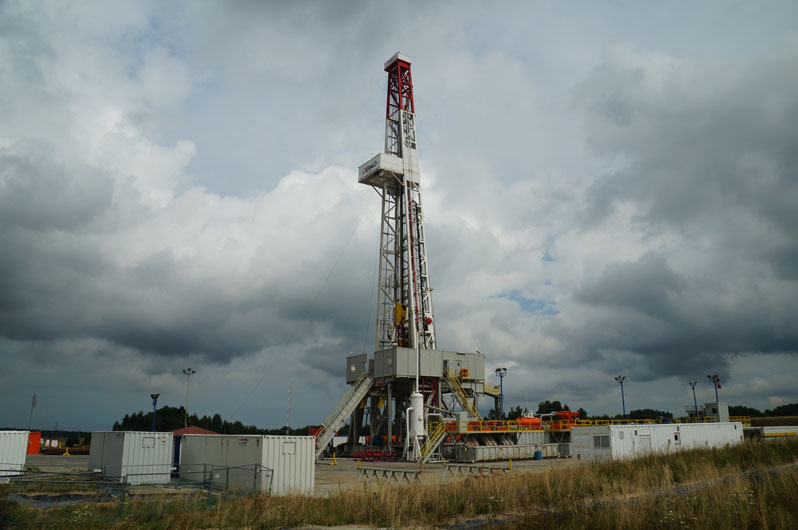
A vacuum truck driver in the oilfield does much more than drive a truck.
In fact, on some jobs driving may be one of the smallest parts of the shift.
You may spend hours running hoses, vacuuming drilling fluid, cleaning tanks, removing produced water, emptying sumps, cleaning rig equipment, hauling waste, unloading at disposal facilities, and helping the crew keep the location clean.
The truck is essentially a large mobile industrial vacuum system.
It can remove liquids, sludge, mud, sand, oily water, and certain other materials from places where pumps or normal drainage systems are not practical.
Vacuum trucks are used almost everywhere in oil and gas.
You will see them around drilling rigs, production facilities, pipelines, refineries, oil sands operations, tank farms, gas plants, maintenance projects, and industrial cleaning jobs.
For someone looking for an oilfield driving job, vacuum truck work can be a practical way into the industry.
Just understand one thing before applying.
You are not applying for a job where you sit in the driver’s seat all day.
What Is a Vacuum Truck?
A vacuum truck is a heavy truck equipped with a tank and a powerful vacuum system.
The vacuum system lowers pressure inside the tank.
Atmospheric pressure then pushes material through the suction hose and into the tank.
The truck can collect liquids and certain solids depending on its design.
Once the tank contains the material, the operator transports it to an approved disposal, processing, treatment, or transfer location.
The truck may then unload and return for another load.
What Does a Vacuum Truck Driver Actually Do?
The operator is responsible for both the truck and the vacuum equipment.
Typical work can include:
Driving to the jobsite
Completing vehicle inspections
Attending safety meetings
Positioning the truck
Connecting vacuum hose
Operating the vacuum system
Monitoring tank level
Removing liquids and debris
Cleaning equipment
Transporting waste
Unloading material
Completing paperwork
Cleaning hoses and the truck
Inspecting equipment after the job
Reporting mechanical problems
Some jobs involve several loads in one shift.
Others involve staying at one location for the entire day.
Why Are Vacuum Trucks Used in Oil and Gas?
Oilfield locations constantly generate liquids and debris that need to be moved.
Sometimes the material is in a tank.
Sometimes it is inside a cellar.
Sometimes it is at the bottom of a vessel.
Sometimes it is sitting in a ditch, sump, containment area, or rig trough.
A normal transfer pump may not work because the material is too thick, dirty, abrasive, or filled with solids.
A vacuum truck can often remove it quickly.
That flexibility makes vacuum trucks extremely useful.
What Does a Vacuum Truck Do on a Drilling Rig?
Vacuum trucks are commonly used around drilling rigs.
The exact work depends on the rig and operation.
A vac truck may remove:
Drilling fluid
Water
Mud
Tank bottoms
Cellar fluids
Wash water
Rig floor runoff
Liquids from containment areas
Other approved waste streams
On some drilling locations, the vacuum truck operator becomes closely involved with the rig crew.
You may spend significant time outside the truck helping keep troughs, tanks, and work areas clean.
This can be dirty physical work.
What Is a Rig Cellar?
The cellar is an area around the wellhead beneath the rig floor or ground level.
Water, mud, drilling fluid, and other liquids can collect there.
A vacuum truck may be called in to remove accumulated liquid.
This can require careful hose handling because the area may be tight and surrounded by other equipment.
The operator needs to know where the hose is going and what material is being vacuumed.
Do Vacuum Truck Drivers Clean Rig Troughs?
They can.
Drilling operations generate mud, cuttings, wash water, and other material that may collect in troughs or containment systems.
The vac operator may remove the liquid while workers shovel or wash material toward the suction hose.
Depending on the company, the operator may also help physically clean the area.
This is one reason vacuum truck work can feel much more like oilfield labour than conventional trucking.
What Does a Vacuum Truck Do at Producing Wells?
Producing oil and gas facilities also use vacuum trucks extensively.
Jobs can include:
Removing produced water
Cleaning tanks
Emptying containment areas
Removing separator liquids
Cleaning vessel bottoms
Removing spills
Draining equipment for maintenance
Transporting contaminated water
Removing sludge
Supporting facility shutdowns
The work can change from one call to the next.
What Is Produced Water Hauling?
Oil and gas wells often produce water along with hydrocarbons.
That water needs to be collected, treated, recycled, injected, or disposed of according to the operating system.
Vacuum trucks or tank trucks can be used to transport produced water from locations without permanent water handling infrastructure.
The operator loads the water, confirms the load, transports it to the approved destination, unloads, completes the required paperwork, and returns for another load.
Some jobs are mostly hauling.
Others involve much more vacuum work.
Do Vacuum Trucks Haul Crude Oil?
Some vacuum trucks can handle hydrocarbon products when the equipment, company procedures, regulations, and job requirements allow it.
But vacuum truck work should not automatically be confused with crude oil hauling.
A crude hauler may spend much more time loading tanks, driving, unloading, and handling product measurement.
A vacuum truck operator often performs industrial cleanup and fluid removal in addition to transportation.
The truck configuration and permitted service matter.
What Is Tank Cleaning?
Storage tanks eventually accumulate material that needs to be removed.
Tank bottoms can contain water, sediment, sludge, rust, wax, and hydrocarbon residue.
A vacuum truck may remove this material during tank cleaning or maintenance.
The work can be messy.
Thick sludge does not always flow easily through the hose.
Workers may need to use water, agitation, manual tools, or other approved methods to move the material toward the suction point.
Tank cleaning can also involve confined space hazards, so workers must follow the specific entry and cleaning procedures for the job.
Does the Vacuum Truck Driver Go Inside Tanks?
Not automatically.
Entering a tank can create confined space hazards.
Atmosphere, oxygen concentration, toxic gas, flammable vapor, entry access, rescue, isolation, and other conditions have to be controlled.
A vacuum truck operator may remain outside and operate the truck while properly trained workers perform work inside.
Some vacuum truck employees also receive confined space training and perform additional duties.
Never assume that because you are holding the vacuum hose you are allowed to enter a vessel.
What Is a Vacuum Truck Swamper?
A swamper assists the vacuum truck operator.
This can be an entry level way into the industry.
The swamper may help:
Handle hoses
Connect equipment
Clean hoses
Set up the work area
Guide the driver
Help with washing and cleanup
Move equipment
Complete general labour tasks
Learn the truck
An experienced swamper can eventually move into the operator position after obtaining the required licence, training, and company approval.
For someone without commercial driving experience, swamping can be a useful starting point.
Is Vacuum Truck Driving Mostly Driving?
Usually not.
This surprises people coming from highway trucking.
A highway driver might spend most of the shift behind the wheel.
A vacuum truck operator could drive thirty minutes to a location and then spend ten hours operating equipment.
On another day, the operator might make several trips to a disposal facility and spend much more time driving.
The job changes depending on the contract.
If you want to drive almost continuously, vacuum truck work may not be your ideal trucking job.
If you enjoy operating equipment and working outside, it may suit you much better.
How Does a Vacuum Truck Create Suction?
The truck uses a vacuum pump or blower system to remove air from the tank.
As tank pressure decreases, atmospheric pressure outside the hose pushes material toward the lower pressure area inside the tank.
People often say the truck sucks liquid into the tank.
That description is fine for everyday conversation.
Technically, the pressure difference is what moves the material.
The stronger and more efficient the vacuum system, the greater its ability to move material under suitable conditions.
Does the Material Pass Through the Vacuum Pump?
Normally the system is designed so collected material enters the debris tank rather than passing directly through the vacuum equipment.
Liquid entering the vacuum pump or blower can damage equipment.
Vacuum trucks therefore use systems intended to prevent tank contents from reaching components that should only handle air or gas.
Operators need to monitor tank level carefully.
Overfilling a tank can become much more serious than simply spilling a little liquid.
Why Is Tank Level So Important?
The operator has to know when the tank is approaching its safe capacity.
Continuing to vacuum after the tank is full can send liquid into areas of the vacuum system where it does not belong.
This can damage equipment and create a release.
The truck may have level indicators and protective devices, but the operator still needs to pay attention.
Do not rely completely on one instrument.
Understand what the truck sounds and behaves like during normal loading.
What Happens When the Vacuum Tank Is Full?
The operator stops loading and secures the system.
Hoses are drained or handled according to procedure.
The truck may then transport the material to an approved unloading location.
The destination depends on what is in the tank.
Produced water might go to a disposal facility.
Industrial waste may go somewhere completely different.
The operator must know exactly what was loaded.
You cannot simply take an unknown load to whichever disposal location is closest.
How Does a Vacuum Truck Unload?
The unloading method depends on the truck and material.
Some trucks can discharge using gravity.
Some can use pressure or other unloading systems.
Thick material can be more difficult to remove than water.
The operator positions the truck correctly, connects the required hose where applicable, follows the receiving facility procedure, and monitors the unloading process.
Never assume unloading is automatically safer than loading.
The tank may still contain hazardous vapors and stored energy.
Can Vacuum Trucks Be Pressurized?
Some vacuum trucks are designed for controlled pressure unloading within their rated limits and operating procedures.
That does not mean the tank is an ordinary high pressure vessel.
Operators need to understand the specific truck they are using.
Improper pressurization can be extremely dangerous.
Never bypass protection devices or exceed the manufacturer’s operating limits in an attempt to unload faster.
Why Is Hose Handling Such a Big Part of the Job?
Vacuum hose is heavy.
It can also contain liquid.
Long sections become tiring to move.
The hose may need to be dragged through mud, snow, gravel, or around equipment.
Large hose can require more than one worker to handle safely.
Operators learn how to position the truck so they do not create unnecessary hose distance.
Parking ten metres closer can make an enormous difference when you have to move heavy suction hose repeatedly.
Can a Vacuum Hose Collapse?
Yes.
Vacuum hose needs to be designed for suction service.
Ordinary hose may collapse under vacuum.
Damage, wear, or incorrect hose selection can also cause problems.
The operator inspects hose condition and fittings before use.
A failed hose can stop the job and potentially release contaminated material.
Why Are Vacuum Hoses Dangerous?
Several hazards exist.
The hose may move unexpectedly.
It can become extremely heavy when full of liquid.
Connections can separate if they are not properly secured.
Hazardous material can remain inside after the job.
Workers can place hands near suction points where they should not.
Good hose handling is therefore more important than simply dragging it to the nearest puddle.
Can the Vacuum Pull Someone Into a Hose?
A large industrial vacuum system can create substantial suction.
Workers should keep body parts away from active suction openings.
Do not use your hand to clear a blockage while the vacuum is operating.
Do not treat the end of a suction hose like an ordinary shop vacuum.
The equipment is capable of moving heavy material because significant forces are involved.
Respect those forces.
What Happens When a Vacuum Hose Plugs?
The first response is not to put your hand into it.
The operator stops or isolates the system according to procedure and determines what caused the restriction.
Possible causes include:
Large debris
Thick sludge
Frozen material
Collapsed hose
A closed valve
Material packed into a fitting
The blockage needs to be cleared safely.
Trying increasingly aggressive methods while the system remains under vacuum can create a dangerous release when the plug suddenly moves.
Can Vacuum Trucks Pick Up Solids?
Certain vacuum trucks can handle solids and sludge.
The capability depends on the truck design.
Dry industrial vacuum units can handle materials very different from those handled by a normal liquid vacuum truck.
Never assume a truck can safely vacuum a material simply because it fits through the hose.
The material can affect tank loading, filtration, unloading, weight, chemical compatibility, and disposal requirements.
What Is the Difference Between a Vacuum Truck and a Hydrovac?
A vacuum truck primarily removes material using suction.
A hydrovac combines vacuum with high pressure water excavation.
Hydrovac crews use pressurized water to break up soil while the vacuum system removes the resulting slurry.
This allows workers to expose buried pipelines, cables, and other utilities with less mechanical digging near the infrastructure.
A person who dislikes hydrovac work may still enjoy conventional vacuum truck work because the day to day duties can be quite different.
What Is the Difference Between a Vacuum Truck and a Combo Unit?
A combo unit combines vacuum capability with high pressure water equipment.
It can vacuum material and also perform washing or cleaning.
Combo units are useful for industrial cleaning, sewer work, tanks, pits, and process equipment.
Job titles vary between companies.
Always ask what type of truck you will actually operate.
Vacuum truck operator can describe several different equipment configurations.
Do Vacuum Truck Drivers Wash Equipment?
Frequently.
Cleaning is a large part of the job.
Vacuum hoses become dirty.
Tanks need cleaning.
Truck exteriors become coated in mud.
Connections need to be kept usable.
Certain loads require more thorough cleaning before the truck can be used for another service.
A driver who hates cleaning equipment may not enjoy vacuum truck work.
The truck earns money by getting dirty.
Someone still has to clean it.
Is Vacuum Truck Work Dirty?
Yes.
Sometimes extremely dirty.
You may deal with drilling mud, oily water, sludge, tank bottoms, produced water, contaminated soil, and industrial waste.
Even when you work carefully, clothing and gloves can become dirty.
Good companies provide appropriate procedures and protective equipment for the materials being handled.
But this is not a clean trucking job.
Anyone applying should understand that before the first shift.
Does Vacuum Truck Work Smell Bad?
Sometimes.
Produced fluids, tank bottoms, wastewater, drilling fluids, and industrial waste can have strong odors.
Some smells are simply unpleasant.
Others can indicate hazardous gases.
Never use smell as your safety detector.
Hydrogen sulfide is a particularly important oilfield hazard because smell is not a reliable warning.
Use the required gas detection and site procedures.
What Is H2S and Why Does It Matter?
H2S means hydrogen sulfide.
It can occur naturally in oil and gas operations.
It is toxic and can be deadly.
Vacuum truck operators can be exposed when working around tanks, pits, vessels, produced water, or sour production equipment.
Opening a tank or disturbing liquid can release gas.
Vacuum operations can also move vapors.
This is why H2S training and gas awareness are important in many oilfield vacuum truck jobs.
Can a Vacuum Truck Create Static Electricity?
Movement of certain materials through hoses can contribute to static electricity.
When flammable products or vapors are involved, ignition control becomes extremely important.
Bonding, grounding, hose selection, operating procedures, and equipment requirements depend on the material and operation.
The operator should follow the approved procedure for the specific product being handled.
Never assume every liquid can be vacuumed using the same setup.
Can a Vacuum Truck Cause a Tank to Collapse?
Potentially, if vacuum is applied to equipment that is not designed to withstand it.
This is a serious concern when removing material from tanks or vessels.
A vacuum truck can pull much harder than some atmospheric storage equipment can tolerate.
Operators need to understand where air will enter as liquid leaves.
If a tank is sealed and liquid is removed, vacuum can develop inside the tank.
The consequences can include structural damage.
Do not connect powerful vacuum equipment to a tank without understanding the approved procedure.
Why Does Venting Matter During Tank Vacuuming?
As liquid leaves a tank, something needs to replace the volume.
Usually that is gas or air entering through a controlled path depending on the process.
If the tank cannot breathe properly, internal pressure can fall.
Atmospheric pressure outside the tank then pushes inward.
Large tanks can be damaged by surprisingly small pressure differences.
This is one reason vacuum work should never be treated as simply connecting a hose and turning the truck on.
What Is a Pre Trip Inspection?
Before driving, the operator inspects the truck and required equipment.
This can include items such as:
Tires
Lights
Brakes
Air system
Fluid levels
Hoses
Connections
Vacuum equipment
Tank condition
Safety equipment
Emergency equipment
Any deficiencies should be dealt with according to company requirements.
A vacuum truck is both a commercial vehicle and industrial equipment.
Both sides need attention.
Do Vacuum Truck Drivers Perform Maintenance?
Operators normally perform basic inspections and minor service appropriate to their role.
They may grease equipment, clean filters, inspect hoses, check fluids, identify leaks, and report mechanical problems.
Major repairs are usually handled by qualified mechanics.
Mechanical awareness is valuable because the operator spends every day with the truck.
You often notice small changes before anyone else does.
A new noise or vibration should not be ignored simply because the truck still moves.
What Paperwork Does a Vacuum Truck Driver Complete?
There can be a surprising amount.
Depending on the company and load, paperwork can include:
Driver logs
Time records
Pre trip inspections
Post trip inspections
Load tickets
Disposal tickets
Waste information
Job safety documents
Customer tickets
Maintenance reports
Field level hazard assessments
Transportation documents
Accurate paperwork matters because the company needs to know what material moved, where it came from, where it went, and how much work was performed.
Customers may also be billed using your tickets.
Do Vacuum Truck Operators Need a Commercial Driver’s Licence?
Yes when the truck falls into the applicable commercial vehicle class.
In Alberta, many oilfield vacuum truck positions seek drivers with a Class 3 or Class 1 licence depending on the equipment.
A Class 3 licence covers many large single vehicle configurations.
A Class 1 licence allows the driver to operate a broader range of commercial combinations.
The exact licence you need depends on the vehicle you will operate.
Check the employer’s requirements before paying for training.
What Is the Q Endorsement?
In Alberta, a Q endorsement is required to operate vehicles equipped with air brakes.
Heavy vacuum trucks commonly use air brake systems.
Drivers complete approved air brake training and testing to obtain the endorsement.
If your goal is oilfield truck work, air brake qualification is extremely useful.
Always verify the licensing requirements for the specific truck and province where you plan to work.
Is Class 1 Better Than Class 3 for Vacuum Truck Work?
Class 1 gives you more options.
A person with Class 1 can qualify for jobs involving tractor trailer combinations in addition to many straight truck roles.
Class 3 can still be enough for many vacuum truck positions.
If your only goal is operating certain straight body vacuum trucks, Class 3 may provide a faster route.
If you want a broader oilfield trucking career later, Class 1 can open additional opportunities in hauling and transport.
The best choice depends on your budget and long term plan.
What Safety Tickets Do Vacuum Truck Drivers Need?
Requirements vary by employer and worksite.
Oilfield vacuum operators are commonly expected to have safety training appropriate to the locations where they work.
Depending on the job, this can include H2S training, first aid, site orientation, dangerous goods training, confined space training, and other required courses.
Do not buy every oilfield ticket before applying.
Look at actual positions in your region and determine which qualifications appear repeatedly.
Some employers will provide certain training after hiring.
Do You Need Experience to Drive a Vacuum Truck?
Some employers want previous vacuum truck or oilfield driving experience.
Others hire workers with commercial driving experience and train them on the vacuum equipment.
Another route is starting as a swamper.
The difficulty for new commercial drivers is that many employers want someone who can work independently immediately.
Vacuum truck operation involves much more than driving, so companies can be cautious about placing an inexperienced worker alone on a remote site.
Getting your first opportunity is often the hardest part.
How Do You Get Your First Vacuum Truck Job With No Experience?
Apply anyway when a posting says experience is preferred rather than absolutely required.
Look for companies advertising for swampers or junior operators.
Emphasize any experience involving:
Commercial driving
Heavy equipment
Industrial work
Oilfield work
Mechanical equipment
Tank cleaning
Hydrovac
Construction
Waste hauling
Farm equipment
Winter driving
Shift work
A clean driver’s abstract helps.
So does being willing to work remote locations and irregular schedules.
If you can prove that you are reliable and mechanically capable, a company may be more willing to train you.
Is Swamping the Best Way to Start?
It can be one of the easiest ways to learn.
You work beside an experienced operator.
You learn hose handling.
You learn how the vacuum system behaves.
You learn loading and unloading procedures.
You see disposal facilities.
You learn rig and production site rules.
You can also decide whether you actually like the work before investing heavily in additional licensing.
The downside is that swamping can be physically demanding and usually pays less than operating the truck independently.
What Is the Work Schedule Like?
Oilfield vacuum truck schedules vary widely.
Some operators are home every night.
Others work remote rotations and stay in camp.
Some are on call.
Some work drilling rigs where the truck may remain assigned to the same location.
Others move continuously between customer jobs.
Long shifts are common.
Twelve hour days are not unusual in remote oilfield operations.
Weather, travel, customer delays, disposal lineups, and unexpected jobs can all extend the day.
Do Vacuum Truck Drivers Work Nights?
Yes.
Oil and gas operations continue around the clock.
Drilling rigs run overnight.
Production facilities can have problems at any hour.
Major industrial shutdowns can use both day and night crews.
Some jobs use fixed night shifts.
Others involve callouts.
If you want a strict daytime schedule, ask about it before accepting the job.
Do Vacuum Truck Drivers Stay in Camp?
Some do.
Remote drilling, oil sands, pipeline, and industrial projects may provide camp accommodation.
The operator works the scheduled rotation and stays in camp between shifts.
Other jobs are based from a local shop and workers return home every night.
Camp positions can allow you to work far from where you live.
They also mean being away from home for long periods.
Is Vacuum Truck Work Good for Someone’s First Oilfield Job?
It can be.
You get exposure to many parts of oil and gas.
You may work around drilling rigs, production equipment, tanks, pipelines, disposal facilities, and maintenance crews.
You learn site safety quickly.
You also build commercial driving and equipment operating experience.
The job can lead into other oilfield trucking positions later.
The main question is whether you are comfortable with dirty physical work.
If you want a clean driving job where most of the day is spent in the cab, vacuum truck work can be a surprise.
Is Vacuum Truck Work Physically Hard?
It can be.
Handling heavy hose repeatedly takes effort.
You may work in mud, snow, heat, cold, and rain.
Tank cleaning can involve shoveling and washing.
You may climb on equipment where approved.
You may spend long periods standing.
Then you still have to drive safely afterward.
Being physically capable is useful, but technique matters too.
Use help and mechanical assistance when loads are too heavy.
Destroying your back to prove you can move a hose alone does not make you a better operator.
What Are the Biggest Hazards?
Vacuum truck work combines driving hazards with industrial hazards.
Important risks can include:
Vehicle collisions
Rollovers
Hydrogen sulfide
Flammable vapor
Static electricity
Vacuum forces
Pressurized equipment
Heavy hoses
Confined spaces
Chemical exposure
Spills
Slips and falls
Traffic around worksites
Extreme weather
Stored pressure
Operators need to think about both the truck and the process connected to it.
The most dangerous moment may occur while the truck is parked.
Why Are Rollovers a Concern?
Tank trucks carry liquid loads that can move.
That movement changes vehicle handling.
Road conditions around oilfield sites can also be poor.
Drivers may encounter narrow roads, soft shoulders, steep grades, ice, mud, and heavy traffic.
Slow down.
A schedule is never worth rolling a truck.
Driving safely with a partially filled tank requires respect for how the load affects the vehicle.
Why Is Weight Important?
A vacuum truck can exceed allowable weight if the operator loads material without considering its density.
Water is heavy.
Sludge can be heavier.
Solids can add substantial weight quickly.
A tank being physically capable of holding more volume does not automatically mean the truck can legally carry that much material.
Operators need to understand the vehicle’s load limits.
Can You See How Much Material Is in the Tank?
Vacuum trucks use different methods to indicate tank contents.
The operator needs to understand the system on their particular unit.
Do not assume every load weighs the same just because the tank level appears similar.
Material density matters.
The truck also has axle and gross vehicle weight limits.
Loading is therefore both a volume and weight issue.
What Is a Disposal Facility?
Oilfield fluids and waste need to go to approved destinations.
A disposal facility may accept certain produced fluids, wastewater, or other approved materials.
The operator checks in, follows facility instructions, unloads, obtains the appropriate documentation, and leaves.
Not every facility accepts every material.
A driver needs to know what is in the tank before arriving.
Mixing incompatible or unacceptable waste streams can create serious problems.
What Happens If You Vacuum the Wrong Material?
This can become a major issue.
The material could damage the truck.
It could react with residue already in the tank.
It could create dangerous vapor.
The disposal facility might reject the load.
The truck might require special cleaning.
That is why operators should confirm what they are loading before starting.
If the customer cannot clearly identify the material, do not simply assume it is water.
What Is Cross Contamination?
Cross contamination occurs when residue from one load contaminates another.
Imagine carrying oily waste and then using the same tank for a material that needs to remain uncontaminated.
Residue can create problems.
Some services require specific cleaning between loads.
The operator needs to follow company procedures and know the truck’s previous service.
Clean does not always mean the same thing for every customer.
What Does a Good Vacuum Truck Operator Do Differently?
A good operator thinks ahead.
They park where the hose run makes sense.
They confirm what they are vacuuming.
They inspect the area before starting.
They monitor tank level.
They keep track of hose condition.
They understand the disposal destination.
They complete paperwork correctly.
They notice mechanical problems early.
They do not create spills because they are rushing.
They also help the customer without letting pressure from the customer push them into unsafe work.
What Makes a Bad Vacuum Truck Operator?
Poor habits become obvious quickly.
Examples include:
Arriving late
Not inspecting the truck
Dragging damaged hoses into service
Overfilling the tank
Ignoring leaks
Driving too fast on lease roads
Guessing what is in a tank
Losing load paperwork
Leaving a mess
Refusing to help with hose work
Ignoring mechanical problems
Taking shortcuts around pressure or hazardous gas
A vacuum truck operator often works with little direct supervision.
That makes personal discipline important.
Does the Job Pay Well?
Vacuum truck compensation varies considerably with location, experience, licence class, equipment type, schedule, overtime, and whether the work is local or remote.
Oilfield jobs can produce strong annual earnings when operators work long shifts and substantial overtime.
But headline earnings do not tell the whole story.
Ask:
How many hours are guaranteed?
Is overtime paid?
Is travel paid?
Is camp provided?
Are meals provided?
Are you paid while waiting?
Is the position seasonal?
How long are rotations?
A high day rate can mean something very different if the job only operates part of the year.
Can Vacuum Truck Experience Lead to Other Jobs?
Yes.
The experience can help you move toward:
Crude oil hauling
Produced water hauling
Hydrovac operation
Combo unit operation
Pressure truck work
Tank truck work
Hot oil work
Industrial cleaning
Pipeline service
Oilfield supervision
Dispatch
Field operations
Obtaining a Class 1 licence can expand those options further.
You also build oilfield site experience, which can make future employers more comfortable hiring you.
What Should You Know Before a Vacuum Truck Interview?
Understand that the job involves much more than driving.
Be prepared to discuss:
Commercial driving
Working long hours
Working outside
Hose handling
Mechanical aptitude
Remote work
Safety
H2S awareness
Working independently
Cleaning equipment
Paperwork
Customer communication
If you tell the interviewer that you only want to drive and do not want to handle hoses, you are probably applying for the wrong position.
What If You Have Never Operated a Vacuum System?
Say so.
Do not pretend.
Explain the equipment you have operated and how you approach unfamiliar machinery.
A strong new operator learns the truck under supervision before working alone.
Understand the controls.
Understand the tank protection system.
Learn how loading and unloading work.
Learn the emergency shutdown procedure.
Learn what the truck can and cannot safely handle.
Being honest about your experience is far safer than trying to look experienced around powerful industrial equipment.
What Should You Do on Your First Day?
Listen to the experienced operator.
Learn the truck before worrying about speed.
Find out where the emergency controls are.
Learn the hose connections.
Learn how tank level is monitored.
Understand the unloading system.
Find out how the vacuum equipment is protected.
Ask what materials the truck normally handles.
Learn the paperwork.
Watch how the operator positions the truck.
Small habits save large amounts of time.
The experienced worker who parks in exactly the right place usually has a reason.
Frequently Asked Questions
What does a vacuum truck driver do in the oilfield?
A vacuum truck driver operates a heavy truck equipped with a vacuum system to remove, transport, and unload liquids, sludge, mud, produced water, and other approved materials from oil and gas locations.
Is a vacuum truck driver mostly a truck driver?
Not necessarily.
Many jobs involve far more equipment operation, hose handling, cleaning, and labour than actual driving.
What does a vac truck do on a drilling rig?
It can remove drilling fluid, water, mud, liquids from cellars, tank bottoms, wash water, and other material generated around the rig.
Do vacuum truck drivers haul produced water?
Yes. Produced water hauling is a common oilfield service.
Is vacuum truck work dirty?
Yes. Depending on the job, operators can work with mud, sludge, oily water, tank bottoms, and other dirty materials.
Is vacuum truck work physically demanding?
It can be. Large hoses are heavy and operators may spend long periods working outside.
What is a vacuum truck swamper?
A swamper assists the operator with hoses, equipment setup, cleaning, and general labour while learning how the truck operates.
Can you start as a swamper with no experience?
Some companies hire inexperienced workers as swampers and train them in vacuum truck operations.
What driver’s licence do you need in Alberta?
Many vacuum truck positions require a Class 3 or Class 1 commercial licence depending on the truck.
Do you need an air brake endorsement in Alberta?
If the vehicle uses air brakes, the driver needs the applicable Q endorsement.
Is Class 1 better than Class 3?
Class 1 provides more commercial driving options. Class 3 can still be suitable for many straight body vacuum truck jobs.
Do you need H2S training?
Many oil and gas employers require H2S training for work around sour oil and gas operations.
Do vacuum truck drivers work in camps?
Some do. Remote oilfield and industrial projects may use camp rotations.
Do vacuum truck operators work twelve hour shifts?
Long shifts are common in oilfield operations, including twelve hour schedules on many remote projects.
Do vacuum truck drivers work nights?
Yes. Drilling, production, industrial maintenance, and emergency cleanup can operate around the clock.
Can a vacuum truck carry solids?
Some units are designed to handle sludge and certain solids. The capability depends on the truck.
What is the difference between a vacuum truck and a hydrovac?
A vacuum truck primarily uses suction to remove material. A hydrovac also uses high pressure water to excavate soil.
Can a vacuum truck damage a storage tank?
Improper vacuuming can potentially create damaging vacuum inside equipment that is not designed for it. Correct venting and operating procedures are essential.
Is vacuum truck work dangerous?
It can involve commercial driving, hazardous gas, vacuum forces, flammable material, heavy hoses, pressure, confined spaces, spills, and industrial equipment.
Is vacuum truck work a good first oilfield job?
It can be a useful entry into oil and gas for someone who likes trucks, equipment, outdoor work, and hands on tasks.
What is the biggest misconception about vacuum truck driving?
That the job is mostly driving.
The truck may get you to the location, but much of your shift can be spent outside the cab operating the vacuum system, handling hose, cleaning equipment, and working directly with the oilfield crew.