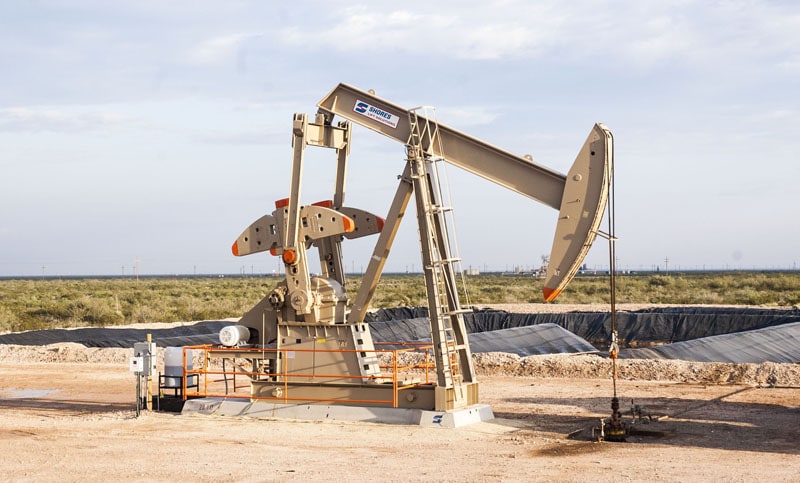
Natural gas does not move from a well to a processing plant or transmission pipeline by itself.
As gas travels through gathering systems, pressure falls because of friction, elevation changes, processing equipment, and distance.
Compressors restore that pressure.
When a compressor stops, an entire group of wells can eventually be affected.
That makes the people who maintain compression equipment extremely important.
Natural gas compressor mechanics inspect, service, troubleshoot, repair, rebuild, and commission the engines and compressors used to move gas through oil and gas facilities.
The work combines diesel mechanic skills, industrial mechanics, instrumentation, electrical troubleshooting, process knowledge, and field operations.
For someone who enjoys engines and mechanical troubleshooting, it can be one of the more specialized career paths in the oil and gas industry.
What Is a Natural Gas Compressor Mechanic?
A natural gas compressor mechanic works on compression packages used in natural gas production, gathering, processing, storage, and transportation.
Depending on the employer, the job may also be called:
Natural gas compression technician
Compressor technician
Field service technician
Gas compressor mechanic
Compression mechanic
Engine and compressor technician
The exact title matters less than the equipment being serviced.
A mechanic may be responsible for both the compressor and the engine that drives it.
Why Are Compressors Needed in Natural Gas Operations?
Gas flows from higher pressure toward lower pressure.
As a reservoir declines, well pressure can eventually become too low to push enough gas through the gathering system.
Compression reduces the pressure the well has to overcome while increasing gas pressure for the next part of the system.
Compression is also used between processing stages and along major pipeline systems.
Without compressors, many gas wells would become uneconomic long before the reservoir stopped containing gas.
What Equipment Does a Compressor Mechanic Work On?
A compressor package is much more than the compressor itself.
The mechanic may work around the engine, compressor cylinders, lubrication system, cooling system, ignition equipment, fuel system, suction scrubbers, valves, piping, control panel, shutdown devices, and instrumentation.
Larger facilities may divide these responsibilities between several trades.
At remote field locations, the compressor technician often needs broad knowledge because there may not be another specialist standing nearby.
What Type of Compressors Are Common in Oil and Gas?
Reciprocating compressors are extremely common in natural gas gathering and production service.
They use pistons moving inside cylinders to compress gas.
The basic principle is similar to an engine cylinder, except the purpose is to compress process gas rather than produce mechanical power.
Oil and gas operations also use screw compressors, centrifugal compressors, and other designs.
A field mechanic specializing in gathering compression often develops particularly strong knowledge of reciprocating equipment.
What Is a Reciprocating Gas Compressor?
A reciprocating compressor uses a piston moving back and forth inside a cylinder.
Gas enters through suction valves.
The piston reduces the volume available to the gas.
Pressure rises.
Discharge valves open and allow the compressed gas to leave.
Large compressor packages may have several cylinders operating at different pressure stages.
This creates a machine with many valves, packing components, lubrication points, clearances, and moving parts that require maintenance.
What Drives the Compressor?
Many field compressor packages are driven by natural gas engines.
The engine burns some of the gas available at the facility and converts that energy into mechanical rotation.
Other compressors use electric motors.
Large pipeline and processing facilities may also use gas turbines.
A mechanic working on engine driven packages therefore has two major machines to understand.
The engine produces the power.
The compressor consumes it.
Are Natural Gas Engines Similar to Diesel Engines?
There are many similarities.
Both have pistons, connecting rods, crankshafts, bearings, lubrication systems, cooling systems, valves, and combustion.
The fuel and ignition systems are different.
A natural gas engine commonly uses spark ignition rather than diesel compression ignition.
Large industrial gas engines also have control and monitoring systems that differ from typical highway vehicles.
A diesel or heavy equipment mechanic already understands many useful mechanical principles, but still has a significant amount to learn.
What Does a Compressor Mechanic Do During a Normal Day?
A field technician may begin by reviewing the compressors assigned to the area.
Some units need scheduled maintenance.
Another may have developed an unusual vibration.
One may have shut down overnight.
Another might be approaching a major service interval.
The technician drives to the first location, reviews operating information, inspects the package, and begins the required work.
Later in the day, priorities can change completely if a critical unit trips.
The mechanic may then be sent to diagnose the failure and return the machine to reliable service.
What Is a Compressor Walk Around Inspection?
A surprising amount of troubleshooting begins by simply inspecting the machine carefully.
An experienced mechanic looks for leaks, loose parts, unusual vibration, unusual sound, damaged wiring, hot components, oil condition, coolant level, abnormal exhaust appearance, and anything else that differs from normal operation.
They may also check operating pressures and temperatures.
Machines often provide warning signs before a major failure.
The challenge is recognizing them.
What Is Preventive Maintenance on a Compressor?
Preventive maintenance is scheduled work intended to reduce unexpected failures.
Depending on the equipment and service interval, it can include oil changes, filter replacement, ignition service, valve inspection, lubrication checks, cooling system maintenance, and inspection of mechanical components.
The exact schedule comes from the manufacturer, company maintenance program, and operating history.
Good preventive maintenance does not eliminate every failure.
It reduces the number of failures caused by predictable wear and neglected service.
Do Compressor Mechanics Change Oil and Filters All Day?
Routine service is part of the job, especially for junior technicians.
But compressor work becomes much more technical as experience increases.
Experienced technicians diagnose ignition problems, excessive temperatures, abnormal vibration, compressor valve failures, oil consumption, engine performance problems, cylinder issues, control faults, emissions problems, and repeated shutdowns.
A technician who only knows how to replace filters is limited.
The valuable skill is determining why a machine is not performing correctly.
What Happens When a Compressor Trips?
The mechanic should not immediately assume the compressor itself failed.
A trip may come from the engine, compressor, process, instrumentation, or control system.
The first task is to determine what shut the unit down.
Was it low engine oil pressure?
High coolant temperature?
High compressor discharge temperature?
Excessive vibration?
A high scrubber level?
An ignition problem?
A process pressure condition?
The original shutdown information matters because many secondary alarms can appear after the machine stops.
How Do Compressor Mechanics Troubleshoot?
Good troubleshooting is systematic.
The technician begins with the actual complaint or shutdown condition.
They review pressures, temperatures, alarms, trends, and recent maintenance.
Then they inspect the relevant system and test possible causes.
Changing parts without understanding the failure can waste hours and create new problems.
The best mechanics develop the ability to connect symptoms across several systems.
A cylinder running hot may be a valve problem, an ignition problem, a loading problem, or a process problem.
Do Compressor Mechanics Work on Ignition Systems?
Yes, especially on natural gas engine driven packages.
The ignition system may include spark plugs, ignition leads, coils, timing equipment, control modules, and sensors.
Combustion quality affects engine power, temperature, emissions, and reliability.
A weak ignition component may cause misfiring that appears only under load.
Technicians often use diagnostic equipment to identify which cylinder is behaving differently from the others.
What Is Engine Tuning?
Industrial gas engines need the correct relationship between fuel, air, ignition timing, load, and other operating conditions.
Tuning aims to keep the engine operating efficiently and within acceptable temperature and emissions limits.
Modern engines increasingly use electronic controls and sensors.
This means compressor mechanics need some computer and electrical troubleshooting ability in addition to mechanical skills.
A mechanic uncomfortable with electronics will find modern compression work increasingly difficult.
Do Compressor Mechanics Work on Electronics?
Yes.
A modern compressor package can contain numerous sensors, switches, controllers, ignition modules, electronic governors, actuators, and communication systems.
The technician may need to use a multimeter, diagnostic software, wiring diagrams, or manufacturer tools.
Not every mechanic becomes an automation specialist.
But understanding basic electrical circuits and electronic controls is increasingly valuable.
What Is Compressor Valve Work?
Reciprocating compressors contain suction and discharge valves that repeatedly open and close as gas enters and leaves each cylinder.
These valves operate under demanding conditions.
A damaged valve can reduce capacity and create excessive heat.
The compressor may still run, but performance deteriorates.
Technicians may inspect, replace, or rebuild compressor valves depending on company practice and equipment design.
How Can a Mechanic Tell a Compressor Valve Is Failing?
Possible clues include abnormal valve temperature, reduced compressor capacity, unusual sound, changing pressure behavior, high discharge temperature, or differences between similar cylinders.
Diagnostic tools can help compare cylinders.
Experience also matters.
Someone who has worked on the same compressor models for years often notices subtle changes that a new technician would miss.
The goal is still to confirm the problem rather than relying entirely on intuition.
What Is Compressor Packing?
Packing creates a seal around a reciprocating compressor piston rod where it passes through the pressure containing section of the machine.
Some gas leakage is expected in certain designs, but excessive leakage indicates a problem.
Packing wear can increase emissions and reduce efficiency.
Replacing packing requires careful mechanical work because alignment, cleanliness, component condition, and correct assembly matter.
What Is a Compressor Piston Rod?
The piston rod connects the compressor piston to the mechanical drive system that moves it.
It repeatedly travels through the packing system.
Surface condition and alignment are important.
Damage or excessive wear can affect packing life and compressor reliability.
Major compressor work may include inspection and measurement of rods, pistons, cylinders, crossheads, and bearings.
What Is Compressor Clearance?
Clearance volume is the space remaining in the cylinder when the piston reaches the end of its compression stroke.
Changing clearance can affect compressor capacity and horsepower requirements.
Some reciprocating compressors use clearance devices or other methods to control capacity.
Experienced technicians need to understand how mechanical adjustments change compressor performance.
This is where compressor mechanics begin moving beyond general engine repair into true compression specialization.
Do Compressor Mechanics Perform Major Overhauls?
Some do.
A major overhaul can involve extensive disassembly of the engine or compressor.
Components may be inspected, measured, repaired, rebuilt, or replaced.
Work can include cylinder heads, pistons, liners, bearings, connecting rods, crankshaft related components, compressor cylinders, packing, valves, and other equipment.
Large overhauls may involve a dedicated shop or specialist crew.
Field mechanics often perform smaller repairs and assist during major rebuilds.
What Is Commissioning?
Commissioning is the process of preparing and testing new or rebuilt equipment before it enters normal service.
A compression technician may verify lubrication, cooling, alignment, controls, shutdowns, valve positions, instrumentation, fuel supply, and operating conditions.
The unit is then started and monitored carefully.
Pressures, temperatures, vibration, and engine performance are checked as load increases.
Commissioning is valuable experience because it forces the technician to understand how every major system fits together.
What Is a Compressor Package?
The package refers to the complete assembled compression system rather than just the compressor frame.
It can include the driver, compressor, skid, piping, coolers, scrubbers, controls, lubrication systems, and support equipment.
This is why someone can be an excellent engine mechanic and still have much to learn about gas compression.
The engine is only one part of the package.
Do Compressor Mechanics Need to Understand the Process?
Yes.
Suppose discharge temperature is high.
The mechanical components may be fine.
Low suction pressure or high discharge pressure may be creating a difficult compression condition.
Suppose a suction scrubber repeatedly fills with liquid.
The source may be an upstream separator rather than anything inside the compressor package.
A mechanic who understands gas flow and process conditions can troubleshoot far more effectively than someone who looks only at the engine.
Do Compressor Mechanics Work on Suction Scrubbers?
They may inspect and troubleshoot equipment associated with the scrubber, although responsibilities vary by company.
The scrubber removes liquid before gas enters the compressor.
If liquid reaches a reciprocating compressor cylinder, serious damage can occur.
High liquid level shutdowns are therefore important compressor protection devices.
Mechanics need to understand why the shutdown exists before trying to return a machine to service.
What Is a Compressor Cooler?
Compression increases gas temperature.
Coolers remove heat after a compression stage or before gas moves farther downstream.
Engine cooling systems also remove combustion heat from the driver.
A compressor package can therefore have substantial cooling equipment.
Fan failures, dirty cooler surfaces, damaged controls, restricted flow, or high ambient temperature can all affect package performance.
Why Do Compressor Mechanics Need to Understand Lubrication?
Large engines and compressors depend on lubrication.
Bearings, cylinders, packing systems, and other moving components may have different lubrication requirements.
Low oil pressure can destroy machinery quickly.
Too much lubrication in the wrong place can also create problems.
A technician needs to know which system supplies which component and what normal pressure, temperature, and consumption look like.
What Is Condition Monitoring?
Condition monitoring attempts to identify developing mechanical problems before a failure occurs.
Technicians may use vibration readings, temperature data, oil analysis, pressure measurements, performance trends, or specialized machinery analysis.
Instead of waiting for a bearing or valve to fail completely, the company tries to recognize deterioration early.
Experienced compression technicians can become highly skilled in machinery condition analysis.
That skill can lead to reliability and specialist roles later in a career.
Is Natural Gas Compressor Mechanic an Entry Level Job?
Some companies hire mechanically inclined candidates and train them.
Others want previous experience with diesel engines, heavy equipment, industrial maintenance, natural gas engines, or rotating equipment.
Junior employees often begin with scheduled maintenance and basic repairs while learning from experienced technicians.
The equipment is specialized enough that even an experienced automotive mechanic should expect a learning period.
Mechanical experience helps.
Compression experience still has to be developed.
Can an Automotive Mechanic Become a Compressor Technician?
Yes.
Automotive technicians already understand combustion engines, electrical troubleshooting, cooling systems, lubrication, sensors, and systematic diagnosis.
The largest learning areas are usually industrial gas engines, large reciprocating equipment, compressor process fundamentals, pressure systems, and oilfield safety.
The scale is also different.
A large compressor package is not simply a bigger pickup truck engine.
Can a Diesel Mechanic Move Into Gas Compression?
Yes.
Heavy equipment and diesel mechanics often have a useful background for compression work.
They are already familiar with large engines, mechanical systems, electrical diagnosis, service procedures, and field repairs.
They need to learn spark ignition gas engines and compressor specific equipment.
For someone already comfortable with industrial engines, the transition can make sense.
Can a Millwright Become a Compressor Mechanic?
Yes.
Industrial mechanics already understand bearings, alignment, rotating equipment, mechanical fits, measurement, rigging, and machinery maintenance.
A millwright may have stronger mechanical machinery knowledge but less experience with combustion engines.
A compression career can combine those skills with engine and process knowledge.
The ideal background depends on which equipment the employer operates.
Do You Need a Trade Certificate?
Requirements depend on location and employer.
In Alberta, Natural Gas Compression Technician is a designated trade with a formal apprenticeship path.
The apprenticeship program is structured across four periods and combines work experience with technical education requirements.
Related backgrounds such as heavy equipment technician, automotive service technician, industrial mechanic, instrumentation, and other mechanical trades can also provide useful experience.
Requirements are different in other provinces, states, and countries.
Always check the rules where you plan to work.
What Do Apprentices Learn?
Training covers much more than basic engine service.
A developing technician needs knowledge of engines, compressors, electrical systems, controls, gas compression theory, mechanical diagnosis, safety, maintenance practices, and equipment performance.
On the job learning is especially important.
A classroom can explain compressor valves.
Seeing how a damaged valve changes temperature and capacity teaches a different kind of understanding.
The strongest technicians combine both.
Do Compressor Mechanics Need a Commercial Driver Licence?
Not every position requires one.
Many field technicians drive service trucks rather than large commercial vehicles.
Some roles involve heavier equipment or additional licensing requirements.
A clean driving record is commonly important because field mechanics can spend significant time traveling between customer sites.
The company vehicle may carry a large inventory of tools and parts.
What Is the Work Schedule Like?
Compression work varies considerably.
Some technicians work regular daytime schedules and participate in an on call rotation.
Others work seven day or fourteen day rotations.
Some travel between customer sites and stay in hotels or field accommodations.
Remote operations may keep technicians away from home for extended periods.
Before accepting a job, understand the actual schedule rather than assuming every compressor company works the same rotation.
Are Compressor Mechanics On Call?
Many are.
Gas compressors operate continuously.
A machine does not wait until Monday morning to fail.
If a critical compressor trips at night, the company may need a technician to respond.
How often that happens depends on staffing levels, equipment condition, customer contracts, and the size of the operating area.
On call work can increase earnings but can also affect personal time.
Is There a Lot of Driving?
Field service technicians can cover large areas.
A mechanic may work on several compressors spread across hundreds of miles of gathering system.
Some days involve more driving than wrenching.
Other jobs place technicians at a large compressor station or plant where travel is minimal.
The employer’s operating model makes a big difference.
Do Compressor Mechanics Work Alone?
Often.
A technician may arrive at a remote compressor site with nobody else present.
That means the person must be comfortable troubleshooting independently while still knowing when additional help is required.
Major repairs require crews.
Routine maintenance and many service calls may involve only one technician.
Independent field work is one of the attractions of the career for some people.
Is the Job Physically Demanding?
It can be.
Mechanics work around large steel machinery, tools, piping, hot components, platforms, and confined areas.
There can be lifting, climbing, kneeling, pulling, torqueing, and long periods outdoors.
Large components require proper lifting equipment rather than brute strength.
Good body mechanics and rigging practices matter over a long career.
What Are the Main Safety Hazards?
Natural gas compression combines several hazards in one location.
Technicians can work around flammable gas, high pressure, hot exhaust, rotating equipment, ignition systems, heavy components, stored energy, electrical equipment, chemicals, and sometimes hydrogen sulfide.
Lockout and isolation procedures are critical.
A machine that appears stopped can still contain pressurized gas or stored mechanical energy.
Safe mechanics verify before placing themselves in a dangerous position.
Why Is Lockout Important?
A compressor engine can start automatically in some installations.
Other equipment may be remotely controlled.
A technician working on machinery needs to know that hazardous energy cannot be unexpectedly restored.
Isolation may involve electrical energy, fuel gas, process gas pressure, pneumatic pressure, hydraulic pressure, and mechanical energy.
The exact procedure depends on the package and facility.
Never assume pressing a stop button creates a safe maintenance condition.
How Much Do Natural Gas Compressor Mechanics Make?
Pay varies significantly by region, experience, schedule, overtime, trade certification, and technical ability.
Entry technicians generally earn less while they are learning.
Experienced field technicians who can independently diagnose major engine and compressor problems can command significantly more value.
Rotational work, extensive overtime, remote assignments, and on call responsibilities can increase annual income.
When comparing job offers, look at the entire package rather than only the hourly rate.
Schedule, overtime rules, truck use, travel pay, benefits, bonuses, and time away from home can make two similar hourly wages very different in practice.
What Skills Increase Your Value Fastest?
Troubleshooting ability is one of the biggest.
Anyone can become faster at routine service.
The technician who can arrive at a compressor that nobody else can keep running and identify the real problem becomes valuable.
Electrical knowledge also helps.
So does understanding compressor performance rather than only the engine.
Reading schematics, using diagnostic software, interpreting trends, and communicating clearly with operators all increase a technician’s usefulness.
Do Compressor Mechanics Need Computer Skills?
Increasingly, yes.
Modern gas engines and compressor controls use electronic systems extensively.
Technicians may connect laptops to engine control modules, examine fault histories, review operating trends, adjust approved parameters, and communicate with remote monitoring systems.
Digital tools do not replace mechanical knowledge.
They add another layer to it.
The best modern technicians are comfortable with both.
What Is the Difference Between a Compressor Mechanic and a Millwright?
A millwright works broadly on industrial machinery such as pumps, compressors, turbines, conveyors, gearboxes, and other equipment.
A natural gas compressor mechanic specializes more heavily in gas compression packages and often works extensively on the engines driving them.
There can be substantial overlap.
At a large gas plant, a millwright may maintain the compressor while another specialist works on the driver and controls.
At a field compression company, one technician may handle much more of the entire package.
What Is the Difference Between a Compressor Mechanic and an Instrument Technician?
The compressor mechanic focuses primarily on mechanical package condition, engines, compressors, and associated systems.
The instrument technician focuses more heavily on measurement, control devices, transmitters, shutdown systems, and control valves.
Modern compressor packages require both disciplines.
Experienced mechanics often develop enough instrumentation knowledge to troubleshoot package controls without becoming full instrumentation technicians.
What Is the Difference Between a Compressor Mechanic and an Operator?
The operator monitors and operates the process.
The mechanic maintains and repairs the machine.
An operator might notice that compressor discharge temperature is rising and contact maintenance.
The mechanic investigates why.
Good cooperation between the two matters because operators often know what changed immediately before a mechanical problem appeared.
What Should You Learn Before Applying?
Start with basic four stroke engine operation.
Understand lubrication and cooling systems.
Learn basic electrical theory and how to use a multimeter.
Read about reciprocating compressor operation.
Understand suction pressure, discharge pressure, compression stages, compressor valves, and why liquids should stay out of compressor cylinders.
You do not need to arrive as an expert.
Showing that you understand what the equipment actually does can separate you from applicants who only know that the job pays well.
What Questions Might You Get in an Interview?
Expect questions about mechanical troubleshooting, safety, working independently, travel, and your experience with engines.
An interviewer may ask what you would do if an engine overheated or if a compressor repeatedly shut down.
For a junior position, they usually do not expect you to diagnose every compressor failure from memory.
A strong answer demonstrates a safe and systematic approach.
Confirm the shutdown condition.
Review the information.
Inspect the equipment.
Test likely causes.
Do not bypass protection systems just to make the machine run.
What Makes Someone Good at Gas Compression Work?
Curiosity matters.
A weak mechanic asks which part to replace.
A stronger mechanic asks why the part failed.
If a spark plug repeatedly fails on the same cylinder, replacing another spark plug may restore operation temporarily.
The better question is why that cylinder keeps damaging plugs.
Compression equipment rewards people who keep investigating until the symptoms make sense.
Is Gas Compression More Stable Than Other Oilfield Work?
Compression supports producing wells and pipeline systems after drilling and completion crews have moved away.
That can make the work less tied to new drilling activity than some oilfield service jobs.
Existing gas production still requires compression, maintenance, and repair.
No oil and gas career is completely protected from market cycles, but compression skills also transfer into pipeline, processing, industrial engine, power generation, and rotating equipment work.
That technical portability can be valuable.
Can Compressor Mechanics Move Into Other Careers?
Yes.
Experienced technicians can move toward senior field service, commissioning, reliability, technical support, shop supervision, operations, service management, sales support, machinery analysis, or training.
Some specialize deeply in engines.
Others become compressor specialists.
Some move into automation or instrumentation after developing strong electrical and control knowledge.
Others eventually manage entire compression fleets.
The career can become much broader than routine maintenance.
Frequently Asked Questions
What does a natural gas compressor mechanic do?
A natural gas compressor mechanic installs, inspects, maintains, troubleshoots, repairs, and rebuilds the engines and compressors used to move natural gas.
Is compressor mechanic an entry level oilfield job?
Some employers hire junior technicians with strong mechanical ability and provide training. Others prefer previous diesel, heavy equipment, automotive, millwright, or oilfield experience.
Do gas compressor mechanics work on engines?
Yes. Many field compressors are driven by large natural gas engines, so engine maintenance and troubleshooting can be a major part of the job.
Do compressor mechanics work on the actual compressor?
Yes. Technicians may work on compressor valves, packing, cylinders, lubrication systems, pistons, rods, and other compressor components.
Are most gas compressors reciprocating compressors?
Reciprocating compressors are very common in natural gas production and gathering, although screw and centrifugal compressors are also widely used in suitable services.
Can a diesel mechanic become a natural gas compressor technician?
Yes. Diesel and heavy equipment experience provides useful mechanical skills, although natural gas engines and compressor equipment require additional training.
Can an automotive mechanic get into gas compression?
Yes. Automotive diagnostic skills transfer well, particularly knowledge of engines, ignition, electrical systems, cooling, and troubleshooting.
Do compressor mechanics need electrical knowledge?
Basic electrical and electronic troubleshooting is increasingly important because modern compressor packages use sensors, electronic controls, ignition modules, and automated shutdown systems.
Do compressor mechanics travel?
Many field technicians travel extensively between compressor sites. Other positions are based at large compressor stations, plants, or shops.
Do compressor mechanics work nights?
Some positions involve rotations, on call work, nights, or emergency callouts because compression operates continuously.
Is gas compression physically demanding?
It can involve tools, climbing, lifting, machinery work, outdoor conditions, and long field days.
Is natural gas compression dangerous?
The work involves flammable gas, high pressure, rotating machinery, hot equipment, electricity, and stored energy. Proper isolation and maintenance procedures are essential.
Is natural gas compression a skilled trade?
In Alberta, Natural Gas Compression Technician is a designated trade with a formal apprenticeship pathway. Requirements vary in other locations.
What background is best for becoming a compressor technician?
Heavy equipment, diesel, automotive, millwright, industrial maintenance, electrical, instrumentation, and previous oilfield mechanical experience can all provide useful foundations.
What is the hardest part of the job?
For many new technicians, the difficult part is learning to see the compressor package as one connected system.
An engine problem can affect the compressor.
A process problem can affect the engine.
An electrical fault can look mechanical.
A mechanical failure can trigger a process alarm.
The technician who learns to connect those systems becomes much more effective.
What is the most important skill for a compressor mechanic?
Troubleshooting.
Replacing a failed component restores the machine.
Understanding why it failed helps keep the machine running.