A job advertisement promises excellent oilfield wages, but every position appears to require experience. You find a training school selling several expensive certificates.
The salesperson implies the courses will make you ready for almost any field job. You are tempted to pay, even though you are not sure which oilfield occupation you want.
There is another route. Some employers hire people into genuine trainee positions and teach the required skills during employment.
Some industrial workers enter through paid apprenticeships. Others start in equipment shops or junior field roles and develop practical competence under qualified supervision.
The challenge is identifying real entry points rather than confusing paid employment training with a course provider’s promise of future work.
This guide explains which oilfield jobs can involve paid training, where prior qualifications are still needed, how to compare apprenticeship and trainee opportunities, and how to protect yourself from recruiting scams.
It also provides a way to choose a first job that develops skills you can use later.
Paid training can mean three different things
First, an employer may pay wages while a new employee completes mandatory orientation and supervised job training. For example, a drilling contractor might hire a floorhand and teach equipment tasks while the employee works under appropriate supervision.
Second, an employer may pay some or all tuition and fees for an external course. That is financial assistance, but it does not necessarily mean the employee receives wages for every classroom hour.
Third, a company may offer an apprenticeship combining paid practical experience with periods of classroom instruction. Alberta government guidance explains that apprentices earn income during employment but are not normally paid by default during classroom portions.
These distinctions matter. A job described as training provided might still require a driver’s licence or safety credential before the first day.
A company might reimburse expenses only after successful completion. Before accepting, ask what is taught, what is paid, which qualifications you will earn and whether the arrangement is recorded in writing.
First route: Drilling floorhand or leasehand
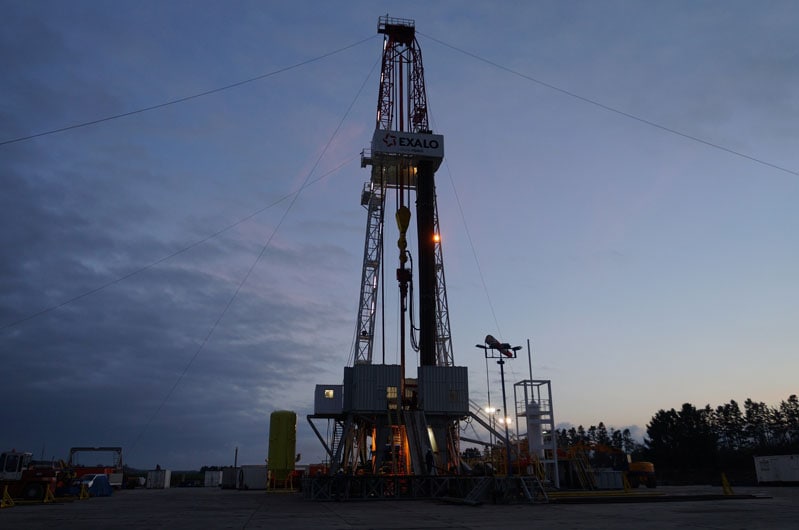
Drilling rigs have long been a practical entry point for people without previous oilfield experience. Junior crew members learn about equipment, work areas, tools, inspections, housekeeping and safe participation in drilling operations.
The Government of Alberta’s drilling and service rig occupation profile describes floorhand and leasehand roles as entry opportunities with on the job development.
Some employers train new workers on approved tasks and develop them progressively toward motorhand, derrickhand and other responsibilities. That progression takes real experience.
It does not happen automatically because a person has worked a fixed number of months. Training and competency assessment remain important.
A beginner should understand the physical demands, remote locations and rotational schedules. You may work around heavy machinery in difficult weather.
The role can build valuable experience, but it is unsuitable for anyone expecting a comfortable office schedule. Search official contractor vacancy pages and verify requirements before paying for short courses.
Second route: Service rig floorhand
Service rigs support work on existing wells. Depending on the assignment, operations can involve well servicing, repairs, interventions and other activities requiring specialized equipment and trained crews.
A junior worker may begin with equipment preparation, basic handling tasks and other duties assigned under supervision.
Some contractors hire inexperienced workers and provide workplace training. Others prefer previous service rig experience or specified safety credentials.
Do not assume the words entry level remove every prerequisite. The contractor may require a valid driver’s licence, ability to travel, recognized safety training or other conditions.
Service rig work can provide technical knowledge relevant to future intervention and supervisory roles. But the employee must work within authorization and learn well control and pressure hazards at the appropriate level.
Do not buy an advanced supervisory well control course as a substitute for having experience on a rig.
Third route: Fracturing operator trainee
Hydraulic fracturing businesses operate high pressure pumping units, blenders, fluid handling systems and related equipment. A trainee might begin with inspections, maintenance support, equipment preparation and supervised operating duties.
Some companies have defined levels of operating qualification, although the structure varies.
The major catch is transportation. Many positions involve driving large commercial vehicles.
In the United States, a CDL may be mandatory. In Alberta, an appropriate commercial licence may be required depending on the vehicle.
A company can offer complete training on pumping equipment while still requiring a qualified driver at hiring.
Review job descriptions carefully. A true operator trainee vacancy may state that no previous fracturing experience is necessary, but it can still demand specific licensing.
If you do not have it, look for equipment shop, mechanic helper or suitable support jobs instead of assuming the company will fund commercial driver training.
Fourth route: Wireline assistant and shop technician
Wireline uses cables and downhole tools to perform logging, perforating, setting and intervention work. Assistants may begin preparing equipment, checking tools, maintaining work areas and supporting qualified field personnel.
With time, a worker may learn pressure control, electronics, measurements and specialized tool systems.
This can be particularly interesting for people with strong mechanical aptitude or technical education. However, some services involve explosives and specific authorizations.
Nobody should independently handle regulated materials or operate unfamiliar pressure equipment simply because the role is called assistant.
Some wireline jobs include company training, while others require commercial driving or prior technical experience. Ask about the distinction between shop training and field qualifications.
A position focused on tool maintenance may provide a useful foundation for someone who eventually wants technical specialization, even if it initially involves less overtime than field work.
Fifth route: Coiled tubing assistant
Coiled tubing units move a continuous steel tube into and out of wells. Equipment can include a reel, injector, pressure control system and pumping equipment.
Junior assistants may learn equipment inspection, rigging procedures and operation through supervised experience.
This is a technical field. New employees should expect a deliberate training progression rather than immediate independent operation.
Knowledge of hydraulics, fluid handling, pressure barriers and equipment limits becomes increasingly important. Commercial driving requirements are also common for mobile units, although not every support job involves driving.
Someone with construction, mechanical or industrial experience may have useful transferable skills.
If you have neither relevant equipment experience nor a commercial licence, investigate whether the company offers a genuine assistant pathway and what it requires before signing up for expensive training.
Sixth route: Equipment yard and maintenance helper
Large service companies need equipment prepared, inspected and maintained between field jobs. Entry opportunities may involve cleaning tools, organizing parts, documenting equipment movement and assisting qualified mechanics with appropriate tasks.
It may not sound as exciting as working on a drilling rig, but equipment shops can be valuable learning environments.
A helper can become familiar with pumps, engines, hoses, hydraulic systems, compressors and machinery maintenance practices. This experience may help when pursuing future technician or apprenticeship positions.
However, a shop helper is not automatically a registered apprentice. Ask whether the employer supports formal trade registration, which qualified workers provide supervision, and what skills the position actually develops.
The best entry role is not necessarily the one with the largest first paycheque. A lower paying position that leads to recognized qualifications can have significant long term value, provided the progression is real and not merely promised informally.
Seventh route: Industrial apprenticeships
For people who want transferable skills, an apprenticeship can be an excellent option. Oil and gas employers use industrial electricians, millwrights, instrumentation technicians and heavy equipment technicians, among other trades.
Alberta apprentices gain supervised practical experience while employed and complete required technical instruction through the applicable program.
Government guidance states that apprentices earn wages during on the job training but are not usually paid during classroom periods. They may qualify for Employment Insurance or other financial assistance, depending on the circumstances.
This means an apprenticeship is not the same as receiving a full salary throughout every training week.
Ask employers whether the apprenticeship is formally registered, who provides qualified supervision and whether you will have opportunities to complete the required experience. A vague promise that you could become a mechanic someday is not equivalent to actual apprenticeship arrangements.
Recognized credentials can improve mobility between employers and industries.
Eighth route: Production and process operator trainees
Some producing companies and processing facilities hire junior operators. Trainees may learn about separators, pumps, compressors, treatment processes, control systems and operating procedures.
These positions can offer structured technical development and potential long term employment at existing assets.
However, they are not always open to people with no related education. A vacancy may request power engineering, a process operations diploma, prior plant experience or mechanical knowledge.
The title junior does not necessarily mean no qualifications.
These jobs often have significant safety responsibilities and can be highly competitive. A person with well testing experience may understand pressure measurement and separators, but still need to learn permanent process equipment.
Review real advertisements before deciding which courses or industrial experiences will make you eligible.
Ninth route: Oil sands support and camp services
Fort McMurray and other industrial regions employ people in workforce accommodation, food services, housekeeping, warehouse operations and facility support. Some employers train workers in company procedures and job specific tasks.
Someone with restaurant, hotel, cleaning or materials experience may be competitive even without previous oil sands employment.
The distinction between working at an oil sands camp and working for the mine operator is important. A housekeeping employee is often hired by a camp services contractor.
That employee is not automatically in a training program for haul truck operation. If the objective is eventually operating heavy equipment, investigate whether a real transfer or trainee opportunity exists rather than assuming proximity to a mine guarantees advancement.
Check whether camp, meals and flights are included. Some positions require residence near a transportation hub.
Others offer rotational accommodation. Understand the work arrangement before travelling for an interview.
What about heavy equipment operator trainee positions?
Large mining machines require suitable training and demonstrated competence. Some companies offer trainee or development programs, but availability can be limited and competition substantial.
An ordinary driver’s licence does not independently qualify someone to operate a mine haul truck, excavator or dozer.
Certain roles are advertised as entry level despite expecting prior equipment experience. Read the essential qualifications rather than relying on the headline.
A candidate who has operated earthmoving equipment in construction may have a useful foundation, but mining companies may still require specific assessment and training.
If you lack experience, appropriate equipment yard, industrial labour or construction training may be more realistic first steps. Avoid expensive short courses that imply they guarantee placement in an enormous mining truck.
Ask employers directly which education or prior experience they recognize.
How to tell whether training is genuinely paid
A reputable offer should identify the employment relationship, wage rate or salary, expected schedule and training conditions. Ask whether wages begin during orientation and whether classroom days are paid.
Determine who pays course fees, travel and accommodation, and whether any repayment agreement applies if you leave early.
Also ask what happens when training finishes. Is there a specific position available, or is the program only a recruiting pool?
Does successful completion guarantee continued employment? In many cases, it does not.
The employer may require competence assessment and work availability before assigning regular shifts.
An internship or education program may provide a stipend rather than an hourly wage. Another program may be unpaid training unrelated to a current job.
Use precise language when comparing opportunities. Paid training, paid employment and employer sponsored tuition are three different benefits.
A fictional comparison: Two job seekers
Consider Jordan, who wants to work in pressure pumping and already holds the required commercial driving licence. A genuine frac trainee position may be a direct opportunity.
Jordan could learn the equipment while earning wages, assuming the company accepts their other qualifications.
Now consider Alex, who has no commercial licence but has three years of experience helping maintain diesel equipment. Alex might be better suited to an equipment shop or registered apprenticeship pathway.
Paying thousands for a commercial licence may not be the best first move if Alex actually wants to work in mechanical maintenance.
Neither route is universally superior. The important lesson is to connect existing skills with an employer’s real entry requirements.
The fastest route into any advertised job is not always the route that produces a sustainable technical career.
How to research paid trainee openings
Use precise job titles instead of searching only oilfield jobs no experience. Search for drilling floorhand, leasehand, service rig floorhand, frac operator trainee, wireline assistant, equipment yard helper, maintenance apprentice, junior plant operator and other roles relevant to your interests.
Visit official employer careers pages. Read the full advertisement.
Identify what the candidate must possess before hiring and what the company plans to teach later. Look for statements about paid orientation, apprenticeships, structured training and supervised field assignments.
Create a simple application record with the company, position, location, required qualifications, submission date and recruiter response. Apply to jobs you can realistically perform.
Tailor the resume so the most relevant prior work appears near the beginning. Construction, farming, manufacturing, military technical service and warehouse employment can all provide transferable experience in particular contexts.
Do not buy certificates without a reason
Some safety courses are legitimate hiring prerequisites, but their value depends on the job. A drilling floorhand, commercial equipment driver and process plant trainee may have different requirements.
One employer might pay for its chosen orientation while another expects applicants to complete a specified course before starting.
There is little value in buying advanced well control supervision training if you have never worked in drilling and are not qualified for a supervisory role.
Similarly, a Class 1 licence can be useful for certain mobile equipment jobs but is not required for every field position.
Start with a target occupation. Review multiple actual job advertisements.
Verify the required course and training provider. Then decide whether paying personally is justified.
The correct certificate is an investment; an unrelated pile of certificates can become an expensive distraction.
Recruitment scams that target beginners
A scammer may promise an immediate camp job after you pay a registration or recruiting fee. They may use the logo of a major oil producer or tell you to send money for an urgent orientation package.
Be cautious. Verify the vacancy on the official company site and use contact information obtained independently.
Alberta employment agencies are generally prohibited from charging job seekers fees for securing employment. That is separate from a legitimate school charging for a real educational course.
The distinction matters because scammers sometimes call a recruitment fee a training fee to make it sound acceptable.
Do not send banking details, identity documents or money to an unknown messenger account. Ask for the legal employer, job location and written terms.
A real training opportunity should survive basic verification.
How much can you earn during training?
There is no universal trainee wage. A drilling labourer, equipment shop helper and registered apprentice may have very different compensation.
Some field positions include overtime or premiums. Others pay regular hourly wages during classroom instruction.
Seasonal work may have gaps even after successful training.
Compare annual earnings rather than an advertised hourly rate alone. Find out how many hours are normally scheduled, which hours are paid and whether field bonuses apply during the trainee period.
Ask how wages change after competence is demonstrated. A company might advertise an experienced operator rate while trainees begin at a different rate.
Most importantly, do not assume that working more hours is the same thing as becoming more qualified. A job that teaches increasingly useful skills can be more valuable over several years than a position offering short term overtime without further development.
Questions to ask before accepting a trainee offer
What duties will I perform during the first month? Who will train and assess me?
Are orientation and required courses paid? Which certifications must I already hold?
Is the job permanent, seasonal or project based? Do you offer a registered apprenticeship where relevant?
Does the company pay travel and accommodation? What is the normal working schedule?
How do I qualify for higher responsibilities?
The answers should be specific. Be cautious if a recruiter promises immediate management promotion without explaining the competencies required.
A reliable employer may not be able to guarantee a future promotion, but it should be able to describe how employees are trained and assessed.
Also ask what happens when customer work slows. Some trainee positions provide shop assignments during quiet periods, while others depend on active projects.
This can materially affect your annual earnings and the continuity of training.
Questions beginners search
Can I get paid to train without any oilfield experience?
Yes, some employers hire genuine beginners. Essential driving, safety, educational or physical requirements can still apply.
Will a company pay for my Class 1 or CDL?
Some do, but many positions require applicants to arrive with the appropriate licence. Ask about training assistance and repayment conditions.
Does paid apprenticeship training include classroom wages?
Not automatically. Alberta guidance explains that apprentices generally earn wages on the job but are usually not paid for classroom periods, although support programs may be available.
Is a camp job a path to haul truck operation?
Not automatically. Camp services and mining operations may have different employers and selection processes.
Look for a genuine operator trainee position.
How do I recognize a fake paid training job?
Independently verify the employer, vacancy and written terms. Be suspicious of unauthorized recruitment fees and promises of guaranteed high pay without a legitimate hiring process.
Which entry route is most useful in the long term?
That depends on your interests. A recognized trade, a structured field progression and relevant technical experience can all be valuable when the training is genuine and leads toward responsibilities you want.
Choose the first job for what it will teach you
The oilfield does offer ways to earn wages while learning, but opportunities are not all equivalent. A floorhand job can develop drilling experience.
A wireline assistant can learn specialized tools. A shop helper may enter a recognized trade.
A production trainee can begin learning industrial processes. None of these routes guarantees promotion, and each has its own requirements.
Choose a target occupation, verify the employer and confirm exactly what training is paid. Build useful competence rather than collecting job titles or certificates that sound impressive.
A genuine first job should help you earn money today while making you more qualified for the next opportunity.