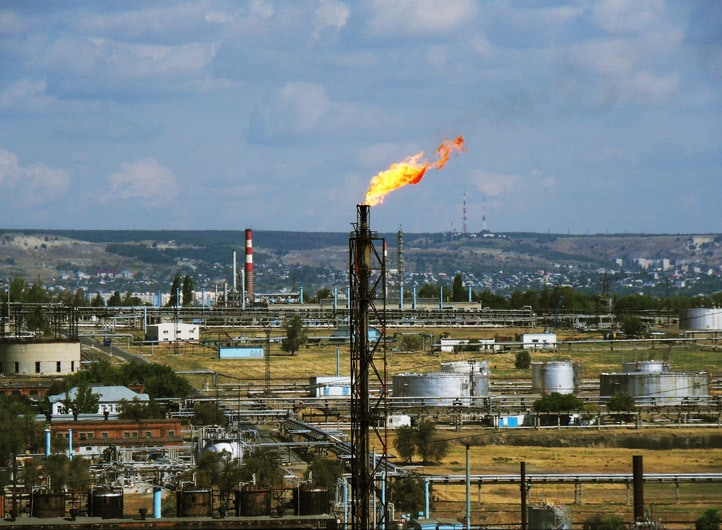
Oilfield medic jobs attract people for several reasons.
The work can pay well.
Many positions use rotations.
Camp and travel may be provided.
You can work in remote industrial locations without spending every shift inside a hospital.
For someone starting a paramedicine career, industrial work can also provide an opportunity to work independently relatively early.
But the job is often misunderstood.
An oilfield medic does not spend every day treating major trauma.
You may go an entire rotation without seeing a serious patient.
Then one incident happens and you suddenly become the medical person responsible for a worker who may be hours away from a hospital.
That contrast defines the job.
Long periods of routine work are interrupted by situations where preparation and judgment matter enormously.
If you want to become an oilfield medic, the first step is understanding what employers actually mean when they advertise for one.
What Is an Oilfield Medic?
Oilfield medic is a broad job description rather than one single medical qualification.
Depending on the province, employer, project, and worksite, the person providing medical coverage might be an Advanced First Aid provider, Emergency Medical Responder, Primary Care Paramedic, Advanced Care Paramedic, nurse, or another appropriately qualified medical professional.
In Alberta, many industrial medic positions are filled by EMRs and PCPs.
More complex operations may require a higher level of medical coverage.
The exact requirement depends on the worksite and employer.
This means you should not begin by searching for a course called oilfield medic training.
First decide what medical qualification you want.
Then obtain the oilfield safety training required for industrial work.
What Does EMR Mean?
EMR means Emergency Medical Responder.
For many people interested in industrial medical work in Alberta, EMR is one of the most practical entry points.
An EMR receives formal emergency medical education beyond ordinary workplace first aid.
The training covers patient assessment, medical emergencies, trauma, airway management, oxygen therapy, resuscitation, transportation considerations, documentation, and other emergency care within the EMR scope of practice.
In Alberta, EMR is a regulated paramedicine designation.
Completing an EMR course by itself does not automatically mean you can immediately begin practicing as a registered EMR.
You also need to complete the applicable registration requirements and hold the required practice permit.
What Does PCP Mean?
PCP means Primary Care Paramedic.
PCPs receive substantially more education and clinical training than EMRs and have a broader scope of practice.
A PCP qualification can open more employment options.
You may be able to work in industrial medicine, ground ambulance, event medicine, remote medical coverage, patient transport, and other paramedicine roles depending on the employer and jurisdiction.
Many people enter industrial work as an EMR and later continue their education toward PCP.
Others complete the PCP pathway first and then look for industrial jobs.
There is no single correct route.
Your long term career goals should influence the decision.
What Does ACP Mean?
ACP means Advanced Care Paramedic.
An ACP has considerably more advanced education and a broader scope of practice than an EMR or PCP.
Some remote or higher risk projects use ACPs.
However, becoming an ACP solely because you want an entry level oilfield medic job usually does not make sense.
ACP is an advanced paramedicine career path.
Most people progress through earlier paramedicine education and build substantial clinical experience before moving to that level.
Can You Work as an Oilfield Medic With Advanced First Aid?
Some industrial positions use workers with approved Advanced First Aid qualifications.
Alberta workplace first aid requirements recognize different first aid levels based on factors such as workplace hazard, number of workers, and distance from medical care.
However, employer requirements can be higher than the minimum workplace first aid requirement.
A company advertising specifically for an EMR or PCP is not normally going to treat an Advanced First Aid certificate as the same qualification.
Read the actual job posting.
Do not assume every job using the word medic has the same clinical requirement.
What Is the Best Starting Qualification for Alberta Oilfield Work?
For someone specifically interested in industrial medical work in Alberta, EMR is worth investigating because many industrial employers use registered EMRs.
It provides a regulated medical qualification while requiring much less education than progressing immediately to PCP or ACP.
That does not automatically mean EMR is the best choice for everyone.
If your long term goal is a broad paramedicine career, PCP may provide considerably more options.
If your only goal is workplace first aid coverage, an approved Advanced First Aid qualification may be enough for some positions.
Choose the qualification based on the jobs you actually want.
How Do You Become an EMR in Alberta?
The process begins with an approved Emergency Medical Responder education program.
Alberta has approved EMR programs offered by several training institutions.
The program teaches the medical knowledge and practical skills required for entry into the profession.
After completing the educational requirements, applicants need to satisfy the current registration requirements of the Alberta College of Paramedics.
Most new applicants also need to complete the applicable registration examination process.
Other registration requirements can include items such as a criminal record check, professional liability insurance, required professional education, and other College requirements.
Because registration policies can change, always verify the current process with the Alberta College of Paramedics before enrolling.
Do not base your entire career plan on an old forum post.
Do You Need to Register With the Alberta College of Paramedics?
If you want to practice as an EMR, PCP, or ACP in Alberta, registration with the Alberta College of Paramedics is a critical part of the process.
A school certificate and an active professional practice permit are not the same thing.
This distinction confuses some new applicants.
You can finish school and still have registration steps remaining before you are ready to work in a regulated paramedicine role.
When applying for industrial jobs, employers may ask for proof that your registration is active and in good standing.
What Is the COPR Exam?
COPR refers to the Canadian Organization of Paramedic Regulators.
Registration examinations are part of the pathway for many new Alberta paramedicine applicants.
The exact requirements depend on your designation, education, registration route, and current regulatory rules.
Treat the exam seriously.
Finishing school should not be viewed as the final step.
Plan financially and academically for the registration process that follows.
How Long Does It Take to Become Ready for Oilfield Work?
Do not assume you will finish your last day of class on Friday and be working in an oilfield medic truck on Monday.
You may still need to complete examinations, registration, employer onboarding, industry tickets, driving requirements, and site orientation.
The timeline varies.
Build some flexibility into your plans.
If you need income immediately after school, understand the registration process before your course ends so you are not surprised by additional steps.
What Oilfield Safety Tickets Do Medics Commonly Need?
The medical qualification is only one part of getting hired.
Industrial employers commonly want additional oilfield safety training.
In Alberta, job postings frequently request H2S Alive and Common Safety Orientation.
CPR requirements also need to remain current.
Depending on the employer and project, additional training might involve WHMIS, Transportation of Dangerous Goods, ground disturbance, confined space, fall protection, or other site specific courses.
Do not buy every course you can find before getting hired.
Look at several current job postings and identify what employers in your area are repeatedly asking for.
Some companies provide additional training after hiring.
What Is H2S Alive?
H2S Alive is widely recognized oil and gas safety training related to hydrogen sulfide.
Hydrogen sulfide can be present in sour oil and gas operations and is highly toxic.
Medics work around the same process hazards as everyone else on location.
Being medically trained does not protect you from exposure.
You need to understand site alarms, respiratory protection requirements, escape procedures, wind direction, muster locations, and the emergency response plan.
Your first responsibility is not becoming another casualty.
What Is Common Safety Orientation?
Common Safety Orientation is used by many employers as basic safety orientation for workers entering oil and gas environments.
It introduces important industrial safety concepts before workers enter the field.
Whether a specific project requires it depends on the employer and site.
Many Alberta industrial medic job postings ask for it.
Having your basic oilfield tickets ready can make you easier to deploy when a company suddenly needs someone for a project.
Do Oilfield Medics Need a Driver’s Licence?
Usually.
Industrial medics commonly drive company trucks, medical units, or other vehicles to remote work locations.
Employers may request a valid driver’s licence and a recent driver’s abstract.
A poor driving history can become a hiring problem even when your medical credentials are excellent.
Remote industrial medicine involves a surprising amount of driving.
Road conditions can include gravel, snow, ice, mud, forestry roads, and remote lease roads.
Defensive driving ability matters.
Do You Need a Special Ambulance Driver Licence?
Requirements depend on the vehicle, employer, province, and exact role.
An industrial medic vehicle is not automatically operated under exactly the same requirements as a public ambulance.
Some employers may provide or require additional driver training.
If you are applying to public EMS as well, its driving requirements may be different from industrial standby work.
Read each employer’s requirements rather than assuming one licence covers every medical job.
Do You Need Oilfield Experience?
Not always.
Some industrial medical companies hire newly registered EMRs and train them for oilfield work.
Others strongly prefer candidates with previous industrial experience.
Previous experience becomes especially valuable because an oilfield medic can work alone.
You might be the only medical professional at a remote location.
Understanding site hazards, radio communication, emergency response, camp life, and industrial culture makes that responsibility easier.
A motivated new EMR can still get hired.
Being willing to travel and work remote rotations can increase the number of opportunities available.
What Does an Oilfield Medic Actually Do All Day?
This surprises many new medics.
You may spend much more time waiting than treating patients.
A normal day can begin with inspecting your medical unit.
You confirm equipment is present and ready.
You check communication equipment.
You make sure the vehicle is operational.
You review the emergency response plan.
You attend the morning safety meeting.
You learn where crews are working.
Then you remain available.
Depending on the project, you may perform additional site responsibilities permitted by your employer.
Actual medical incidents may be infrequent.
That is not evidence that your position is unnecessary.
Your job exists because when something serious happens, the site cannot begin searching for medical coverage after the injury has already occurred.
Do Oilfield Medics Sit in a Truck All Day?
Some do for significant portions of the shift.
Other jobs use a clinic, medical trailer, first aid room, or dedicated medical building.
On pipeline and construction projects, the medic may operate from a mobile medical unit.
You might spend twelve hours on site with very little patient contact.
This can be difficult for people who entered emergency medicine because they want constant activity.
You need to be comfortable remaining alert even when nothing is happening.
Boredom is a genuine part of many industrial medic jobs.
Can You Watch Movies or Study While Waiting?
That depends entirely on employer and client policy.
Some projects allow reasonable personal activities during quiet periods as long as the medic remains ready to respond.
Others have stricter expectations.
Many industrial medics use quiet time for continuing education or studying.
Never allow entertainment to interfere with radio monitoring, site responsibilities, equipment readiness, or response.
You are being paid to remain available.
Do Oilfield Medics Get Many Patients?
Patient volume can be very low.
Minor complaints are more common than dramatic emergencies.
You might see headaches, minor wounds, eye irritation, musculoskeletal complaints, illness, minor burns, or other routine problems.
Then a major incident can occur without warning.
Possible serious events in industrial environments can involve trauma, burns, chemical exposure, cardiac emergencies, hydrogen sulfide exposure, vehicle incidents, crush injuries, and other emergencies.
The low frequency of major calls is exactly why preparation matters.
You cannot become casual simply because the previous twenty shifts were quiet.
Is Oilfield Medic Work Good Clinical Experience?
It provides a particular kind of experience.
You can develop independence.
You learn documentation.
You learn to manage remote logistics.
You become familiar with industrial hazards and emergency response systems.
You may become more comfortable making decisions without another clinician standing beside you.
However, industrial work may provide far less patient contact than ambulance service.
If your long term goal is becoming a highly experienced paramedic, relying entirely on low volume industrial standby work may limit your clinical exposure.
Some medics combine industrial work with ambulance, event, clinic, or other patient care roles to maintain experience.
Will Oilfield Work Make You a Better Paramedic?
It can improve certain skills.
Working alone teaches responsibility.
Remote environments make you think about evacuation, communication, resources, and contingency planning.
You learn to manage equipment and prepare without assuming another ambulance is five minutes away.
But clinical ability develops through patient contact.
If you rarely see patients, some assessment and treatment skills will not be reinforced as frequently as they would in busy EMS work.
Industrial experience and ambulance experience teach different things.
What Happens When Someone Is Seriously Injured?
The medic assesses and treats the patient within their authorized scope of practice and follows the applicable medical protocols and site emergency response procedures.
Additional emergency resources may be activated.
That could involve ground ambulance, site emergency response personnel, fire services, air transport, or another medical resource depending on location and circumstances.
Remote sites need evacuation plans because definitive medical care may be far away.
The medic needs to know that plan before the emergency occurs.
Trying to figure out where the nearest receiving facility is while treating a seriously injured worker is too late.
How Remote Can Oilfield Medic Jobs Be?
Very remote.
Some sites are reasonably close to towns.
Others may be a long drive from advanced medical care.
Projects can operate in areas with limited cellular service and difficult winter access.
Weather can affect transportation.
Roads may close.
Air transport may not always be available.
Remote medicine therefore requires planning around what happens when the obvious transportation option is unavailable.
The medic needs to understand the site’s actual emergency response system, not the ideal version of it.
Are You Usually the Only Medic?
On many smaller industrial sites, yes.
Large projects can have multiple medics, nurses, PCPs, ACPs, firefighters, rescue personnel, and dedicated emergency response teams.
Smaller pipeline, drilling, service, or construction locations may have one medic.
Working alone can be attractive because you have independence.
It also means there may be no experienced paramedic beside you when something serious happens.
New medics should think carefully about that responsibility.
What Should You Check at the Beginning of a Shift?
You need confidence that the medical unit is ready before anyone gets hurt.
Follow your employer’s inspection process.
Medical supplies should be present and within expiry requirements.
Oxygen equipment, defibrillation equipment, suction equipment, communication systems, heating, vehicle systems, and other assigned equipment should be ready for service.
You should know how to access the items you may need quickly.
An emergency is not the time to discover that important equipment was moved by the previous crew.
Why Is Documentation Such a Big Part of the Job?
Medical documentation protects the patient, medic, employer, and continuity of care.
Depending on the incident and company procedures, documentation may include patient care records, first aid records, equipment checks, medication records, incident information, transfer information, and other required forms.
Patient information is confidential.
Being on an oilfield site does not make medical privacy disappear.
Coworkers may be curious about why someone visited the medic.
That does not mean they are entitled to the patient’s medical information.
Professionalism matters.
Are Oilfield Medics Part of the Safety Department?
Sometimes they work closely with safety personnel.
The organizational structure depends on the company.
You may attend safety meetings, participate in drills, provide medical standby during higher risk activities, and work closely with site safety representatives.
But being the medic does not automatically mean you are responsible for every safety function.
Understand your assigned responsibilities.
Do not allow unrelated tasks to compromise your ability to respond medically.
Do Oilfield Medics Perform Drug and Alcohol Testing?
Some industrial medical and safety companies have staff trained to perform occupational testing.
That is a separate responsibility requiring appropriate training and procedures.
Do not assume every medic position includes it.
Some companies view additional occupational testing qualifications as an asset because one employee can support several site functions.
If you are interested in industrial medicine long term, additional occupational health skills can expand your employment options.
What Is Camp Life Like for an Oilfield Medic?
Many remote medic jobs use camp accommodation.
You may work twelve hour shifts and return to camp afterward.
Meals and accommodation are often arranged by the project, although this varies.
Rotations can keep you away from home for extended periods.
Some people love this lifestyle.
They work intensively for a block of time and then enjoy several consecutive days off.
Others dislike being away from family.
Before accepting a job, understand the actual rotation and travel expectations.
What Rotations Do Oilfield Medics Work?
Industrial schedules vary considerably.
Two weeks at work followed by two weeks off is one type of rotation you may encounter.
Other projects use longer or shorter rotations.
Construction projects can change schedules as work progresses.
Temporary shutdowns may require intensive short term schedules.
Wildfire support and emergency projects can be unpredictable.
Do not assume every industrial medical job provides a perfect repeating rotation.
Ask before accepting the assignment.
Are Most Oilfield Medic Shifts Twelve Hours?
Twelve hour coverage is common, but not universal.
Some jobs require longer availability depending on project structure.
Clarify whether you are being paid hourly or by day rate and what hours the rate actually covers.
A day rate can sound attractive until you calculate how many hours you are expected to remain available.
Ask about overtime, travel time, orientation time, and additional responsibilities.
Understand your compensation before mobilizing.
How Are Oilfield Medics Paid?
Some positions pay hourly wages.
Others use day rates.
Some include travel pay, camp, meals, or allowances.
Others structure these items differently.
Your medical level influences compensation.
A PCP generally provides a broader clinical scope than an EMR and may command a different rate.
Experience, remoteness, schedule, project length, and employer also matter.
Compare total compensation rather than only the headline number.
Can New EMRs Get Oilfield Medic Jobs?
Yes, some employers hire newly registered EMRs.
Industrial medicine can be one of the ways new EMRs gain employment while deciding whether to continue toward PCP.
However, employers still want reliable people.
You may have limited clinical experience and still be expected to manage yourself professionally on a remote site.
Demonstrating maturity, safe driving, good documentation, communication, and willingness to learn can matter considerably.
How Do You Find Your First Oilfield Medic Job?
Start by searching for more than the words oilfield medic.
Useful job titles can include:
Industrial medic
Emergency Medical Responder
Industrial EMR
Primary Care Paramedic
Industrial paramedic
Medical standby
Remote medic
Site medic
First aid attendant
Look at industrial safety companies, emergency response companies, pipeline contractors, oilfield service providers, major industrial contractors, and remote medical service companies.
Some companies maintain employee rosters and call workers when projects start.
That means being available on relatively short notice can help early in your career.
What Should Be on Your Resume?
Put the information employers need near the top.
Clearly state your medical designation and current registration status.
Include relevant safety tickets.
Include your driver’s licence and relevant industrial driving experience.
Mention previous oil and gas, construction, camp, emergency response, healthcare, military, or remote work experience.
If you are new, do not try to make your practicum sound like ten years of field experience.
Employers know what a new graduate is.
Focus on being employable and ready.
Should You Include Expiry Dates for Your Tickets?
It can be useful.
Industrial employers care whether credentials are current.
Keeping an organized list of your qualifications and expiration dates also helps you manage renewals.
A company does not want to discover halfway through a project that the credential allowing you to work has expired.
Create your own reminder system.
Professional credentials are your responsibility.
What Will an Oilfield Medic Interview Be Like?
Expect questions about working independently.
You may be asked how you handle long quiet shifts.
You may be asked about documentation and confidentiality.
You may be given an emergency scenario and asked how you would approach it.
Employers may ask about remote driving, camp work, safety culture, and your willingness to travel.
For new EMRs, they are not expecting decades of experience.
They are looking for someone who understands their scope, follows procedures, communicates well, and does not pretend to know things they do not know.
What Should You Say If You Have No Oilfield Experience?
Say exactly that.
Then explain why your existing experience transfers.
Maybe you have construction experience.
Maybe you worked in healthcare.
Maybe you have driven extensively in winter conditions.
Maybe you have experience working alone.
Maybe you understand industrial safety.
Maybe your background shows reliability and strong documentation.
There is nothing wrong with being new.
Pretending you already understand an environment you have never worked in is much worse.
What Oilfield Knowledge Should a Medic Learn?
Learn how the site operates.
Understand emergency alarms.
Know the muster points.
Know how to communicate by radio.
Understand basic hydrogen sulfide hazards.
Learn which work areas have special hazards.
Know how emergency transportation is activated.
Know where crews are working.
Understand who controls the emergency response.
Learn the roads.
Learn your site’s location well enough that you can communicate it accurately.
Your medical training is only useful if you can integrate it with the industrial emergency system.
Why Is Radio Communication Important?
Remote worksites rely heavily on radios.
During an emergency, clear communication becomes essential.
A medic may need to communicate with supervisors, emergency response personnel, operators, security, transportation, or additional medical resources.
Learn the radio system before you need it.
Know the channel your crew uses.
Understand basic radio discipline.
Do not turn an emergency channel into a long confusing conversation.
Clear communication saves time.
Why Does Site Orientation Matter for Medics?
A medic should pay more attention to orientation than the average new visitor.
You need to know where people might be injured and how you would reach them.
If workers are spread across a large pipeline project, know the access routes.
If you are on a drilling location, understand the layout.
If you are at a plant, know which areas require special access and PPE.
Medical knowledge does not help much if you cannot reach the patient safely.
What Personal Protective Equipment Does an Oilfield Medic Need?
Medics working on industrial sites generally need the same required site PPE as other workers entering the operating area.
This may include approved footwear, hard hat, safety glasses, protective clothing, gloves, hearing protection, and other equipment depending on hazards.
Specialized emergencies may require additional protection provided through the emergency response system.
Do not enter a hazardous atmosphere simply because someone needs medical help.
Scene safety still comes first.
Can an Oilfield Medic Enter an H2S Area to Rescue Someone?
Only within the site’s emergency procedures, your training, assigned role, and available protective systems.
A medic should not rush unprotected into a toxic atmosphere.
That creates two patients instead of one.
Sites with serious atmospheric hazards develop rescue procedures involving appropriate respiratory protection and trained rescue personnel.
Your role may be providing medical treatment once the patient reaches a safe location.
Know the plan before an incident occurs.
What Is the Hardest Part of Being an Oilfield Medic?
For many people, it is not the medicine.
It is staying ready.
Imagine having almost no serious patients for months.
Then one morning a major incident occurs.
You still need to assess the patient correctly.
You still need to know your equipment.
You still need to communicate effectively.
You still need to follow your protocols.
Complacency is the enemy of low volume emergency work.
The shift that looks like every other quiet shift can change in seconds.
Is Boredom Really That Big of a Problem?
Yes.
It sounds ridiculous until you experience it.
You can spend twelve hours alone in a medical truck with very little happening.
Then you repeat that schedule for many consecutive days.
Some people use the quiet time productively.
Others become distracted, sleepy, or disengaged.
If you need constant activity to stay focused, industrial standby work may not suit you.
Being capable of staying mentally ready during long quiet periods is part of the job.
Should You Use Downtime to Study?
It can be an excellent use of downtime if employer rules permit it and your responsibilities are covered.
Some EMRs use industrial rotations while studying toward PCP.
Other medics complete continuing education or review protocols.
Keeping your clinical knowledge active is particularly important when your patient volume is low.
Do not confuse having free time with being off duty.
You still need to be immediately available when required.
Can You Work as an EMR While Going to PCP School?
Some people do.
Rotational industrial schedules can sometimes fit around education better than traditional schedules.
However, PCP education requires significant study, practical training, and clinical placements.
Do not assume you can work full rotations while completing an intense program without difficulty.
Your schedule needs to be realistic.
The income from EMR work can be useful, but passing your education should remain the priority if PCP is your goal.
Should You Become a PCP After Working as an Oilfield EMR?
That depends on your career plans.
If you enjoy industrial medicine and are satisfied with EMR opportunities, you may choose to continue.
If you want access to a broader range of paramedicine work, PCP can be a valuable progression.
PCP education provides greater clinical depth and a broader scope.
It can also make you eligible for industrial jobs requiring PCP level coverage.
Think beyond your first job.
Ask what you want your options to look like five years from now.
Can Oilfield Medics Move Into Public EMS?
Potentially, yes, provided they meet the employer’s requirements.
Industrial work can demonstrate independence, documentation ability, emergency readiness, and experience working in difficult environments.
However, ambulance employers may place substantial value on frequent patient contact and ambulance specific experience.
Do not assume several years sitting industrial standby is identical to several years on a busy ambulance.
They develop different experience.
Can Public Paramedics Move Into Oilfield Medicine?
Yes.
Experienced PCPs and ACPs can bring strong clinical experience into industrial settings.
The adjustment is often less about medicine and more about remote work.
You need to learn industrial hazards, camp life, site procedures, safety systems, and remote evacuation planning.
Someone coming from a busy ambulance service may also need to adjust to the slower pace.
The quiet can be one of the biggest changes.
Is Oilfield Medic Work a Good Career?
It can be excellent for the right person.
You may receive long blocks of time off.
You can work independently.
You can earn industrial experience.
You may have time for additional education.
You can see parts of the energy industry that most healthcare workers never experience.
The disadvantages are real too.
You may spend long periods away from home.
Patient volume may be low.
Projects can end.
Work can depend on industrial activity.
Driving can be extensive.
Camp life is not for everyone.
The job is best viewed as a specific type of paramedicine rather than an easier version of ambulance work.
A Practical Path From Zero Experience to Oilfield Medic
If you are starting from nothing in Alberta, begin by deciding whether you want to pursue Advanced First Aid, EMR, or the longer PCP pathway.
For many people specifically targeting industrial medic positions, the practical route is to complete an approved EMR program and then complete the current Alberta registration process.
Once properly registered, obtain the industry safety credentials repeatedly requested by the employers you want to work for.
Keep your CPR and professional credentials current.
Maintain a good driving record.
Build a simple resume that clearly shows your registration, safety training, licence, availability, and willingness to travel.
Apply to industrial medical and safety companies.
Be open to remote assignments.
Use your first jobs to learn the oilfield rather than pretending you already know it.
If your long term goal is broader paramedicine, continue building clinical experience and consider progressing toward PCP.
That path gives you both industrial experience and more options later.
Frequently Asked Questions
What qualification do you need to be an oilfield medic in Alberta?
It depends on the position. Industrial medical roles may use Advanced First Aid personnel, registered EMRs, PCPs, ACPs, or other healthcare professionals depending on the project.
Is EMR enough to work as an oilfield medic?
Many Alberta industrial medic positions hire registered EMRs, although individual employers and worksites can require higher qualifications.
Do you have to register after taking an EMR course?
To practice as an EMR in Alberta, you need to meet the current requirements of the Alberta College of Paramedics and hold the appropriate active practice permit.
Do you need H2S Alive?
Many Alberta oil and gas medic employers require H2S Alive for field positions where oil and gas hazards are present.
Do you need Common Safety Orientation?
Many industrial employers request it, although requirements vary by company and project.
Do you need oilfield experience?
Not always. Some companies hire newly registered EMRs and provide industrial orientation.
Do oilfield medics work in camps?
Many do, particularly on remote projects.
Do oilfield medics work twelve hour shifts?
Twelve hour shifts are common in industrial medical coverage, although schedules vary.
Are oilfield medic jobs busy?
Often they are not clinically busy. Patient volume can be much lower than ambulance work.
What do medics do when there are no patients?
They remain ready to respond, inspect equipment, complete required documentation, participate in site responsibilities, and may use approved downtime for study or other permitted activities.
Do oilfield medics work alone?
Many positions involve working as the only medic at a location. Larger sites may have several healthcare and emergency response personnel.
Is being an oilfield medic stressful?
Most shifts may be quiet, but serious incidents can create significant pressure because the medic may be working remotely with limited immediate medical support.
Is oilfield medicine good experience for a new EMR?
It can build independence, industrial knowledge, documentation skills, and confidence. It may provide relatively little patient contact compared with ambulance work.
Can you become a PCP after working as an EMR?
Yes. Some people work industrial EMR positions while preparing for or completing further paramedicine education.
Can a PCP work as an oilfield medic?
Yes. Many industrial employers hire PCPs, particularly for projects requiring a broader scope of practice.
Do oilfield medics drive ambulances?
Some operate dedicated medical units or emergency vehicles, while others use trucks or work from stationary medical facilities. Vehicle requirements depend on the job.
Do you need a clean driver’s abstract?
Many employers request a current driver’s abstract because industrial medics frequently operate company vehicles in remote locations.
Can an oilfield medic eventually work for public EMS?
Potentially, yes, if the person meets the public EMS employer’s education, registration, driving, physical, and hiring requirements.
Is oilfield medic work permanent?
Some positions are permanent, while others are connected to temporary drilling programs, pipeline construction, shutdowns, projects, or seasonal activity.
What is the biggest thing to understand before becoming an oilfield medic?
You are not being hired because the company expects someone to be injured every day.
You are being hired because if a serious medical emergency occurs in a remote industrial location, the site needs someone who is already there, properly trained, properly equipped, and ready to respond.