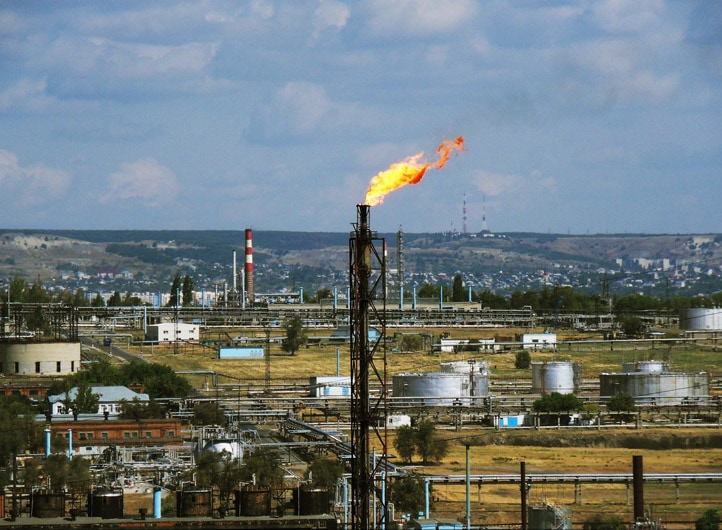
Canada has a large oil and gas industry.
Alberta is known for oil sands production, drilling, natural gas processing, pipeline operations, and specialized oilfield services.
British Columbia has natural gas and LNG activity.
Saskatchewan has oil production and related services.
Newfoundland and Labrador has offshore petroleum operations.
For experienced workers living outside Canada, these industries may appear to offer attractive employment opportunities.
You might already work as a drilling supervisor, petroleum engineer, industrial mechanic, instrumentation technician, or field service specialist.
Perhaps you want to move to Canada for better career opportunities.
Or you are hoping to obtain an oilfield job that includes work permit assistance.
But finding a Canadian employer willing and able to hire a foreign worker can be difficult.
Many job advertisements require applicants to have existing authorization to work in Canada.
Other employers may consider international candidates only when they cannot meet their staffing needs through the available workforce.
And some online advertisements promising guaranteed visa sponsorship are fraudulent.
Here is how Canadian oil and gas recruitment actually works and what international applicants should understand before applying.
Does Canada Offer Oilfield Jobs With Visa Sponsorship?
Yes, certain Canadian employers may hire qualified foreign workers through applicable immigration programs.
However, visa sponsorship is not one single Canadian immigration category.
The legal process depends on the employer, occupation, applicant, and immigration pathway.
An employer may need a Labour Market Impact Assessment, commonly called an LMIA.
Other situations may qualify for an exemption through the International Mobility Program.
Some applicants already hold an open work permit and may not need the employer to obtain an LMIA.
The important distinction is between receiving a job offer and receiving legal authorization to work in Canada.
An offer alone does not automatically permit a foreign national to begin working.
Applicants must meet the requirements of the relevant work permit or exemption.
What Is an Employer Specific Work Permit?
An employer specific work permit authorizes employment under the conditions stated on the permit.
Those conditions can include the employer, occupation, location, and validity period.
A foreign worker may therefore be authorized to work for one company but not automatically permitted to switch to another company without addressing the applicable immigration requirements.
This matters in oil and gas because employees may want to change contractors or move between projects.
For example, someone hired by a Canadian drilling contractor cannot assume the same employer specific permit automatically authorizes employment with an unrelated producer.
Before accepting a new job, confirm whether a new permit or another immigration step is necessary.
Working outside the conditions of an authorization can have serious consequences.
What Is an LMIA?
LMIA stands for Labour Market Impact Assessment.
It is part of the federal Temporary Foreign Worker Program.
An employer may need to demonstrate that it has a legitimate need to hire a foreign worker and satisfy the applicable recruitment and program requirements.
The process is primarily an employer responsibility.
A positive LMIA does not automatically guarantee that the foreign worker will receive a work permit.
The applicant must still satisfy the relevant immigration requirements.
Not every position requires an LMIA.
Some categories are exempt.
This is why international applicants should not assume that every Canadian company advertising a vacancy is offering sponsorship.
A posting may simply be looking for people already legally authorized to work in Canada.
What Is the International Mobility Program?
The International Mobility Program allows certain foreign workers to be employed without an LMIA when they meet the requirements of an eligible category.
Possible pathways can involve qualifying international agreements, certain transfers within multinational companies, or other specified categories.
Eligibility is not based solely on being an experienced oilfield worker.
For example, an employee of a multinational energy company might investigate whether a transfer to its Canadian business qualifies under an applicable immigration category.
Another applicant may qualify for a work permit under a relevant international agreement.
The precise requirements matter.
An employer’s participation in a multinational business does not automatically qualify every employee for an internal transfer.
Applicants should confirm eligibility through current official immigration guidance or an appropriately qualified professional.
Which Oil and Gas Jobs May Be More Realistic for International Applicants?
Employers are generally more likely to consider international recruitment when a candidate has specialized qualifications that match a genuine business need.
Possible occupations include experienced drilling supervisors, specialized field engineers, instrumentation technicians, industrial mechanics, equipment specialists, certain process engineers, and other qualified technical personnel.
However, these are possible categories, not a list of occupations guaranteed to receive immigration approval.
Employer demand and immigration requirements change.
A company may need a senior specialist with experience operating a particular system.
That does not mean it will sponsor a beginner with no related qualifications.
For many international applicants, the most practical strategy is building expertise that employers cannot easily replace rather than applying randomly to every oilfield vacancy.
Can You Get a Sponsored Oilfield Job Without Experience?
It can be particularly difficult.
Employers recruiting entry level workers may have a large pool of applicants already authorized to work in Canada.
Hiring internationally can involve additional administration, legal responsibilities, and costs.
Some lower wage positions may also face program restrictions that make international recruitment difficult.
Those restrictions can depend on the wage level, occupation, region, and current program rules.
For someone with no oilfield experience, obtaining training or employment in their current country may be a more realistic first step.
The objective should be building qualifications that match a genuine Canadian vacancy.
A safety certificate alone rarely makes an inexperienced international applicant competitive for a specialized oilfield job.
Are Alberta Oilfield Employers Hiring Foreign Workers?
Some employers may consider qualified foreign applicants.
However, Alberta’s oil and gas industry does not have one universal foreign worker recruitment program.
Drilling contractors, oilfield service companies, producers, engineering firms, and industrial maintenance businesses have different staffing requirements.
A company might hire internationally for a specialized engineering vacancy but require existing Canadian work authorization for an entry level field position.
Another employer may not have the administrative capacity or business need to pursue an LMIA.
The fact that Alberta has oil and gas activity does not establish that every Alberta employer is prepared to sponsor applicants.
Review the actual job advertisement and ask whether the employer considers candidates who require work permit assistance.
Which Canadian Provinces Should You Target?
Alberta
Alberta offers opportunities across oil sands, drilling, completions, gas processing, maintenance, pipelines, and engineering.
Calgary has many energy company offices and technical service businesses.
Edmonton, Nisku, Red Deer, Grande Prairie, and Fort McMurray support different parts of the industry.
However, a job posted in Calgary may require travel to field locations elsewhere.
A Fort McMurray position may require local residence or have specific transportation arrangements.
British Columbia
British Columbia has natural gas production, processing, and LNG related work.
Some employment is concentrated in northeastern communities, while major projects and engineering functions may involve other locations.
Relevant opportunities can include specialized trades, process operations, engineering, and construction.
Saskatchewan
Saskatchewan has oil production and industrial service activity.
Certain occupations involve field operations, maintenance, transportation, and production support.
Employment needs vary by region and employer.
Newfoundland and Labrador
Offshore petroleum operations create opportunities for specialized technical, marine, engineering, and industrial personnel.
However, offshore work can require particular medical, safety, and experience qualifications.
International applicants should not assume that offshore employment is available without the necessary training and work authorization.
How to Find Canadian Employers Recruiting Foreign Workers
Canada’s Job Bank provides a section for temporary foreign workers.
It allows job seekers to review advertisements from employers that have obtained or applied for an LMIA.
This can be a useful starting point.
However, an employer having applied for an LMIA does not mean every foreign applicant is eligible or that employment is guaranteed.
Review the occupation, location, wages, and requirements.
You should also investigate official employer career websites.
Search using the technical occupation you are qualified to perform.
For example, an experienced industrial electrician should search for suitable electrical positions rather than only Canadian oilfield visa sponsorship.
A petroleum engineer should investigate actual engineering vacancies.
The more specific your search, the easier it becomes to identify realistic opportunities.
How to Tell Whether a Job Offers Work Permit Support
Read the eligibility section carefully.
Some advertisements state that applicants must already be legally authorized to work in Canada.
Others identify the possibility of immigration assistance.
If the information is unclear, ask the recruiter directly.
A useful question is:
“Does this position consider applicants who require employer support for Canadian work authorization?”
That is more precise than asking whether the company sponsors visas.
Do not assume that a large multinational employer will sponsor every position.
The company may have different policies for different occupations and locations.
What Qualifications Will Canadian Employers Recognize?
Recognition depends on the occupation.
An experienced mechanical technician may have relevant skills, but certain trades in Canada have specific certification or registration requirements.
An electrical qualification issued in another country does not automatically authorize every type of electrical work in Alberta.
Professional engineering is regulated.
A foreign engineering degree may be relevant to an application, but professional registration requirements must still be satisfied where applicable.
Commercial driver licensing is another area where applicants need to investigate local requirements.
An international driving licence does not necessarily authorize operation of Canadian commercial vehicles.
Before paying for immigration assistance, identify whether your occupational qualifications can be used legally in the intended Canadian position.
Should You Obtain Canadian Safety Certificates Before Applying?
Not automatically.
Safety training requirements vary by job and employer.
Some companies arrange training after hiring.
Others require particular certificates before employment.
An applicant living overseas may spend substantial money on courses that are not accepted by the employer or are unnecessary for the target role.
Start by reviewing genuine job advertisements.
Identify which certificates consistently appear.
Confirm whether those qualifications can be completed outside Canada and whether the employer recognizes the provider.
Do not assume that holding a safety certificate creates immigration eligibility.
Work authorization and workplace training are separate requirements.
Can You Apply From Outside Canada?
Yes, applicants can apply for certain jobs while living outside Canada.
However, employers may choose to interview only candidates who already meet their work authorization requirements.
If a company is willing to consider international candidates, the process may involve remote interviews and verification of professional qualifications.
The employer may then need to complete the applicable immigration steps.
The applicant must also complete their own work permit process where required.
Do not travel to Canada expecting to begin employment simply because you have attended an online interview.
Legal work authorization must be established before performing work that requires it.
What Does a Canadian Oilfield Resume Need?
Canadian employers generally need a clear explanation of your qualifications and experience.
Focus on the equipment, systems, and responsibilities relevant to the vacancy.
For example, a drilling supervisor should describe the type of drilling operations, leadership responsibilities, relevant equipment, and qualifications.
An instrumentation technician should explain the industrial systems and instruments they have worked with.
An engineer should identify their education, technical responsibilities, and applicable professional status.
Avoid vague claims about being hardworking.
Give specific examples of relevant experience.
Also state your work authorization status accurately.
Do not claim to be authorized to work in Canada if you are not.
What Happens During an International Recruitment Interview?
Employers may assess your technical competence, communication skills, and willingness to meet the working conditions.
You may be asked about equipment you have operated or maintained.
Some positions involve remote rotations and difficult weather.
Others require engineering reports, data analysis, or industrial troubleshooting.
Be prepared to explain your experience clearly.
An interviewer may also ask about your current country of residence and work authorization status.
Provide truthful information.
Do not claim you can arrive and start immediately unless that is legally and practically possible.
How Much Can Sponsored Oilfield Workers Earn in Canada?
There is no single sponsored oilfield salary.
An entry level industrial worker, experienced mechanic, drilling supervisor, and petroleum engineer have different compensation structures.
Wages also vary by location, employer, work schedule, and responsibilities.
Some field positions include overtime or camp arrangements.
Professional roles may provide salaries, benefits, or performance incentives.
When comparing offers, calculate realistic annual earnings.
Account for taxes, accommodation, transportation, and the cost of living.
A large salary stated in Canadian dollars may have different purchasing power from the income you currently earn.
Also investigate whether the position is permanent or linked to a specific project.
Who Pays Immigration and Recruitment Fees?
This is an important area for avoiding exploitation.
Canadian Temporary Foreign Worker Program rules place restrictions on employers charging or recovering recruitment costs from foreign workers.
Employers also have obligations concerning applicable LMIA processing fees.
However, personal immigration application expenses and other permitted costs may depend on the particular process.
A legitimate employer should clearly explain which expenses are its responsibility and which expenses the applicant must pay.
Be extremely cautious if someone demands a large payment to reserve a job or guarantee an LMIA.
There is no legitimate shortcut in which an unfamiliar recruiter can guarantee government approval in exchange for a private fee.
Verify any payment requirement through official government information or qualified advice.
How to Recognize Canadian Visa Sponsorship Scams
Fraudulent recruiters often use recognizable company names.
A scam message may promise an oil sands job paying an unusually high monthly salary, free accommodation, immediate permanent residence, and guaranteed work authorization.
The scammer may send an official looking letter.
Then the applicant is asked to pay for processing, registration, or a supposed government approval.
Do not trust documents simply because they contain a company logo.
Check the position on the official employer website.
Contact the company using independently verified details.
Be suspicious when communication occurs exclusively through personal messaging accounts.
Do not provide passport documents, banking information, or money before verifying that you are dealing with a legitimate organization and appropriate process.
Can a Temporary Foreign Worker Change Employers?
Possibly, but immigration conditions matter.
An employer specific work permit may restrict the employer and employment conditions.
Changing employers can require obtaining new authorization or meeting the conditions of an applicable process.
An open work permit, by contrast, may allow employment with different eligible employers under its terms.
Workers also have rights under Canadian employment and immigration rules.
An employer cannot simply deport someone because they ask questions about their rights or investigate another job.
However, changing employment without understanding permit conditions can create immigration problems.
Seek current official guidance before accepting work with a different company.
Does a Canadian Oilfield Job Lead to Permanent Residence?
Not automatically.
Temporary employment and permanent residence are different immigration processes.
Some people may later qualify for a federal or provincial immigration pathway.
Eligibility can depend on occupation, experience, language ability, education, work authorization, and program criteria.
Immigration programs and selection priorities can change.
A recruiter promising automatic permanent residence after a few months of oilfield employment should be treated with caution.
Before accepting a position based on long term immigration goals, investigate the actual requirements of the relevant programs.
A legitimate job offer does not guarantee future permanent residence.
A Realistic International Job Search Strategy
Begin with your current qualifications.
Identify the Canadian occupations where those skills are relevant.
Determine whether the occupation is regulated and whether your qualifications require assessment.
Review genuine vacancies on employer career websites and Job Bank.
Apply to positions that match your experience.
Ask specifically about work permit support when the advertisement does not explain eligibility.
If an employer is interested, confirm the legal employment arrangement before making major financial commitments.
Avoid paying unverified intermediaries.
Where the immigration process is complicated, consult a properly authorized immigration professional.
Frequently Asked Questions
Do Canadian oilfield companies sponsor foreign workers?
Some may hire qualified foreign workers through applicable work permit programs.
Sponsorship is not guaranteed for every employer or position.
Can someone with no experience get an oilfield job in Canada?
Possible opportunities depend on the employer and work authorization pathway.
International recruitment for inexperienced positions can be particularly difficult.
Do you need an LMIA for every oil and gas job?
No. Some work permit categories are exempt, and applicants with certain open work permits may already have authorization.
Can you apply from India, Nigeria, Pakistan, or another country?
You may apply to positions accepting international candidates, subject to the employer’s and immigration program’s requirements.
Nationality and individual circumstances can affect immigration eligibility.
Will the company pay for flights and housing?
Some positions include transportation or accommodation.
Others do not.
The employment offer should explain the arrangement.
Does a job offer guarantee a Canadian work permit?
No. Applicants must satisfy the applicable immigration requirements.
Can you move to Canada without a job offer?
Certain immigration pathways may not require a specific employer offer, but that is different from obtaining an employer sponsored oilfield job.
Focus on Genuine Skills and Legitimate Employers
Canada can offer attractive opportunities for experienced oil and gas professionals.
But international employment is not simply a matter of finding a company willing to issue an invitation letter.
You need a genuine position, suitable qualifications, and the correct legal authorization.
Employers must satisfy the requirements of the pathway they use.
Applicants must also meet applicable immigration and occupational requirements.
The most effective strategy is developing experience that Canadian employers genuinely need, targeting relevant vacancies, and carefully verifying every stage of the recruitment process.
Do not make your decision based on promises of easy visas or guaranteed oilfield wages.
Build the qualifications first.
Find a legitimate employer.
And make sure the employment and immigration arrangements are correct before travelling to begin work.