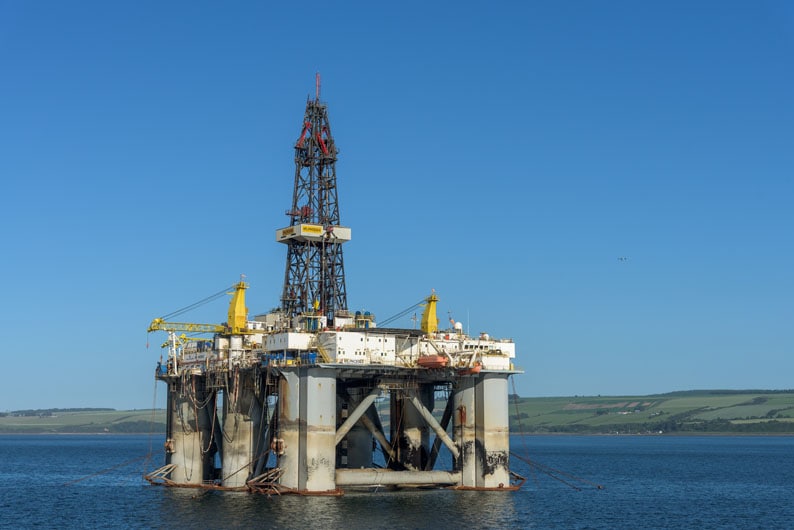
Working offshore does not necessarily mean becoming a drilling rig worker or commercial diver.
Another career involves operating and maintaining remotely operated underwater vehicles.
These machines, commonly called ROVs, are used to inspect underwater equipment, support subsea construction, and perform specialized offshore tasks.
ROVs may work around pipelines, subsea production systems, offshore drilling installations, and other underwater structures.
For people who enjoy electronics, mechanical equipment, robotics, and troubleshooting, this can be an interesting career.
However, becoming an offshore ROV pilot is not simply about learning to operate a joystick.
Professional ROV work requires technical knowledge and the ability to maintain complicated underwater equipment.
Some employers also expect recognized training and offshore experience.
Here is how to enter the profession and what to expect.
What Is an ROV Pilot Technician?
ROV stands for Remotely Operated Vehicle.
An offshore ROV is an underwater machine controlled by personnel working from a surface location.
The vehicle may have cameras, lights, sensors, manipulators, and specialized tools.
It is connected to the surface through an appropriate communication and power system.
ROVs are used for activities such as visual inspections, subsea surveys, equipment observation, construction support, and certain intervention tasks.
A pilot technician operates the vehicle and helps maintain the equipment.
This distinction is important.
Many professional ROV personnel spend significant time inspecting, testing, maintaining, and troubleshooting the system.
Being skilled at controlling the vehicle is only part of the job.
What Does an ROV Pilot Do During a Typical Shift?
A technician may begin by reviewing the planned operation and equipment status.
The team checks whether the ROV and associated systems are ready for deployment.
During the operation, the pilot controls the vehicle using cameras, navigation information, and other available measurements.
The ROV may inspect subsea structures, observe construction activities, or operate approved tooling.
Other personnel support the mission and monitor equipment.
After recovery, the team may perform inspections, maintenance, troubleshooting, and documentation.
Operations can take place during day or night shifts.
The work requires careful communication and attention because the vehicle may operate close to expensive subsea infrastructure.
What Equipment Does an ROV Technician Maintain?
A professional ROV system contains several technical components.
These may include electric motors, hydraulic systems, cameras, lights, electronics, communication equipment, sensors, and subsea connectors.
Larger systems may use hydraulic manipulators and specialized intervention tooling.
ROV technicians need to understand how the equipment interacts.
For example, an electrical fault may affect a vehicle thruster.
A damaged cable or connector may interrupt communication.
A hydraulic problem may prevent a manipulator from functioning correctly.
Technicians must diagnose issues using approved procedures and appropriate test equipment.
This is why electrical, electronic, mechanical, and hydraulic knowledge is valuable.
Do You Need a Degree to Become an ROV Pilot?
Not always.
However, many employers expect a relevant technical background.
Suitable experience may include electrical or electronic engineering technology, mechanical maintenance, industrial automation, mechatronics, or related technical disciplines.
Some employers accept combinations of practical experience and training.
Military personnel with suitable electronics, mechanical, or technical maintenance experience may also have relevant backgrounds.
A four year university degree is not universally mandatory.
But having no technical qualifications can make entry difficult.
ROV employers need people capable of understanding and maintaining equipment in demanding offshore conditions.
What Is IMCA and Why Does It Matter?
IMCA stands for International Marine Contractors Association.
It publishes guidance relating to offshore ROV operations, personnel competence, and training.
IMCA has introduced an approval scheme for ROV introductory training courses.
Its requirements for approved introductory courses are described in document IMCA R 002.
The current published revision from August 2025 addresses course approval, training content, admission requirements, assessment, and associated procedures.
This is important because some training businesses advertise ROV certificates without clearly explaining what their courses actually qualify students to do.
Before paying for training, verify whether the course holds the relevant IMCA approval and whether it meets the expectations of the employers you want to join.
An introductory course is not a guarantee of an offshore job.
How to Become an ROV Pilot Technician
Step 1: Develop Technical Skills
If you do not have a technical background, begin by investigating suitable education.
Electrical, electronics, mechanical, hydraulics, and automation training can provide useful preparation.
A recognized technical diploma, apprenticeship, or relevant industrial maintenance experience may be valuable.
The strongest starting point is usually genuine technical competence rather than buying an expensive specialist course before understanding the occupation.
Step 2: Investigate Approved ROV Training
Review introductory training providers and their current accreditation status.
Learn what the course includes.
Training may involve ROV systems, vehicle control, equipment inspection, basic troubleshooting, and operational principles.
Ask about practical equipment access and assessment.
Do not assume that completing a short simulator course makes you fully qualified to work independently offshore.
Step 3: Apply for Trainee Positions
Search for titles such as trainee ROV pilot technician, junior ROV technician, ROV technician trainee, and offshore robotics technician.
Some companies recruit graduates with relevant technical backgrounds.
Others may prefer applicants who already have industrial maintenance experience.
You should also investigate ROV maintenance or workshop positions.
Working with equipment in a suitable technical role can help you develop familiarity before taking on offshore responsibilities.
Step 4: Obtain Required Offshore Qualifications
Offshore employers may require an appropriate medical certificate, survival training, and other safety qualifications.
Requirements depend on the region and type of assignment.
For example, a North Sea role may have different training requirements from a position in the Gulf of Mexico.
Do not buy every offshore certificate before obtaining a realistic employment opportunity.
Confirm the employer’s requirements first.
Step 5: Build Documented Competence
ROV career progression involves practical experience and competency assessment.
Employers may require personnel to maintain records of relevant work and demonstrated abilities.
The applicable competence scheme and progression requirements depend on the employer and industry arrangements.
Accurate records of experience are important.
Do not exaggerate offshore days, piloting hours, or technical responsibilities.
Which Companies Employ Offshore ROV Technicians?
ROV services are provided by specialized offshore technology and subsea contractors.
Companies worth researching include Oceaneering and other established ROV and subsea service providers.
Not every company recruits beginners at every location.
For example, Oceaneering describes ROV teams that include supervisory, mechanical, and electrical technical responsibilities.
Its operations involve subsea work in offshore energy environments.
When searching for vacancies, use the company’s official careers page and review regional eligibility requirements.
A trainee opportunity in one country does not necessarily accept applicants from every other country.
How Much Do Offshore ROV Pilots Earn?
Compensation varies significantly.
A trainee may earn less than an experienced pilot technician.
Senior technicians, supervisors, and specialists can have different compensation arrangements.
Some positions are salaried.
Others use offshore daily rates or rotational pay arrangements.
Employers may provide transportation, accommodation, and meals during offshore assignments.
However, there is no single reliable government wage category covering every offshore ROV pilot technician.
Be cautious of websites advertising one universal ROV pilot salary.
Actual earnings depend on experience, employer, region, technical responsibilities, and time spent working.
Before accepting an offer, ask about paid offshore days, training pay, travel, overtime, allowances, and periods between assignments.
What Is the Difference Between an ROV Pilot and a Commercial Diver?
A commercial diver works underwater using specialized diving equipment.
An ROV pilot remains at the surface while controlling an underwater vehicle.
The occupations have different training, medical, safety, and operating requirements.
Commercial diving qualifications are not automatically required for ROV pilot work.
Likewise, an ROV certificate does not qualify someone as a commercial diver.
Some people have experience in both fields, but they are separate career paths.
Are ROV Jobs Only Available in Oil and Gas?
No.
ROVs are also used in offshore wind, marine research, subsea inspection, scientific exploration, and other underwater activities.
The equipment and qualifications differ between applications.
Working with a small inspection vehicle does not automatically qualify someone to operate a large offshore work class ROV.
However, developing recognized electrical, electronics, mechanical, and robotics skills can provide opportunities in several sectors.
Is Becoming an ROV Pilot Worth It?
It can be an attractive career if you enjoy technology and offshore work.
You may work with sophisticated equipment and develop specialized technical experience.
But the job also involves extended periods away from home, demanding shifts, and equipment responsibilities.
The availability of offshore assignments can depend on project activity.
You may also need to invest in technical education and professional development.
If you have no technical background, investigate whether an electrical, electronics, or mechanical qualification would provide broader career opportunities before spending heavily on ROV training.
Final Thoughts: How to Get Your First ROV Job
Becoming an offshore ROV pilot technician requires more than learning to control an underwater vehicle.
The profession combines piloting with technical equipment maintenance.
Employers value people who understand electronics, mechanical systems, hydraulics, and troubleshooting.
The most practical path is to develop a suitable technical background, investigate legitimate introductory training, and apply for appropriate trainee positions.
Confirm offshore medical and safety requirements when they become relevant.
Build documented experience.
And pursue additional responsibility as your competence develops.
An ROV career can provide opportunities in offshore oil and gas and other marine industries.
But the best investment is becoming a capable technician, not simply purchasing a certificate that promises an offshore job.