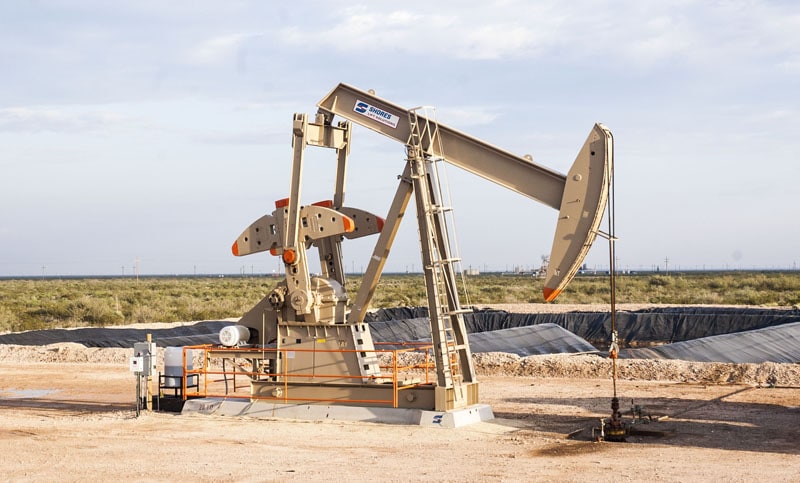
If you are looking for an oilfield job in the United States, location can make a major difference.
You might hear that Texas has the most opportunities.
Someone else may recommend moving to Midland.
Another worker might suggest looking for rotational jobs in North Dakota.
All three can provide employment in oil and gas.
But they serve different parts of the industry and offer different working conditions.
Houston has a large concentration of energy company offices, engineering firms, equipment manufacturers, refineries, and service companies.
Midland is closely connected to drilling, completions, and production activity in the Permian Basin.
Western North Dakota has opportunities associated with the Bakken petroleum region.
The best location depends on the type of job you want, whether you have experience, and whether you are willing to relocate or work rotations.
Before choosing where to apply, it helps to understand how the local oil and gas industries differ.
1. Houston, Texas: Best for a Broad Range of Energy Careers
Houston is one of the world’s major energy business centres.
It has a large concentration of oil and gas producers, service companies, engineering firms, equipment manufacturers, and supporting businesses.
The region also has substantial refining, petrochemical, pipeline, and industrial activity.
This creates opportunities that extend beyond drilling and completions.
Potential positions include field engineer, mechanical technician, refinery operator, instrumentation technician, drilling support specialist, supply chain coordinator, equipment manufacturing technician, and many other occupations.
Is Houston Good for Entry Level Oilfield Jobs?
Yes, but the type of job matters.
Houston has oilfield service facilities, equipment yards, manufacturing operations, and technical training locations.
Some employers recruit operator assistants and field trainees.
However, an applicant should not assume that every job advertised in Houston involves working at a nearby wellsite.
A company may hire and train workers in Houston before assigning them to projects in other states or offshore locations.
Read the actual reporting and travel requirements.
What Does the Employment Data Show?
The U.S. Bureau of Labor Statistics estimated that the Houston metropolitan area had approximately 5,850 oil and gas roustabout jobs and 5,400 oil and gas service unit operator jobs in May 2025.
The same dataset reported approximately 2,100 rotary drill operator jobs.
These figures demonstrate substantial oilfield employment in the broader Houston region.
However, the figures do not measure how many positions are vacant today.
They also cover a large metropolitan area extending well beyond the city itself.
Who Should Consider Houston?
Houston can be attractive to workers who want access to different parts of the energy industry.
It may be especially suitable for people interested in engineering, industrial maintenance, refinery operations, manufacturing, technical services, and eventual office careers.
If one part of oil and gas slows down, the region also has employers in other industries.
However, traffic, commuting distances, and the cost of living in particular neighbourhoods should be considered.
2. Midland, Texas: Best for Direct Permian Basin Field Work
Midland is closely associated with the Permian Basin.
The surrounding region includes extensive drilling, well completion, and production activity.
Odessa, Pecos, and other West Texas communities also support oilfield operations.
This creates demand for drilling crews, pressure pumping personnel, wireline operators, coiled tubing workers, equipment mechanics, truck drivers, and production employees.
For someone who specifically wants to work on active wellsites, Midland can be a logical place to investigate.
What Makes Midland Different From Houston?
The economy has a particularly strong connection to oilfield activity.
Many businesses support drilling, completions, production, and equipment services.
You may find companies operating equipment yards, maintenance shops, trucking operations, and field service bases.
However, this specialization creates economic exposure.
When producers reduce spending, certain local service businesses can experience a significant decline in work.
Housing and employment conditions can also change as the industry expands or contracts.
What Does the Employment Data Show?
The Bureau of Labor Statistics reported that construction and extraction occupations represented approximately 14.8 percent of employment in the Midland metropolitan area in May 2025.
The national share was approximately 4.1 percent.
That demonstrates how concentrated Midland’s employment is in these occupations.
The same report estimated approximately 3,940 oil and gas roustabout jobs and 3,460 oil and gas service unit operator jobs in the Midland metropolitan area.
It reported an average hourly wage of $22.84 for oil and gas roustabouts and $38.81 for rotary drill operators.
These are historical occupational averages, not guaranteed wages for current job openings.
Who Should Consider Midland?
Midland is worth investigating if you want field experience in drilling, completions, production, or oilfield service operations.
It can also suit workers with commercial driving qualifications or mechanical experience.
However, do not move simply because someone says everyone in Midland is hiring.
Research current vacancies, required qualifications, housing costs, and transportation arrangements before relocating.
3. North Dakota: Best for Workers Interested in the Bakken Region
Western North Dakota has a substantial oil and gas industry associated with the Bakken formation.
Important employment communities include Williston, Watford City, and Dickinson.
The region has drilling, completions, production, transportation, and oilfield service activity.
Some jobs involve remote locations and demanding working conditions.
North Dakota winters are an important consideration.
Extremely cold weather can affect travel, equipment, and field operations.
Workers need appropriate clothing, training, and preparation for the conditions.
What Oilfield Jobs Are Available?
Potential opportunities include drilling rig crew, service unit operator, production operator, equipment mechanic, CDL driver, well servicing employee, and other field service positions.
The availability of these jobs changes with operator spending and oilfield activity.
Some employers recruit workers from outside North Dakota.
Others require local residence or reliable transportation to a particular reporting point.
How Much Do North Dakota Oilfield Workers Earn?
Compensation varies by occupation and experience.
For a historical reference, Bureau of Labor Statistics estimates from May 2023 reported an average annual wage of approximately $65,860 for oil and gas service unit operators in North Dakota.
The same dataset reported approximately $56,670 for oil and gas roustabouts.
These figures are older benchmarks and should not be treated as current job offers.
Review actual vacancies and newer regional wage data when comparing opportunities.
Who Should Consider North Dakota?
North Dakota can suit workers interested in field operations who are comfortable with remote locations and severe winter conditions.
It may also appeal to workers who already have commercial driving, mechanical, or drilling experience.
However, it is important to understand the employer’s accommodation and travel arrangements.
Not every North Dakota oilfield job provides housing.
Which Location Is Best for Someone With No Oilfield Experience?
The answer depends on your existing background.
If you have a mechanical, electrical, engineering, or manufacturing background, Houston offers a wide range of potential entry points.
If you want to begin in field operations, Midland and the surrounding Permian Basin may provide relevant opportunities.
Western North Dakota can also have entry level field positions, but employers may have specific driving, experience, and location requirements.
Do not assume that moving closer to drilling activity guarantees employment.
A candidate with no commercial driving qualification may find some service operator positions unavailable.
A candidate with no mechanical or technical experience may not qualify for specialized equipment work.
Look for genuine trainee and beginner positions.
Which Location Has the Highest Oilfield Pay?
There is no reliable universal winner.
Some experienced field specialists in West Texas earn substantial compensation.
Houston has highly paid engineering and technical positions.
North Dakota oilfield employees may receive attractive compensation for demanding field assignments.
However, wages differ between occupations.
A field engineer in Houston should not be compared directly with a roustabout in Midland.
Likewise, a North Dakota worker earning substantial overtime may have different annual earnings from someone working a regular schedule.
Compare actual job offers based on base pay, overtime, bonuses, travel, housing expenses, and expected working hours.
Which Location Offers Better Long Term Career Opportunities?
Houston has a broader range of energy related occupations.
That can provide advantages for someone interested in moving between technical, industrial, and office positions.
Midland offers strong exposure to Permian Basin field operations.
Experience there may be valuable for developing specialized drilling, completion, and production skills.
North Dakota provides opportunities in a major producing region, including remote field work and established production operations.
However, the available career pathways depend on your employer and qualifications.
The best long term location is the one where you can develop skills that support your goals.
Should You Move Before Getting an Oilfield Job?
In most circumstances, research employment before relocating.
Moving creates expenses.
You may need money for rent, deposits, transportation, insurance, and daily living costs.
There is no guarantee that the companies you want to work for are hiring.
Some field service companies hire employees who live elsewhere and report to designated locations.
Others require local residence.
Before moving, determine which employers are recruiting, whether you qualify, and whether you can meet their reporting requirements.
Whenever possible, arrange interviews or secure an offer before making an expensive relocation.
Final Verdict: Houston, Midland or North Dakota?
Houston offers a broad range of careers connected to energy, engineering, refining, equipment manufacturing, and technical services.
Midland provides direct access to a major centre of drilling, completions, and production activity in the Permian Basin.
Western North Dakota offers opportunities in the Bakken region, particularly for workers interested in field operations and prepared for the local conditions.
If you want an engineering or technical office career, Houston may provide more suitable employers.
If you want direct drilling and completion experience, Midland deserves serious consideration.
If you are comfortable with remote field work and want to investigate Bakken opportunities, North Dakota may be attractive.
But location alone does not determine whether you will get hired.
Your qualifications, experience, licence requirements, and willingness to meet the schedule are often more important.
Choose the location based on actual vacancies and the type of career you want, not simply the reputation of an oilfield town.